

 Passport






SEED: The Untold Story - Botanical Explorer Joe - Clip
04/16/17 | 2m 3s | Rating: NR
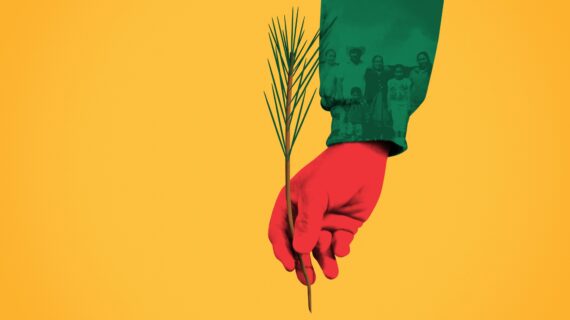
In this excerpt from the Independent Lens film SEED: The Untold Story, we meet seed-obsessed botanical explorer Joseph Simcox, who, with his brother Patrick, shows us rare and precious seeds they've collected from all over. From Bolivia to Tanzania, Peru to West Virginia to Vietnam, Simcox has collected thousands and thousands of seeds, to bring them to as large a swath of humanity as possible.


Related Stories from PBS Wisconsin's Blog



Donate to sign up. Activate and sign in to Passport. It's that easy to help PBS Wisconsin serve your community through media that educates, inspires, and entertains.
Need some help? Go to FAQ or visit PBS Passport Help
Need help accessing PBS Wisconsin anywhere?

Visit our Live TV Access Guide
Online Access | Platform & Device Access | Cable or Satellite Access | Over-The-Air Access
Visit Access Guide
Online Access | Platform & Device Access | Cable or Satellite Access | Over-The-Air Access
Visit Access Guide
Need help accessing PBS Wisconsin anywhere?
Visit Our
Live TV Access Guide
Online AccessPlatform & Device Access
Cable or Satellite Access
Over-The-Air Access
Visit Access Guide




Follow Us