

 Passport








Wild Rice
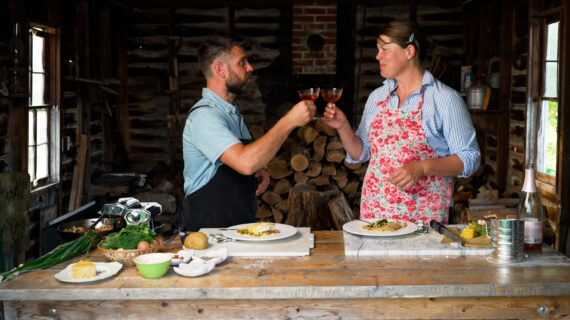
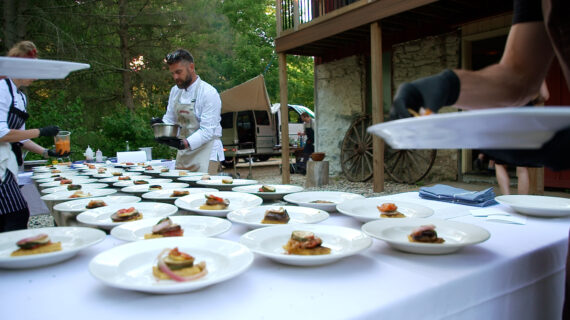
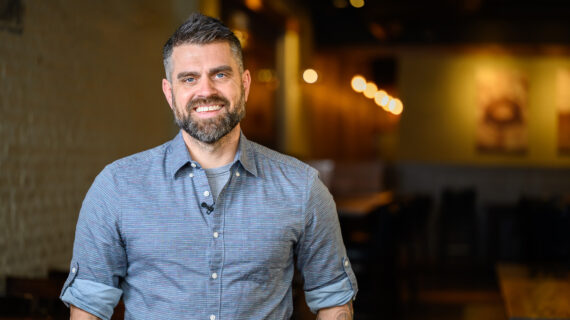
>> Welcome to "Wisconsin Foodie." The picturesque scene over my shoulder is Bayfield Harbor, one of our state's finest. >> This is a shark that we caught earlier today. >> Now we're cooking... >> It is rare for a small town of 611 to remain austere, sophisticated and still wild. For this episode of "Wisconsin Foodie," we visit Mary Rice, art patron, international resident and Bayfield restaurateur, as she invites us into her home. Just a short drive from there, we visit her culinary heart and soul, Wild Rice, and her right and left hands, James Beard Nominee Chef Jim Webster, and maitre d' Marty Anderson. Later, Bacchus Chef de Cuisine, Andrew Ruiz shares his techniques on fresh pasta and ravioli. It is a great honor for us at "Wisconsin Foodie" to come and meet with Mary and her team at Wild Rice. There's basically no way you could call it a legitimate trip to Bayfield as a foodie, without a visit to the matron and the queen of the culinary scene here, Mary Rice. So were here for the much lauded home of Mary Rice, the dion of the Bayfield restaurant scene. Mary, thanks for having us. >> Great, not a problem. We're glad you're here. >> It's nice to be hosted by someone of your acclaim in the foodie world. >> Oh, for heaven sakes! >> Tell me how you first got the culinary bug. >> My mother, when she got married, didn't know how to cook. And over a little bit of time, she started experimenting with food. And besides all that, it was about the time when "Gourmet" was published for the first time. And so, as she was learning, the magazines were very impressive. I read every one of them, just because I was watching her. >> Was your culinary explosion in your own life timed with what was happening in the country, with Julia Child and Jacques Pepin, and that whole scene? >> Absolutely, but I pre-date Jacques Pepin by quite a bit. But I was just enthralled with Julia Child. >> So this is where many of the master concoctions come from. >> Well, maybe. >> This is an amazing kitchen, Mary. Give me the Mary Rice food reduction of your culinary aesthetic for the restaurant. >> Eegads! Real tasty. Elegant. Simple. I don't know. All of those things in the right combination, at the right time. >> Tell me about this legendary Spam dinner party you had. >> A long time ago, on Spam's 75th-- I think it was 15 years ago, or more, maybe even 20. I had my first black tie dinner. >> Spam's anniversary. >> Yep, didn't know what black tie was. And everybody knocks Spam, and I love Spam. So, what we decided to do, I made them all get all dressed up. And they didn't know they were going to have Spam. It was a complete surprise. And I just invited all kinds of people to this, to dinner. >> Nine courses. >> Seven courses of Spam. >> And no one knew they were eating Spam. >> Not until about halfway through. The biggest thing we were trying to do was fool Jim Webster. ( both laugh ) >> Chef Webster. >> And I did! >> So tell me a touch more about this art. What are we going to be seeing when we go on a tour? >> I'm not much into old painting. I'm very interested in the creative urges that bring people to what they're doing now. And so, as we've gone around, we would go looking in various places, and have found a lot of really interesting things. >> So this is one of yours? >> Yep. I was sitting on the floating front porch of the Gritti Palace Hotel, and looking across at that building. And it was fascinating. >> So, you travel, you eat, you collect the art, and you bring it back to Bayfield. >> You betcha. >> For it to marinate here with the creative culture. >> Absolutely. >> And then you give it back to the world through your restaurant. >> Well, that's a very lovely way of putting it. ( both laugh ) I'd say we're just having a whole lot of fun doing a whole lot of crazy things. >> You're a pretty lovely person. >> Well, whatever. We can quit now. ( laughs ) >> Mary, you're a gem. Thank you for the fantastic tour, and the great culinary additions you've given to Bayfield. I can't wait to go to Wild Rice. >> I think you'll have a good time. Besides, I'm coming out to check up on you. >> All right. >> I may have to look over your shoulder and make sure you're doing it right. >> I promise to behave. >> Oh, no! ( both laugh ) >> Good-bye! >> Bye. So we're here at one of the best and brightest northern Wisconsin foodie destinations, Wild Rice. Maitre d' Randy Anderson and acclaimed chef Jim Webster, will be giving me a tour and preparing one of their signature dishes. Randy Anderson. >> Yes? >> Kyle Cerek. >> Good to meet you. >> So, you're sort of the keeper of the house, that is all things Wild Rice. >> Absolutely. I have the title of "front of the house guy." And for the lack of a better term, and it's kind of umbrella-ish, the whole thing. >> Give me a tour of this exquisite restaurant. Absolutely. I'd be happy to. We got this land from Mary Rice's daughter. And we bought 20 acres from them, to build the restaurant. The architect is David Salmela. He's out of Duluth. He's a second generation Finlander, so you certainly are getting a lot of that Scandinavian influence, with quite a few modern touches. It certainly is an uncluttered kind of space. >> It's minimalist. >> Yeah. It feels really comfortable. And Mary Rice did these paintings. >> Oh, no kidding? >> Yeah. And on both gable ends, we have some of her work. Mary is a great lady, a very creative, intuitive woman. I've worked for her for some 28 years. When she's here, there's a special buzz in the room. >> You're really just sort of floating over the lake when you're dining here. >> Yeah, and this is a particularly nice day. We chose not to clear cut. But we left quite a few trees, so you'd have the green and then the intense blue. >> So that is the most unusual wine cellar I've ever seen. >> Yeah, it really is. And it was kind of the brainchild of the chef, Jim Webster. He knew that we wanted to have a big wine selection. And it's, why hide it, you know? It's so beautiful, just to look at the bottles. >> Would you give a foodie an inside look? >> Absolutely. Come on in. >> Randy, this is amazing. I mean, you have a couple three bottles here. >> Yeah, there's a few bottles here. We have our French wines up on top. Spanish and then some Portuguese. And down in here, we have Pinot Noirs, and a lot of zinfandels on this side. >> I think if I worked here, I'd probably just play all day in here. >> Yeah, it's a great place to come in. >> All right, good. Well, let's continue with the tour. >> All right. >> Chef Webster, Kyle. >> How are you? >> Nice. Thanks for having us. >> No problem. >> So you're the engine of the kitchen of Wild Rice. >> I suppose you could say that. >> This is, I mean, it's an amazing restaurant. But this is probably the nicest kitchen I've been in. >> Wow, well thanks. We love working here. It's a fantastic place. I mean, so many are dark and a little cramped. And this is great architecture in a kitchen, which you don't usually see. And there's sunlight from four sides. >> Wow. >> Which is very unusual. >> So you had a big hand in designing this. >> Right. Basically, the architect just gave us a large rectangular space to work with. And I got the chance of a lifetime to fill it in with equipment. >> Tell me the core of what it means to be a Wild Rice dish, the Wild Rice cuisine. >> First of all, we search for the best ingredients we can. I suppose that sounds clich, but make an emphasis on local products as much as we can. It's not always easy around here, up in the great north. >> And do you guys lean on Lake Superior and those resources? >> Oh, that goes without saying. The white fish and the trout are our staples. >> Right. >> Randy gave me the silver dollar architecture and grounds tour. But to be honest, I really came here for the food. >> Thanks. You think you can set a guy up? >> I think I can. Do you like ravioli? >> I love ravioli. >> All right, first thing, we've got a little slab of foie gras here. About an ounce. Put a little salt and pepper on it. Let the pan heat up for a couple minutes here, or a minute. So, this is ready. A non-stick pan, you don't really need any oil or butter, or anything like that. We're just going to sear it. >> Well, the foie gras doesn't have any natural oils in it, whatsoever. ( both laugh ) >> Oh, no! Not at all! >> No. Basically, it's like cooking butter. A really tasty, yummy flavored butter. >> And you want that pan quite hot. >> The scent already, I mean, how long has that been in there, 20 seconds? >> Yeah. >> It's amazing. There's nothing like that smell, either. >> Right. Once you get hooked on it. >> Yeah. >> Now, we're going to cut this into three pieces. Okay, now, this is the carmelized onions. What I do here, is we're going to make three ravioli today. A little bit of that. >> This is quintessential fresh ravioli. It's not being pressed into a form. You're just going to cut it and do it yourself, essentially. >> Right. >> With foie gras. >> We're probably doing it a little less than orthodox here. >> I think we're safe. We're up in the northwoods. >> I'll just cut this. Cut that. >> These are three little mountains of joy, culinary joy. >> So then we do this. >> Wow, isn't that just? >> That seals it. Okay, and then we'll use this. >> That just cuts out the shape? >> Right. Okay, so there we have our ravioli. We'll go around the edge. Make sure they're crimped. Make sure they're tight, so they don't leak. We'll drop them into this water. >> Simmering? >> Right, simmering. We're just going to take a little bit of this micro-basil for the dish. Put that there. >> So how long will these simmer? >> About two to three minutes. They should be done. So, we'll pull these out. Okay, so we have our three ravioli in the dish. I'm going to take this parmesan cheese. And this is crme fraiche that we make here. It's really simple. It's just two tablespoons of buttermilk mixed with a cup of cream. >> So, being Wisconsin dairy, it's probably the best crme fraiche in the world. >> Absolutely, it is. Then we put a little of that on the top of the ravioli. >> A dollop. >> And we have basil oil here. We'll put a little of this basil oil here. >> Jim, that looks fantastic. >> We'll put a little-- Now, the way we serve this in the restaurant, the basil leaves go there. This goes out to the customer like this. And the waiter puts the broth on it out at the table. >> That's great presentation. The smell of that broth is amazing, too. It's incredibly poignant. >> There we go. So, that's the dish. >> Jim, the scents in that dish are killing me. >> I don't want you to die on my watch, so why don't you take a seat out in the dining room, and we'll bring it out to you. >> That's why I came. >> All right, great. >> Thank you. This is quintessential Wild Rice. I'm sitting in an austere piece of architecture, floating above the northwoods, with Lake Superior just 100 yards away. The dish is a perfect combination of simple and sophisticated. Foie gras, which is a typical French delicacy, prepared in a broth that's been boiled down from the chicken stock of Wisconsin regional poultry. It's been invigorated by some crme fraiche, which is also a local Wisconsin resource. And the basil, which brings it right into the end of our season here, summer in Wisconsin. I cannot wait. It's basically beyond good. It's a perfect balance. The chicken broth is champagne in texture. The crme fraiche gives it a little bit of heartiness. To be honest, foie gras just can't be beat. The really nice touch is the small, fresh basil leaves along with the basil oil. It's the unexpected bump that makes good cuisine that much better. It's a great dish. It's a great setting. >> I'm Jerry Heimerl, a member of the Saxon Homestead Farm and Saxon Homestead Creamery. These are our girls, all 450 of them. The philosophy at Saxon has been to try to treat the soil as well as we can. And there's a term the French have, -- and it really is a reflection of what's from this earth. I've always had this sense that our milk is of high quality. We've always taken a lot of pride in our milk production. One way to get that to the public is through a raw milk cheese. We have five cheeses that we make right now, four of which are of the cow's milk. Big Eds is our biggest seller at this time. It's fashioned after a Dutch gouda and a French alpine cheese. The sunlight, the grass, the cows, the milk, the cheese. It's just one of nature's most perfect foods, in my opinion. >> Mmm, nuts. They're crunchy and sweet. We all love them. But which ones should we choose? There's unsalted or salted. Macadamia nuts, almonds, walnuts, peanuts, soy nuts. First of all, get that salt out of here. We don't need the extra salt in our diet. The two nuts I think are best are almonds and walnuts. They're both high in protein, which will help us recover after our workout. Plus, they're somewhat low in fat. But they're the good fats, the fats we want, Omega-3s, which will help us lower fat content in our body, reduce cholesterol. And for you guys out there, my nutritionist even told me that they keep the testosterone levels in our body normal throughout the day, which will help us keep that weight off that we don't want. >>
All
I'm Garrett Weber-Gale, and this is my Athletic Foodie tip of the week. >> Today, we're in the kitchen with Andrew Ruiz, of Bacchus, a Bartolotta restaurant. Andrew and I are going to prepare fresh ravioli, making a fresh pasta dough. Andrew, welcome to "Wisconsin Foodie." >> Thanks. >> Andrew, tell me a little bit about why we're going to make fresh pasta dough, maybe as opposed to using a dry dough. >> I feel that the quality of fresh pasta in the market is inferior to making it at home. >> It's always better making it yourself from scratch. >> Exactly. And making it at home is definitely not as hard as you would think it would be. >> What's our first step today? >> The first step is going to be basically just mixing all of
these ingredients together
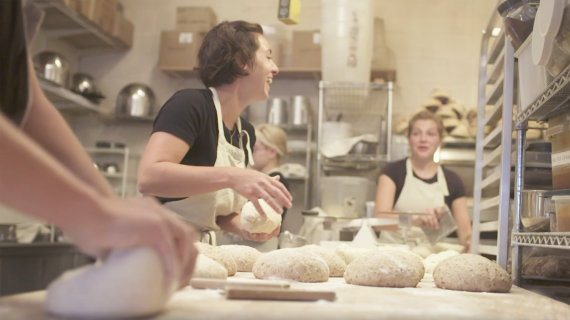
1-3/4 cups all-purpose flour 6 egg yolks 1 whole egg 1 tablespoon olive oil 1-1/2 teaspoons milk pinch of salt. The next step, all in the bowl together, raise it up. And then we're going to want to start off very gently. >> What is the amount of time that it takes to mix this dough? >> About three to four minutes. You don't have to work it too hard, but don't be afraid of overworking it, either. >> It's really a gradual thing. You start off very slow. >> Right, and I actually increase the tempo a little bit here, just to kind of work everything together. And then, once I have everything incorporated, I'll slow it down, and just kind of let it knead in there. It's important to notice, at what point you are going to need to add a little bit more liquid. >> I can actually already see, just by that little bit of liquid, we're seeing that this dough is going to come together right away. >> Right. So now, it's working itself into a ball, as you can see. >> Perfect. >> And we want that to knead, just so it's all incorporated together. So, the dough is where I want it to be at this stage. So, we bring it out. Take the hook off. So, we have it on the counter. I'm going to work it just a little bit, just to kind of feel where it's at. I'm going to take this dough, and I'm going to cut it in half. Work that into a ball. And I still want to cut this in half again. This is one-quarter of the original recipe. >> Got it. >> I'm going to actually add a little bit of flour to it, just to help me work here. Then, I have a rolling pin. I'm going to roll it out slightly. Now we have the dough, which is, at this point. >> A quarter-of-an-inch thick? >> A quarter- to a third-of-an-inch thick. This machine has several different settings. It goes all the way from zero to six. Zero being the widest it's going to go. I'm going to go slowly, but consistently through at zero. >> Typically, what I do with my pasta at home, and I don't know how yours is. I fold it in half and then run it through again. >> Exactly. So then, one by one, I'm going to go down the line. >> From zero, to one, and then we're going to keep going higher up in the number. And the higher the number, the thinner the dough. >> Beautiful. >> Let me know when I can grab it. >> This is fairly thick, still. >> It's beautiful. The texture and the color are just beautiful. I think it gets some of that color from the higher ratio of egg yolks. >> Fold it up, so it's easier access to my machine. Here we go. This is going to be the final pass. >> Beautiful. >> This is fairly transparent. Exactly where we want it to be. We're going to quickly cut this into two pieces. Now I'm just kind of trimming off the rougher edges, because I want an even surface to work with, once we get into the next step, which will be actually making the ravioli. All right, so why don't you go ahead and hand me the ingredients I need over there. We'll start with the sheep's milk ricotta. That is from Hidden Springs, here in Wisconsin. Then I have a little bit of parmigiano reggiano that I grated up. Some chives. Some basil. And some parsley. So, just real simple stuff. We're going to incorporate all this, work it together. You don't want it to be too wet. >> Okay. >> Because you want a nice, dry filling. Now we're going to set this off to the side. Get back to our pasta here. >> All right. >> We have two sheets, as you see. One is slightly larger. I'm going to start with the smaller one. I'm going to just make nice little mounds. What I'm going to do, is I'm going to lay out my filling on this half, and then we're going to place this half on top of it, and then seal it. So, we have this ready to go. >> Now, when we apply the water, are we going to use our fingers? >> Yes, we're just going to use our fingers. You can use a pastry brush, if that works for you. >> I was just going to say, if you have a pastry brush at home, go ahead. But you have to control how much. We don't want too much water. >> You don't want it to be sopping wet, but you don't want it to be too dry. >> It won't hold. >> Exactly. And it's very important for it to hold, especially all around the edges. I'm going to take this piece here, lay it on top, gently. And then, what I want to do, I'm forming them, but I'm also pushing out the air pockets. Because once you cook them, if you have air in there, it'll cause them to explode. So I have this nice and sealed. And I have a pasta cutter, dual. >> I like that, two sides. >> So this one will give you straight cuts. This one will give you nice little fluted cuts. >> Let's do the fluted one. I like that one. >> Just go along the outside edge. You want to be cutting through the seal. You don't want to be cutting too close, so that you're going to expose some air to it. Here we have all our little homemade raviolis. And the next step will be to cook them. For sure, you want to always season the water that you're going to be cooking pasta in. I have my little raviolis. These are going to cook quickly, especially because they are so fresh. >> What's quickly, two minutes? >> Probably less than a minute. >> Wow, that is fast. >> It is. >> Tell me a little bit about the sauce. >> The sauce is a simple, heirloom tomato sauce, that we smoked the tomatoes and cooked them down, and add a little bit of balsamic vinegar. Very simple. Very clean. So this pasta, at this point, is pretty much done. >> I wish you could smell this smell of the smokiness and the balsamic together. >> They're just wonderful. And then, we're going to plate them up here. I love that look. >> You are going to let me taste it, right? >> Oh, yes. >> Always finish with a little of that beautiful extra virgin olive oil. >> Some olive oil. And we have some leftover herbs from the filling. >> Chopped chives. This is beautiful. Wow. You know, he said it was going to be perfect. Andrew, thank you so much for joining me in the kitchen today. >> Thanks for having me. >> If you want to know a little bit more about this recipe,
go to
wisconsinfoodie.com Or, I know the next time I go to Bacchus, you'll be happy to make some fresh ravioli for me. Let's dig in and eat some more.
Search Episodes
Related Stories from PBS Wisconsin's Blog





Donate to sign up. Activate and sign in to Passport. It's that easy to help PBS Wisconsin serve your community through media that educates, inspires, and entertains.
Make your membership gift today
Only for new users: Activate Passport using your code or email address
Already a member?
Look up my account
Need some help? Go to FAQ or visit PBS Passport Help
Need help accessing PBS Wisconsin anywhere?

Online Access | Platform & Device Access | Cable or Satellite Access | Over-The-Air Access
Visit Access Guide
Need help accessing PBS Wisconsin anywhere?
Visit Our
Live TV Access Guide
Online AccessPlatform & Device Access
Cable or Satellite Access
Over-The-Air Access
Visit Access Guide




Follow Us