

 Passport






Youth Development Is Community Development
11/11/15 | 58m 22s | Rating: TV-G
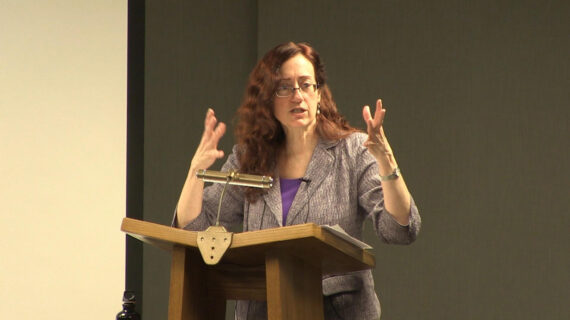
Matt Calvert, Specialist, Youth Development, UW-Extension, explores the advantages of encouraging young people to get involved in their towns and villages. Calvert presents a study of the school-aged youth in Florence, WI and how their involvement made a difference in their town.


Copy and Paste the Following Code to Embed this Video:
Youth Development Is Community Development
Good afternoon. My name's Matt Calvert, and I'm a professor of youth development with UW-Extension Cooperative Extension, and today I'm talking about youth development is community development, and I'm focusing on 10 years of extension youth work that I've been involved in to think about how when we are intentional our youth development efforts can grow communities. And I believe that UW-Extension and Extension nationally is in a position to make an enormous difference in the lives of communities and youth, but we need to be intentional and we need to communicate the value of our work to build communities to the public in both the youth development and community development fields. So one thing we're going to do today is try on one method of communicating and discovering our impact that we can do with communities. We'll be doing that a little bit together, and hopefully it helps us think about ways that extension can strengthen our work to build democracy and to build communities while we work with young people. And I just want to start out with a couple of grounding pieces that are pretty familiar to the folks in this room. Our work is generally rooted in what we call positive youth development, as opposed to prevention or as opposed to strictly educational programs. And in positive youth development, we work to create environments that give young people opportunities to experience attachments. So they belong to something. They may belong to a community 4-H club, they may belong to another program, but they may strengthen their attachment and belonging to their whole community. We also work toward independence, giving young people an opportunity to experience autonomy, self-direction, to see themselves in the future, and, in our context, to see themselves as a leader in the community. We work to build mastery so that young people are able to achieve in a lot of different opportunities. That can be through a whole wide array of project work we do or experiences that we offer in community leadership. And then the purpose of doing this, to a great extent, is to develop a sense of purpose and a sense of generosity and to help young people be contributing members of society, contributing family members, and contributing to their own personal lives. And so we're going to be exploring some practices today that connect youth development and community development, and they're rooted in a couple of other practices that I'll be talking about that aren't necessarily always familiar to the general public. One is that we work in youth/adult partnership, by which we mean that young people and adults are working together. They are collaborating. They are bringing the strong point, they're bringing the strengths from young people and strengths from adults to any situation, relying on each to be equal partners to the extent that we can. Then the second piece is that we really work on authentic and experiential learning situations. We don't tend to do artificial kind of environments. We really want young people to be experiencing real work, whether it's working on a project or working in a community setting, that this is the real deal and so it really has meaning. So, why do we want to link youth and community development? Why can't we just talk about youth development by itself? Well, one is that successful youth development efforts, especially if you think about young people moving from youth to adulthood, involves participating and contributing in a wider community. So if we think about what's the difference between being a young person and being an adult. When you're young, your primary context is your family, perhaps your school, other things very, very close to home. As you become an adult, you expand your sphere. As you age, you expand your sphere into adolescence and adulthood, and by the time you're an adult, we hope that you're fully participating in the community, that you're providing leadership, that you're a citizen ready to be a voter and everything else we ask for young people, for adults in our community. So, one of the things that separates youth from adulthood is community engagement. And so as we develop young people we want to make sure they are experiencing that opportunity to grow into being community involved and then become the kind of adults that we need. The second piece is that we live in a time in history where youth and adults are perhaps more isolated than they ever have been in the past. If you think about 150 to 200 years ago perhaps, a 20-year-old would be very, very unlikely to be in school, would probably have already started a family, would be contributing to an economy in a different way. They've probably have had years of apprenticeship working in some meaningful and productive capacity. Think about 20-year-olds today. Most of them are experiencing a period of extended adolescence. They're still in education. We're preparing them for something different, but their brains are in the same place, their needs are the same as they were 200 years ago, or 5,000 years ago for that matter. And so youth and adults tend to be more, young people tend to be in this extended adolescence, and you also think about the context that they're growing up in. Young people are in schools. They're in youth organizations that are largely separated from the world of adults. They're not working side by side productively, maybe aside from outside of their family. And so young people and adults are more isolated than ever. And this is something that I wrote about with some colleagues, Shep Zeldin and Linda Camino, a number of years ago in a social policy report, if you want to think more about the isolation of youth and adults. And when we ask young people what do they think about that, the search institute has identified 40 assets that young people, that communities can provide to young people in order to help them thrive. The two lowest assets, guess what they are? They are whether young people feel like they're valued by their communities, and whether they're given useful roles in their communities. And so, we've been looking at successful community change work across the nation and sustainable community development work, and we see examples everywhere where youth engagement and having young people involved in that process can really help move those efforts forward, and a lot of those examples are represented here in UW Extension and Cooperative Extension. So I think we have a lot of opportunities to learn from each other as we come together. So I want to just paint a picture of Florence, Wisconsin, a small community up on the border of the Upper Peninsula in Michigan, just as to think about an example of young people being involved in community development. And when I first joined UW Extension in 2004, it was a time of budget cuts in the public school system, and the Florence schools were on the edge of closing. To make matters worse, the Florence school is the only school district in the entire county, so young people, students would have had to been bused to neighboring counties quite a long distance, in some cases two hours away from their homes. And, also, if we think about what happens to a small community when it loses its school? How is it a different place? How does it feel different, what's that sense of identity? So the young people, of course, were concerned about this, as were other folks in the community, and they were trying to pass a bond levy which had failed twice, as I was told. And the young people were in a public meeting to discuss the future of their school, and people who were concerned about their tax burdens and were opposing the levy told the young people that they were really, it was too expensive to educate them, we really couldn't afford to have, they were really too expensive. They were implied that the community would be better off if it didn't have so many young people. And then, secondly, they accused the youth of being pawns of the teachers. That it was really the teachers who had set them up to come out and advocate for the school. And with Extension leadership bringing those young people together, they thought about how can we reframe that story. Not that we're in the business of telling people how to vote or anything like that, but there was, the young people felt like they weren't being appreciated. And so under the leadership of both youth development cand community development, people, colleagues in Florence County UW-Extension, they said young people need to be proving their value to the community. We need to find ways to demonstrate how young people are important to the community. So they got out and got engaged in a whole myriad of service activities and community contribution activities. They built a ramp on the house of someone who'd become disabled. They helped the community design a fishing pier so visitors to the community would have a place to fish at the lake. They worked to create welcome signs to the community. And the metal shop at the school created one for each of the seasons. So they hung a different metal sign up for winter, spring, summer, and fall to emphasize the sort of seasonal activities in the community. So the young people really did things that were extremely visible to the community and also brought them into contact with all kinds of adults and different projects in the community. And on the fourth vote, they finally passed their levy. That school is still open today, and we'll come back around to that story of Florence and how they've moved forward as we go through our story today. And this case study was also, there's more detail in a New Directions for Youth Development Issue, and that's referenced at the end of the presentation if people want to learn a little bit more. And you might wonder looking at the picture there, those are some young people and Extension colleagues standing in front of a messy looking sign. And what that is is a ripple effect map of their community efforts. This actually is kind of a model. This isn't the one they're standing in front of. But the idea is that it looks at the inner level, that red level, at what young people are directly doing, who's directly affected. The next level out, the blue level, thinks about who else benefits. So, who's indirectly benefited? So a visitor to the community might have benefited from the fishing pier, for example. And the third level out is taking a look at what systems are different in the community, and how are people working together at the community level differently. And around the outside are these seven words, and I'll talk about those. Those are the community capitals. So what we're going to do, what I'm going to attempt to do today is take what we've used in some really specific cases to help a group of young people and their adult partners think about their impact at the community level and use that as a way to think about Extension's work in doing community development with young people. So, we're going to try this on as a way to sort of think about Extension's role and youth's role in doing community development. So, first, let's talk about the community capitals that are around the outside. There are seven community capitals. Those are identified by Cornelia Flora and her colleagues. The first is natural capital, the environment, the natural resources that are available to a community. Second is cultural capital. That's the ways of being in a community. It could be ethnic cultural traditions, but it could also be we're a community that gets along or we're a community that's active or we're a community that promotes the arts. Those all would be cultural things. Or we're a community that values young people. So those are cultural values in a community. Human capital, folks are probably familiar with. That's the skills that people have, their educational background, that sort of thing. Social capital is the networks among people and the level of trust. If you think about a community where everyone mistrusts each other and there's an issue in the community, are they well positioned to work together? Not as well positioned to be if they already have relationships, they're already able to move forward. If you think about the difference between the starting point of a community that has trusting relationships in place. The next one is political capital. So the political institutions in a community, whether they're corrupt, whether they're inclusive, whether everyone feels like they have a voice in the community. Financial capital, of course. The money available to invest in a community, the wealth of a community. And, finally, built capital. The roads, the infrastructure, the internet, whether you have high speed internet and other things like that. And so, a community is a system that draws on all these assets, and they really need to be in balance because if you have one of them that's out of whack, unhealthy politics for example, if you don't have an effective political system, your community is not able to deal with things. If you have environmental problems, a big environmental issue, then that's going to affect a lot of things about your community, including its wealth and other things. Like we said before, a lack of trust can even be an asset that a community can, if they don't have that asset, then they would suffer. And we talk about these as capital because these are really resources that a community has, and they can invest to create new resources long into the future. Even something as intangible as social relationships and trust is a resource that can be drawn on, and it's kind of in the bank for the community to move forward. The other thing about thinking about capital in this community capital sense is that it really draws our attention to place. That these are local assets, that it's the geographic, the community is immediately around people, that it has a great deal of affect. That they're interdependent, that they interact with each other, that there's balance between all of them, and that what we'll be exploring here is whether there's a bit of a ripple effect. So if you can strengthen a capital in one area, how does that ripple into some of the other areas in thinking about how young people can be a part of working with community capitals. So, I have one more framework to throw at you, and then I promise I'll quit for a minute on that. So this is something that, again, is familiar to folks in the room. It's Cooperative Extension's vision of our educational priorities. And that slide is probably a little bit hard to read, but we have four different areas that we are working on in the public. The first is helping to build a resilient and productive environment. The second is to build a stronger economy. The third is to increase food safety, food security, and health. And the fourth, the one we'll be talking about today, is building thriving youth, families, organizations, and communities. And within each of those big areas there are three levels. Working at the individual level, so helping individuals, helping organizations, and then working at the community level. And so for the area of thriving youth, families, organizations, and communities, the goal is to create contributing community members. So if we think about our young people, in what ways are they contributing to our communities? The second is, do we have organizations that can get together and work together cross-sectorally to deal with community issues and take advantage of opportunities? And at the community level, it's building civil and inclusive civic engagement. So we are going to try ripple effect mapping at that level, of each of those levels. So, first, thinking about how do our community youth development programs create contributing community members? How do individuals participate in this? Second, how are we building cross-sector collaboration? And then, third, how are we using community youth development to promote civility and inclusive civic engagement? So the process is designed to help groups think about, all right, we took on a project, we did an activity, that affected some other folks positively, and then that also changed some things about the community, and people are working together differently. And we've adapted this. Some of the folks in the room are nodding. They've used this model. We had a national US Department of Agriculture Rural Youth Development Program that I worked with to use this as a piece of their evaluation process nationally, and a lot of valuable information came from it. And we've traditionally used it as a way to help communities and young people reflect on their work at these different levels and help them appreciate some of their opportunities. So we're going to take three different examples. We're going to start with Engaging Youth Serving Communities projects, which is the Rural Youth Development piece I just talked about, and that's an example of a place-based effort where young people, in particular rural communities less than 10,000 people, were engaged in working on community problems. The second piece is looking at 4-H youth development programs statewide. I helped a group work through a study of the effectiveness of our leadership programs and the impacts of our leadership programs statewide. So that really focuses on what are our practices that are leading to young people. So the first one focuses on place, the second one really on practices, and the third one looking at the Youth as Partners in Civic Leadership Conference, which is a conference that brings young people together. And that's really about building a community of young people themselves that don't want to live in the same place but are interacting together across the state. So, starting with Engaging Youth Serving Communities, again this is a Rural Youth Development project with USDA funding, and the projects, essentially they were seed grants given to communities. We had $25,000 at the state level. So $5,000 went to each of five communities to fund community level action planning and implementation of projects. And they engage in a whole range of different projects, as we'll see, across the community, but what brought them together was young people were asked to convene a community meeting to address an issue. So one group, they were a group of counties that were working on getting communities outside, getting people more engaged in the outdoors and in healthy activities in the community. So they brought people together to talk about that issue and identified an action, but young people were the ones that were bringing those groups together. So what we're going to do, and those in the room have a handout, otherwise you can use the screen, we are going to start mapping the Engaging Youth Serving Communities project using this ripple effect mapping process. And so if people have a pen, as we go through, there are three levels to each of these, I would like you to put a star by the impact that you find most compelling. So if there's one thing on the sheet that you find the most compelling impact, put a star by that. And then draw a circle around something you'd want more data about, that you'd want more information if you really were going to tell the story about the public value of this project. And this is actually what we do when we're doing a ripple effect mapping process. We go through the process, and then, at the end, ask the group itself to do some analysis. What's most important of the things that are up here? What are the things we need to learn more about? And that's part of, then, leading that next level of asking questions and thinking about moving forward. So, at the individual level, the contributing, at the contributing members of community level, how did EYSC help create contributing community members? A couple of these examples come from Oconto. They were one of the EYSC projects, and, in the upper left corner, there's a B by Oconto marsh viewing platform part of getting young people out, getting families outside. They decided there's a marsh in the community that was an attractive place, but it wasn't easy for people to visit. For many years there had been various ideas about creating trails or other ways that people could visit the marsh and they'd never gone anywhere. Somehow when you brought young people, when young people were bringing the groups together, all a sudden things started moving forward. People started working together and people started investing in the project. I believe on the last slide you see in the middle there, that's the ribbon cutting for their platforms. That was one project that young people contributed to. The second project in Oconto with the C, sorry, the B from Oconto stands for built. That's a new piece of infrastructure in the community. It's part of the built environment. It's kind of connected to natural environment too. So the B is to say that's that a built environment contribution. There's a C down in the lower left by the History by the Bay virtual walking trail where young people worked with the historical society to identify Oconto history and get people to walk the community with their cell phones, and when they got to a point they could open their app and get a story about what happened on this place where you're standing right now in history. And so it was youth driven content, very place based in its nature, and was designed to get people out interacting with the community. And then I also mentioned earlier the B at the top was the young people in Florence designing those welcome signs to the community and having input in some other signage in the community. So, as we're mapping, then the second question is, at the second level, how do we build cross-sector collaboration, and how are we helping people work together? So, in the Oconto example, we mentioned that the young people had to collaborate with the historical society, and so there's, on the lower right, there's an S for social capital. We're building social capital, intergenerational connections between young people and adults. And so young people are out there contributing with community adults. The third level of mapping then would be to ask, at the community level, are we promoting civility and inclusive civic engagement and asking a group in what ways has the community changed in a way that we're acting together? And just continue to follow that same arrow from youth collaborating with community groups, then we would continue to further social capital outcomes that youth and adults continue to collaborate. And there were lots of examples of those. In Florence, the Department of Natural Resources coming back to the young people and saying, We need to reforest some land, can you help us out with that project? And really starting to engage in continuing to work together on projects that benefit the whole community. And then, on the lower left, you follow the arrow, that led to young people perceiving themselves as contributing community members and also being perceived by the community as contributing members. So, if you put a star by the thing you think is the most significant outcome, what's the most compelling impact of those, and put a circle around what would you want to know more about. I'll say one thing about what that lower level C, when youth perceive themselves as contributing community members, when we asked the Florence youth that question they actually said it a little bit more starkly, I guess. A young man said adults trust that we won't get out of control; that we can be productive. So they're assuming that they're not seen as positive. They're seen as like out of control and dangerous or something and that we can actually productive members of society. And so perceiving themselves as community, as responsible and contributing community members, but also seeing that being reflected to them from the whole community. So, if I can ask, which of these did people put a circle around that you want to learn more about? Go ahead. Are you talking to me? Yeah, yeah. I would say, first of all, let's start with the smaller C... (inaudible) Okay, so you find that compelling? Yeah, that the youth, that this is their contribution. I see it right there. I think that the historical society, which in my community the average age is perhaps 70. Yeah. That would be very interesting. They're constantly trying to interact with the youth. Let's just say I pick up on that idea, and it's something I'm going to talk about-- Let me reflect that back. So it's, you're saying that for you the compelling impact was that intergenerational connection with the historical society, bringing the technology piece in, and that that's something that you see as meeting a strong community need. Guess what the young people thought was the most important? That one in the lower level, being perceived by the community as a contributing community member. Over and over and over we hear that's the thing that young people value the most as a result of these projects. And so I'm going to keep on going. So we'll come back around and we'll map a couple more of these in a minute, but I just want to stop and say one of the things that I find useful as we think about these community projects is thinking about what's the role that young people are taking. And you think about that Engaging Youth Serving Community Project, it was young people serving in multiple roles in communities, and the pyramid shape on the left talks about the three roles that young people might play in a community project. And at the bottom is the opportunity to contribute, to do something meaningful, to take on a task, to do some service learning, and that's the place that the most people can be involved, that's why it's the biggest. The second piece is young people need an opportunity to provide some input, to have some self-determination. Not just to be invited into doing a project but to helping decide what their own projects are. So having input and consultation into what's happening in their community. And then the third level is shared leadership. So, can young people actually be helping to make decisions about what's happening in communities or happening in an organization or happening within a 4-H club? And I like these models because you can think about it on a really small scale, even at a family level or a community club level, or you can think about it as your whole community. Do we have opportunities for young people to contribute, provide input, provide leadership? Do those all exist in our community or not? But ask folks, when you look at this, when you look at a picture like that, where do you want to be? What do you think? Like, what's your goal? You think people want to say we want to have lots of contribution or we want to go to the top and gets lots of shared leadership? So that picture pushes people to the top to say, We need to get young people involved in leadership. Well, yes we do, but if you bring young people into leadership and there's not opportunity for input underneath that, there's not opportunity for young people to come in and contribute along the way, what does that feel like? That's that tokenistic opportunity where a young person says, "You're asking me to represent all those other young "people I don't even know? "I haven't had a chance to talk to them." So you can just go there without the base. And so I was in a training, actually a session at the Youth as Partners in Civic Leadership Conference that we're going to talk about a later, and they came up with this gear image, which I like better because it still says the same thing, but you need all three of those turning. If any one of those is freezing up, you're not going to be moving forward. So it still communicates the same idea, but I wanted to share it partly because I like this, I walked around the state with this triangle for years and I interacted with some young people and they were like, No, that just makes us look at the top. So they helped create this, and so co-conceptualizing that with young people, I think helps us learn as we go. So the second example is I want to talk about, I said we talked about the EYSC project, and the second one I want to talk about is our 4-H youth leadership program. What we did is we have about almost 13,000 4-H members and program participants. They were aged 12 to 18, basically. We took a random sample and, believe it or not, 268 is enough to give us a pretty good story. And just to let you know what kind of leadership opportunities they were having, you can see the largest experience they had was being a 4-H club officer, about two-thirds. A lot of them had been involved in leadership training. Better than a third involved in committees, and by which they're working alongside adults doing that youth/adult partnership, having that youth/adult partnership experiences. They've also had opportunities to teach and lead in after-school programs. About a quarter are part of teen leadership groups. About 15% have been camp counselors, others involved in state level teams, and then smaller groups, but still significant, are those involved in community coalitions alongside adults in the community. Involved in teen courts, working on restorative justice, or working with local government as a representative of youth voice. And for many of these young people, they had multiple experiences. They were involved in four or five of these items and often for multiple years. So some pretty significant experiences. One of the things about, one of the elements of the 4-H program that I haven't talked about is that opportunity for long-term involvement and moving from the kind of beginning contributor role to being a leader and a teacher and increasing in leadership over the years. So, what we ask the young people, how much has 4-H contributed to your ability to do a number of different things? And we actually, we asked them about skills, and they said, "Yes, we've learned skills in 4-H, but we also learn "skills a lot of other places." So those numbers weren't as strong. We talk a lot about building life skills in 4-H youth development, and we do communication skills, teamwork skills, leadership skills. Very, very important outcomes for our young people. But the strongest things were in two areas, and one is confidence. So questions like, how much as 4-H helped you accept responsibility for doing a job? 74% said a great deal or quite a bit. And how much 4-H helped you feel like you can help a team or group reach its goals? And this idea stepping up into leadership when there's an opportunity, we also did focus groups and interviewed some young people. And this is a young person from Buffalo County who is serving on a community coalition. And she said, "When I know no one else is willing to do it, "it helps me make the decision to do it, and also knowing "that there is impact on others." So she's working on prevention issues. She sees something in her community that needs dealing with, and she says, "I don't think anybody else is going to "do this; I'm going to have to step up and do that." And that, to me, that comes from that authenticity and doing real work. She's accepting responsibility for something real in the community that she sees as important, and that doesn't come from fake situations. The second piece that was really strong in our outcome, and these were actually the highest outcomes of all, were young people feeling more connected to their communities. 83% said 4-H was a significant part of them feeling more connected. More important to their communities, back to that young person who said we feel like we're valued in our communities. So 77% said that 4-H has helped with that. Contrast that with the Search Institute data that said 25% or so felt like they were connected to their communities. So, 4-H is helping to work against that. And then, also, their motivation to make things better, motivated to work with others to make things better in their community. I can quote an Iowa County 4-H ambassador who said, "You have to be involved to get anything out of it. "We get things from the community, and we do things for "the community." So they see themselves as a real part of a community. They understand that other people are contributing to them and that they're a piece of that. So, again, if we go to map that, got to kind of map our 4-H youth leadership programs and what are some of the key elements that create contributing community members. And I've said it before, but I think I would look at the one on the right, that social capital, and I just put a few things on here, we could do more. But that youth/adult partnership practice is really, really significant. And it's because it leads to young people being interested in and having interactions with adults and being able to partner in an ongoing way with community adults. And, in some cases, they might build the human capital of understanding community issues and learning about whether it's a drug abuse in their community or whether it's an environmental issue in their community, that then they're able to join with others who are working on that, and that builds that social capital and that connection. And that's what leads to that last point that we found so powerful in so many of our 4-H experiences, was that increased community connectedness. But I do want to stop and talk about the kind of practices that lead to these kinds of outcomes because I think there are a lot of different kinds of projects that young people can involved in, and let's think about the difference between two of them. One is a 4-H community club might collect canned goods, big pile of canned goods, and then go and drop it off at the food pantry. Helps out with people in need. It makes a contribution. So that's a contribution. Nothing wrong with that, but they haven't really interacted with anybody. They haven't really had an opportunity to build connections with anybody in that process. On the other hand, young people might work side by side with adults in the communities on hunger issues. They might be an multifaceted approach. Part of it might be collecting food. Part of it might be thinking about a community garden. Part of it might be about giving, we've had 4-H groups help at farmers' markets to help people use food stamp vouchers to get fresh produce, for example. They might explore policy around why is it we have people who are hungry in our community? How does that connect to the work that we're doing? You still might collect canned goods and drop them off, but then it kind of connects you in a different way to the community. So we've got to think about the kind of programming we do, and being very intentional about creating those opportunities. And just to step back from this for a second, when we have-- I've been involved in a group nationally called The Contribution of 4-H Pa rticipation to th e Development of Social Capital wi thin Communities, which is a mouthful, but our intention is to measure the impact of 4-H programs on social capital, on the connectedness of young people to each other and to adults in the community. And so we've, and also to identify practices that contribute to that work. And so we've surveyed, we have a pilot survey that we've implemented in California and Maryland, and it's some interesting things, including a finding that the more service people do, the more connected they feel to others. And particularly we're starting with some qualitative information, in one way by doing these ripple effect maps with a lot of different communities, to see the difference between those 4-H groups and community organizations that really connect with others when they do their work and really work on issues that are of interest to the broader community We think it's really important that young people see themselves and are seen by others as a piece of community betterment. So think back to that Florence example. Very intentional about putting young people in that position of being seen by others. Co-leading work on issues of concerns to others. So, instead of only identifying an issue that matters to the group at hand, if we want to do a river clean-up, rather than going out and doing it by ourselves, is there another organization in the community that also cares about the environment? Maybe is also doing river clean-up work? Can we work side by side together? And then the young people have the experience, say, I met some people. They're doing this again next month. Maybe I'll go back and join them next month, or maybe there's another opportunity to work together. So the difference between, could be the same project, but who's engaged with it as you do it. And then, so that's that bridging opportunity that we can create intentionally, but so often I think we don't. And then the last piece is having young people to have an opportunity to organize and lead community efforts, and that leads to that real bonding among themselves and with others in the community. So those are some key practices that we're starting to uncover. And, real quickly, the last example is that I shared with this Youth as Partners in Civic Leadership Conference, which is a weekend conference each November. And last year we had 90 youth and 30 adults from 15 different teams. Very geographically diverse. Young people from Milwaukee, a major city, young people from Indian reservations, from some of the smallest communities in Wisconsin as well. Very racially diverse. Since 2004, we've had over 1,000 participants in the conference. And so these are young people who are already engaged in community leadership. So in some ways, these are young people that are already doing the work that we're looking for. And so they come together and they have an opportunity to attend this more advanced opportunity, build connections with each other, go back home with some new skills, some new ideas, and take action. And I'll just say a couple of things. We have a lot of opportunities for young people to take a real active lead. If you think about those gears in place, I think there are roles for people to contribute in almost every way. Young people are teaching each other about the work that they're doing. It's not a chance for youth to come and learn from adults. It's a chance for youth to come and teach each other about their work. And part of giving young people that role has really been transformative on the work of the conference, and I think it can be transformative on the work of a lot of our projects. We create some open space within the conference for people to do round tables or kind of offer their own very informal discussions. We've had a range of topics arise that have then led us to talk about issues of gender and transgender young people, issues of healthy dating relationships, issues of immigrant youth. These are things we didn't set out to talk about. These are things that came because we created a space for young people to talk about it. So it really has changed the focus of the conference to include things that are really important to the youth. They also report that they've built a lot of skills through the conference, particularly the strongest pieces each year is that they exchange ideas and form friendships with young people from diverse backgrounds around the state. And they also say their teams are a great deal more likely to initiate or follow through with work when they go back home. So, we asked young people, because we do a lot of things at the conference, we asked our planning committee, what is YPCL to you? What is this conference to you? And if you look at the statements up there, it's young people and adults engaging in leadership. It's organizations from all over meeting to connect and share information. It's organizers networking. It's engaging throughout the year. So the key words are there engagement, connection, networking, young people and adults. So if we map some of those outcomes, then these are some of the things that happened at the conference. That we have diverse youth sharing their cultural perspectives, whether that's from immigrant perspective or Native American youth or whatever it might be, that they're sharing their experiences with others in the conference and that that leads then to the conference taking on new issues and topics, like I said. So that's a real cultural shift for us to even take those issues on. If we look up at the top right where the social capital piece of youth connecting with other leaders and issues around the state, young people learn about what other young people are doing, one example is from going back to our Florence story again. The young people from Florence had built a team, an active team leadership, and they came to the Youth as Partners in Civic Leadership Conference. They met the group called Fighting Against Corporate Tobacco, super energetic work around decreasing smoking in public spaces. This goes back a while. That issue is now, they won the day on that. But the Florence kids then, two of them joined the state team, the state fact board, and they said they were the only rural youth. The other kids were all from Milwaukee and Madison, and then two kids from way up north in Florence had to drive all the way down to Madison for these meetings. But they had been brought into contact with an issue that they weren't working on, but they got engaged, and I think it's because of the community of youth that was built there. And so a couple of things that's led to. One is that I think that there's emerging a stronger network of organizations and young people via the conference. Just as a personal aside, I ran into a former YPCL member at the grocery store last week. She currently is on the staff of a US Senator. She said, "Oh, I run into people from YPCL all the time." She said a young man who was Lincoln County representative now works for a major national insurance company, is now her political action committee connection. So doing corporate donations to the senator that she works for. So they're still connected now, or they've reconnected now, and they were at YPCL together. So those networks are personal, but I also think the organizations have continued to work together, and we can talk more about that if we want. The other piece I'd say. down in the lower left corner, is not only has that conference taken on additional topics, at a state 4-H event last year we invited a group of youth leaders from the YPCL conference to come to our conference, share leadership with us or join our leadership group, and basically be consultants about how can we be a more inclusive conference. And so that network has come and helped us to, I think, change the culture of our conference, and the request from our youth leaders after that conference was could we get some training on how to more effectively intervene when we see discrimination happening. How do you do that in a way that keeps relationships open? How do you do that in a way that doesn't shut things down? That's a really high level communication skill, and they're asking for that as a result of this experience. So I think the opportunity for, one, experience if we can share it across systems to change cultures in other experiences. I forgot to ask you what you've been circling and starring. So real quick, we don't have time to talk, but is there something up here that you've got a star on or a circle around that you would want to learn more about or you think is the most significant impact? Or maybe you haven't been doing your homework. (inaudible) Okay. (inaudible) Right, it's that getting young people who are involved in local work to get connected with that state level policy work and take it to another level then. So you see that as a really significant outcome. And I think those young people from Florence were certainly excited about that opportunity and other stuff as well. Yeah, Frank. I put that you can connect with other... (inaudible) Okay, so young people are bridging into other issues. Maybe becoming aware. I mean, an example we had, a group from a Native American community sees some healthy relationship work that was going on in one community, like how to promote healthy dating relationships so people were going into things with open eyes, taking good care of themselves. And they said we really need that in our community, and we didn't realize that young people could do that work. So, yeah, exactly. That's a really significant outcome. So I was going to put all these together into one map. I thought when I started we'll just do it all on one, and it was a big old mess. So I just pulled out the community level impact. I think that's the hardest thing for us to talk about. We're often able to talk about the impact on young people; we're able to talk about work with organizations. Sometimes the hardest thing is for us to think about that community level impact. I think these are the kinds of outcomes we can anticipate if we do intentional community youth development work. The challenge is how do we understand that change? How do we help our young people understand that change? How do we talk about it ourselves? So, those are from all of the cases that we mapped, the outcomes. And a couple things you'll notice, I think, and this is consistent with some of our national work, is that developing that bonding social capital is a critical first step to building trust. So people need to know each other. People need to work together. They need opportunities to build trust and the capacity to continue to work together. And that is the, we've discovered looking at all of these projects, that that's the place we have to start because once we've got those networks and relationships in place we can move forward into other things, but that comes first. The second piece, and I already talked about this, was that opportunity to bridge youth to other community leaders or youth to young people who are from a different situation, working on different issues, whatever it might be. So you think about our Engaging Youth Serving Communities projects bridging youth and adult partnerships together, the YPCL conference bridging young people from different communities together. And then I also mentioned that this last one, that youth perceive themselves as contributing community members and that, maybe more importantly, the community sees them that way is often the thing that young people gravitate to as the most important of their outcomes. So that was my attempt to take a look backwards at some of the programming we've been doing and learning some lessons, and I wanted to spend the last few minutes that we have to talk about some things going forward. There's a team that we've started, an interdisciplinary team, called Engaging Young People to Sustain Communities, Families, and Farms. Sorry, Engaging Young People to Sustain Communities, Families, and Farms. It's a mouthful, but we've really tried to think about there are some of these things that we're looking at. What I was doing was starting with our youth-driven program and thinking about how does it relate to communities. But if we really think about what our communities need, I think it forces us to think more broadly and to engage outside of youth development. And so we've started to, we've built this framework about thinking about do we have ways in Extension to connect
three of our audiences
families with young children, young people themselves, school age young people, and then young adults, our 20- to 29-year-olds or even a little older into their 30s who are often not given opportunities to take leadership in communities. A lot of communities are struggling to retain young people, they're struggling to engage young people, and we think that if we can connect those young people to their communities, it'll help with that process. And then, what are we engaging them in? Well, we're engaging them in activities that are place-based, and it will help connect them to the assets of their community, build pride, and positive perceptions of their community. Opportunities to empower diverse community leadership. So just thinking about young people as a piece of that diverse leadership that is often excluding. What are some other practices that we can learn from others and share across our system? I think we're really well placed to do that. And then, also, how do we build skills so that young people have jobs, and how do we build entrepreneurial opportunities in communities? And if young people and young adults are engaged in those things, our communities are going to be more attractive in sustainable places. Young people who are looking for a place to live, young families looking for a place to live are going to gravitate to places that have that kind of energy that include youth. And so we've done research review and found that when, and these just reiterate a lot of what we found in looking at our youth programs, is that when young people are engaged, it enhances social capital, their own social capital, and that they also benefit when the community has strong social capital. So, again, going back to that strong community, if there's good strong social capital and community, I could tap into that and benefit from that even if I'm a newcomer to the community. This civic engagement among all groups promotes a sense of community and increases our capacity to address issues. That we need to think about placed-based approaches, and that's one of our strong points in Extension. We are spread throughout the state. We represent the university in every corner of Wisconsin. We are on the ground to address those local complexities in a really place-based and grounded way. And that, just like I said, that if that economic and community development is promoted, if youth perceive that community as a healthy and safe place for a family. So we're engaged in a number of research projects, and you can learn more about them later in the conference. One is a project looking at some census data, sort of looking across Wisconsin to say, what are the communities that are successful that are retaining young people? Where are young people actually living? Or who's been managing to grow their young adult population in the last 20 years? Once we identify what those community outliers are, we're going to go and try to ask the why questions and do some case studies of those projects. I think we can learn a lot from communities and engage some new communities in helping us understand what's going right in communities. There's a social network project collecting data in Dane, Marquette, and Iron Counties right now, looking at the relationship between young people and adults, and as we work are we actually strengthening the bonds between young people. And one of the groups that we're working with in that study is a Youth First Impressions project that's being led by Neil Klemme in Iron County and his colleagues that we have, they're also working in Marquette and Florence County to bring young people into community development by visiting a neighboring community and giving some feedback into how well it meets their needs, how an outsider's eye, kind of a secret shopper view toward community development. And so we're on the midst of all these projects and we're excited about them going forward and I think we're going to learn a lot more about the kind of impact. But I think these are, we're moving from, I think, casting a really wide net and trying to really understand what practices are positive toward really trying to capture some harder and more substantial data about our outcomes. And here's just a picture to get, you thought that web was messy, the ripple effect was messy, this is a picture of the Iron County Youth Council First Impressions young people and the adults that they've been working with or might be working with in the community. And so the purple squares are adults or the dark blue squares are adults and the lighter squares are young people. And the thick lines show highly valued relationships for getting advice and information from each other, and the thin lines are less valued relationships. But you can see that the young people are connected to each other to a great extent, and there are a significant number of adults that are strongly connected to those young people as well. So this was the pretest. Pretty strong already, but after the project we're going to be looking and seeing if those relationships are richer. Perhaps it's not all the youth on one side and all the adults on the other side, but that the relationships are a little more complex and that maybe there are more people involved in them. So I think this is a way for us just to be intentional about our outcomes about networking. And if we think about the difference between those isolated kind of projects and the ones that really connect people across diversity, I think this will help us document whether we're doing those things and give us opportunities to work. We need to figure out how to connect those people way up in the corner. They're not connected. So I'll close with this image, which comes from Mary Emory and Camelia Flora about spiraling up in communities, and they're the ones who helped to develop that community capital image that we started with. And so if you start at the bottom, the process is young people developing that bonding social capital, working together to develop some trust so they can move forward. So you think about those kids in Florence getting together and doing that work. Young people identifying projects that impact the common good. Let's do something that's bigger than just us. And then starting to develop youth developing partnership with other groups to complete that project, and so they are then building that social capital network. And then the effect of that is that the community project builds that bridging social capital between the youth group and community organizations. And the final thing is that youth and adults develop new ways of thinking about the importance of youth as a community resource. And then that is an outcome that then changes the culture of the community. And then how is that, then the reason it's spiraling up because then they're positioned to start again but from a place where they already have stronger relationships and they can go higher in their work. And so I think, to me, this says, this is a little bit of a guide post to say this is the kind of work we should be doing in Extension. We need to start small. We have those personal relationships, but we need to think about where we're going and thinking about how do we intentionally make these community development efforts. And I would just go back to my last experience with anybody from Florence. I ran into two young people from Florence who were with a county board member at a spring event at the capitol. They were going to visit a legislator to talk about Extension. And I said, "So what's going on in Florence? How are things going?" Now, granted, this is 10 years later, so these high school students that I was talking to were probably six years old at the time all this got started. And they said, "Oh, the county board member said, "'We're really excited about the fab lab at the school.'" There's a fab lab, which is a designed studio for students to use, but it's also open to the community. And there's some businesses that are really excited about using this in their work. And so the school is at the heart of a community development effort, and the students are involved in that. And the students were hustling back home to do their teacher appreciation week, which I think we have everywhere, but in my school, my kid's school, it's organized by parents. These kids had a whole theme set up, and they were doing this whole involved process to appreciate their teachers, including cooking food and having costume days and all this stuff. I though there's something still going on in Florence that's rooted in that school and some of that work. And so I think as Extension thinks about itself moving forward in changing times, we live in a state that's incredibly racially segregated. We have communities that are struggling to find sustainability. Our economies are changing. I think our work is to dig in locally to places and think about how do we help our citizens and our young people and everyone in our communities engage in that spiraling up process, and I think that's what creates public value for a school, for a public education program, like Extension, in a democracy, and I think that that's a unique niche that we're placed to do because of our situation in every community in Wisconsin. So, to me, that's our challenge going forward, to be very intentional about how we bring young people into our community development, and I think we'll all be a lot better off if we do that. I won't read the long quote from John Dewey, but that's a hundred years old and it still applies. We can go back to that later. Basically, he's talking about how democracy is not, doesn't depend on external authority but that everybody needs to find ways to develop a common interest, that we need to learn how to live together, and that if we can think about our own actions in terms of others, that we'll be able to break down barriers of class race and national territory which keep us from moving together. And I think if he were writing this today and he were looking at the work we were doing, he would include the barriers of age in that. He wrote about schools being laboratories of democracy. I think Extension is really bringing young people into the practice of democracy. And those are some references we used today, and thanks very much. (applause)
Search University Place Episodes
Related Stories from PBS Wisconsin's Blog




Donate to sign up. Activate and sign in to Passport. It's that easy to help PBS Wisconsin serve your community through media that educates, inspires, and entertains.
Make your membership gift today
Only for new users: Activate Passport using your code or email address
Already a member?
Look up my account
Need some help? Go to FAQ or visit PBS Passport Help
Need help accessing PBS Wisconsin anywhere?

Online Access | Platform & Device Access | Cable or Satellite Access | Over-The-Air Access
Visit Access Guide
Need help accessing PBS Wisconsin anywhere?
Visit Our
Live TV Access Guide
Online AccessPlatform & Device Access
Cable or Satellite Access
Over-The-Air Access
Visit Access Guide




Follow Us