

 Passport






What to do When Your Garden is Sleeping
01/23/16 | 1h 3m 32s | Rating: TV-G
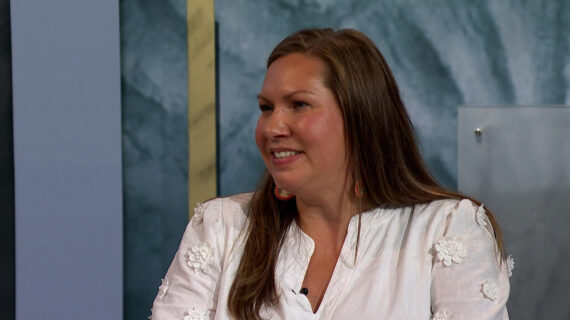
Carrie Hennessy, Horticulturist and Landscape Designer at Johnson's Nursery in Menomonee Falls, shares what professional gardeners do in the winter while waiting to plant gardens in the spring.


Copy and Paste the Following Code to Embed this Video:
What to do When Your Garden is Sleeping
It is my great pleasure today to announce Carrie Hennessy, who will tell us what to do when our garden is sleeping. Carrie is going on her eighth year as a horticulturist and landscape designer at Johnson's Nursery in Menomonee Falls, Wisconsin, where she also creates the web video series, Carrie's Quick Tips and The Dirt with Carrie Hennessy. She received her bachelor's degree in horticulture with an art minor from the University of Wisconsin River Falls. Her mother wanted her to be an artist. Carrie wanted a job that involved nature. Now Carrie uses landscapes as her palette and plants as her medium. When not being a professional plant geek, Carrie enjoys reading, cooking and the endless disappoint that comes with being a Brewers fan. (laughter) Our hearts are with you, Carrie. Carrie Hennessy. (applause) Thank you very much for that wonderful introduction, Ilze. Yes, I'm a horticulturist and landscape designer. I always say horticulturist first because I think to be a good landscape designer, you need to have a really good base of horticulture, knowing what plants are gonna work best in what area and so as master gardeners, I really think you have an advantage because you guys learn the plants first so it really helps when you try to delve into landscape design. So today I'm going to talk about what to do while your garden is sleeping. Now as a professional horticulturist, I actually love winter. Most gardeners I would say, they don't like it because the snow covers everything. Everything's sleeping. You're just itching to get outside. But for us professionals, spring is a really hectic time for us so winter is a nice time to just kind of relax, reboot, really appreciate the beauty of a quiet landscape. As I was driving into Boerner this morning, I was noticing all the different trees and how you're really able to appreciate the texture and beauty of the plants when it's winter and you have nothing else to do. But a common question I get is what do we do at Johnson's Nursery during the winter. Well first and foremost, we really enjoy eating. (laughter) We eat a lot in the winter. During the height of the season, I actually don't get to see my coworkers very much unless... I'm working with my crews, getting a job set up, but my other designers, people on propagation. Like we're basically in our own little silos and I got blinders and I just to like keep on swimming, keep on swimming to get to the end goal. So this time of year we actually get to reconnect with each other and the way we like to do that most is by having potlucks where we eat. So this is our annual Pig Out Day. We do this right before we shut down for the Christmas holidays and New Year's and we all sign up to bring things and we sit around and we talk and we basically have the whole afternoon to chat and reconnect. We also do... A fun tradition we do at Johnson's Nursery is the annual rabbit hunt after the Pig Out Day. I know it seems kinda cruel, but when you're in the nursery business, rabbits are the enemy. (laughter) So we basically file into the trucks and we've got a lot of acreage and so if there's good snow cover, we have the thrushers that try to scare the rabbits out of the underbrush and we have the people with the shotguns that take care of business. Now the person on the right here, this is Jessica. She's our green goods manager up at our garden center, but one of the funniest things I ever saw was Jessica and I were off on our own and they were trying to suss out the rabbits from the underbrush and I spotted one and she spotted it and I'm holding my 20 gauge shotgun, which is a smaller one. It's good for women, doesn't have as much kickback on it. She was borrowing our boss's 12 gauge and she saw the rabbit, took a shot and the kickback was so much, she just boom. She fell over, but she got the rabbit. (laughter) And then if we don't have enough snow cover, we do our play shooting. We'll shoot through clays and shoot those because you really do need good snow cover if you're gonna have a successful rabbit hunt to see them. Coming up soon, the Super Bowl's approaching, we do the Friday before the Super Bowl, we do Soup-er Bowl Day. We also did a Mexican Day with enchiladas and tamales. And then in March, we do our Last Chance Fish Fry because March is really the last chance we have that things are still quiet before the snow starts to melt and we start our spring harvest and we don't see each other again. But we do more than just stuff our faces. We do. For instance, our wholesale department, contractor sales, they host an annual ice fishing derby for their clients, the contractors. Our contract salespeople also go to a lot of trade shows. They take care of quoting for spring orders for their customers. And then our wholesale manager this fall got a new puppy. This is Lacey and so she spends her days in our wholesale office so if I'm feeling the need to stretch. I'm tired of being at my desk. I'll go over there and I'll play with the dog a little bit, take her for a walk. She's very sweet. Our propagation department really quiets down. This time of year all the plants that we grow in containers that didn't sell or not ready to sell yet get put into our polyhouses back in here and these are all of our seed buds that have been covered up and now the snow's covering them so our head propagator, Ben, right now he's ordering liners and supplies for spring. He's scheduling deliveries. He goes out daily to check different houses. He's basically got it on schedule and he'll check for to see if any rodents, like mice or rabbits have gotten in the houses. He checks for tears on the plastic. He checks to make sure the fans are working. Basically it's kinda boring. Even he said that. It's definitely an adjustment, that we're going breakneck speed from the time the frost leaves the ground until it goes in and then it's like hitting a wall. My husband said... We've been together for 14 years now and he said it's just I still have... He said I personally have not gotten use to it and I think i'm handling it very well and he said no, it's not until about February that I really start to calm down and get used to it. (laughter) And then in a month i'm starting up again so I really have a good month where I'm relaxed in the winter. Our landscape crews... Oh, no, I'm sorry. This is our Jackson Tree Farm. At Johnson's Nursery, we've got about 500 acres up in Jackson, which is north of the Milwaukee area. That's where we grow the trees and a lot of the shrubs. And so this time of year, they're doing a lot of pruning, machine maintenance and they do harvest trees in winter. What we'll do before the frost goes into the ground, we might have sold a big project or we're just gonna... We want to get our yard stocked for spring of really big trees and so we'll put a lot of straw around the base to keep the frost from going in and then either we'll bring a large spade truck into harvest or sometimes we do them by hand. So even a big tree like this, sometimes we'll be digging by hand. This might be a little excessive, though. This time of year, they are also rubbing trees because in the nursery business, trees will get to a point they're just too big for us to sell and they've got to get cut down. Or maybe we have to thin out a few because they're starting to crowd each other and if we can't get them harvested, they might get cut down. Our head harvest manager is ordering supplies right now. The end of February and March, they'll start getting the liners in to plant the fields so those put into cold storage until the ground is thawed. Our landscape crews have slowed down quite a bit. One of the things I love about Johnson's Nursery is that we don't do commercial snow removal. There's a lot of wear and tear on the equipment so that's just something we've never wanted to get into, but we do snow removal on site and some years it's worse than others. But the guys are mostly doing a lot of truck and equipment maintenance this time of year. They sharpen tools. Sharpening tools is something that you guys can do at home. Taking stock of did you break any shovels last year, fixing stuff, buying new things so you're ready to go in spring. But we can also do winter tree installations. A lot of people don't realize that you can install trees in winter and all you have to do... It requires going to the site before the ground freezes and just like when we're harvesting in the fields in the winter, putting straw down around the area where the tree's gonna go so the frost doesn't move in and you can actually dig. So this is some video of last year. We did a really big winter tree installation. This is actually... It's an eight or nine inch Swamp White Oak. And so this is really sped up, but we have to be very efficient when it comes to something like this and the advantage of doing a large tree like this in winter is that because the surrounding ground is so firm and frozen, we cause minimal damage. To an extent, it does help minimize transplant shock if we do it in the winter, but not that much. It's mostly minimizing the damage of the surrounding area because if we try to do a tree this big in spring, it wouldn't happen. We'd have to wait until probably July or August when things have really dried out. Otherwise we would leave such big ruts on the lawn. It does make it a little more difficult doing winter tree installations because you kind of have to exaggerate when you're planting and overcorrect and shove the soil underneath and it's very cold. And the guys are making it look so easy right now. And it's like just like using your hand to shove the soil over the top. (laughter) And then I don't know if you could see that on the tree they had put big pieces of carpet because on a tree that size, it's really hard to move it so you get a chain and you put it around it and you can pull on it to tip the tree, get the soil underneath, put it back and make sure that it's straight. Because what we don't wanna happen is that if we don't backfill correctly and there's a lot of air pockets come spring when things start to settle, if that tree starts to shift, we are in big trouble and then it becomes so much harder to ride a fix that so winter tree installations, you have to be very precise when you do it. So what am I up to this time of year? Well I do speaking engagements so I have quite a few of those lined up. I also do a lot of design work and quotes for spring. I love it when customers are contacting me like October, November for spring because if I can get out there and get measurements and photographs before snow is covering everything, that makes it a lot easier for me. So right now I have got quite a laundry list of projects that I need to get finished before March so I can get people on the schedule and get plant material reserved because in spring it's kind of a free for all sometimes trying to commit all the material that we need because all of us want the plants and there's only so many plants to go around. This time of year, I'm working on newsletters. I help organize and write our monthly newsletter called the Leaf and Brief and it's an enewsletter. You can sign up for it on our website, but it's so much easier for me to get all of those in the can before spring hits because I just do not have time to write those things when the season is in full swing. I also write my web video scripts because again, I have more time right now to do so and then it's so much easier to get everything organized in order to do the filming. It makes it much more efficient. But what can you guys do? I told you about what we do at the nursery, but what can you, as your average gardener, do in your house to get through the winter? Well at home, there's a lot of sleeping going on for me. Again because I'm very tired after the spring. Except for the arduous journey that takes them there, I'm very envious of the monarch butterflies that get to hang out in the mountains of central Mexico upside down in hibernation just chilling until they wake up and begin their long journey north again. Though they don't have Netflix or Hulu to binge watch so really I think I probably have an advantage over the monarchs this time of year. Also right now, I'm rewatching all the seasons of Downton Abbey. I'm actively watching the last season, but I'm rewatching everything prior to see how we got there and I'm quite enjoying it and my husband is not. (laughter) So what can you do in winter besides binge watching and sleeping? One thing you can do is sign up for monarch tagging. Is anybody here signed up to do monarch tagging? Ever tried it? Oh wow, one person. Well if you go to monarchwatch.org, they've got lots of links to go to and you can actually order these kits. This one is $15 and they're these tiny little stickers and basically you take a butterfly net and you catch the butterfly and then they... There's videos online that show you how to gently apply the little sticker and what it does, it helps track the migration patterns of the monarchs and people down in Mexico when the monarchs get there actually contact the tagging places like the Watch Shop and let them know these butterflies that were tagged, this is where it started, this is where it ended up. It's pretty cool. You could start tapping your own maple syrup. If you're lucky enough to have some very mature Sugar Maples, this is a fun thing to get into. When I was a kid, my grandparents had a dairy farm called Maple Tree Lane, so called because the long gravel driveway was lined by very, very old Sugar Maples so around sometimes the end of February, usually March, beginning of April, when the days are warm enough that they get above freezing and the saps can start flowing, that's prime tapping time. But you want temperatures that are gonna be above freezing during the day, but then at night it dips down into below freezing again. A lot of places including Johnson's Gardens, which is up in Cedarburg, have supplies. You can see over here, for doing your own tapping. The tapping is the easy part. The hard part is when you have to start boiling the sugar sap down into actual syrup. This is a photo of a very old stand of Sugar Maples that we not only use for seed, but for tapping up at our Jackson Farm. This is our harvest manager, Aaron Jambura, and he is a hobby maple syruper. I don't know if that's a name, but he actually has his own brand called More Steam because he said that's what they yell when they need more steam when they're boiling down the sap in the syrup. You can also bring a little bit of green indoors. Nowadays garden centers, even like Home Depot and Menards, they're really getting back into the tropical house plants because it's just... It's so hard not seeing green. However, in my case, anytime I bring anything green into the house, I have a cat that will eat everything. The only thing he has not eaten is succulents. We're doing terrariums. What I like about these is that they're not messy. Also we have an actual structure that prevents the cat from getting in there. One thing I'm gonna try next Christmas is that I'm going to make these little globe terrariums. They vary in sizes, but I'm gonna make a bunch to put on my Christmas tree. It can be very festive and you can even make a very seasonal terrarium. What I like about these, too, they're so easy to take care of. The thing you don't wanna do is overwater. Something like this is just you get one of those misters to keep it moist through the winter and that's basically all you have to do. This time of year it's also a good idea that if you want to get into hobby fruit production, you wanna place your orders now because once spring hits, it's again, there tends to be a shortage of fruit trees and we sell out very quickly. There's a lot of strides in fruit production for the urban gardener because if you have lots of acreage, you can basically grow any apple trees or peach trees you want and now they've done a lot with producing ones that are on dwarf or semi-dwarf fruit stock. They don't get as big. This form here, this is called an aspaylay form of a tree. I believe Boerner has some of these, too, but basically they've been grown and trained to grow either along a wall or a trellis or a fence. Great if you don't have a lot of space. Little bit easier. There's both more maintenance and pruning, but it's also a little easier than your traditional fruit tree. You can also get Columnar apple trees that stay very narrow and get like 12, 15 feet tall, but you can actually make a green screener, a fence out of that and yet make it functional, too. You can have something that blocks the neighbors and gives you nice apples. Going along the vein of popular urban fruit production, I'd say maybe five years ago or so, the BrazelBerry series was introduced and the idea with this is fruit shrubs that you can grow in a pot. Or if you want to plant it, you can, but the idea is that they're not gonna get above three feet tall and three feet wide. Very manageable. If you've ever tried growing your traditional raspberries, if you have a small yard or even a big yard, they just go crazy and then they become difficult to take care of. I've been doing the Raspberry Shortcake for a few years now and I do a lot of container gardening because I don't have a very big yard and then what I do, I just bring them into... I've got a closet attached to my garage that's unheated, but it maintains a pretty constant temperature so I can overwinter things in pots in there and just bring them out every spring. I've been very impressed with the Raspberry Shortcake because the fruit is very large and very tasty. One of my concerns with these when they came out is like okay, it produces fruit, but is it something you really wanna eat. It's delicious and it's much bigger than the raspberries that you'll find in the grocery stores. If you wanted, you could even make a hedge of these around your house. And if anybody has questions, we'll just wait till the end to answer questions about these. And then what's really burst in popularity with this BrazelBerry series is so far the Raspberry Shortcake's the only one I've tried of the raspberries, but they have a lot of blueberry varieties available and with blueberries, especially in southeast Wisconsin, because we have such alkaline soil because of the clay and the limestone bedrock, it's really difficult to grow blueberries if you're planting them directly in your garden in the ground because you're constantly trying to acidify it and keep that pH down. If you do it in a raised bed or a container, it's much easier to control the pH and then again, it's very portable and it's not as unruly as your traditional blueberries. So the ones that we're carrying this year are the Jelly Bean. This is one of the original dwarfs. Then we've got a Peach Sorbet and it's called Peach Sorbet because this one, it does produce nice fruit, but really the leaves themselves on a blueberry are really attractive and so this one, the leaves emerge peach, then they turn pink then green and then nice purple fall color. Pink Icing has gorgeous spring color. It's a pink mixed with a blue and in the winter before it gets really cold, you're gonna get some turquoise in that. And then this last one here, the Blueberry Glaze, this is a new one that we're pretty excited about at the nursery because even if you don't get the fruit, the foliage is so attractive and you can actually plant it and share it like you would a boxwood. It's also very tempting this time of year that you start getting the glossy magazines delivered to you, saying about oh try this in your yard and they always have the newest stuff and it looks so attractive with the glossy photos, but you really wanna beware of that. One example I can think of is... When the Bloomerang Lilac shrub was introduced and it was touted as this is the first reblooming lilac and technically it does rebloom, but if it's just one flower in July, a rebloomer I will not call that. (laughter) Now there are some new generations of that one coming out and I think we're carrying one of them this year. However, it's one I'd really like us to test out first so if you would like to be a guinea pig and try out some of these new varieties, by all means do and let nurseries and garden centers know how it does for you, but some of this stuff is just a little too new and we don't quite know how it's going to perform. Another problem you might find is that if you're looking through one of these magazines and you see something that's new, we might not be able to get it because some of these new introductions, the producers, we can't even get liners for until maybe next year so basically they're teasing you. They're teasing you a lot of the time. And if you do wanna find something that you see in a magazine, now is a good time of year to call your garden centers and your nurseries because if they don't have it, we may be able to source it for you, but if you wait until May, a lot of time our orders are already set and we can't fit anything more on the truck so the sooner we know, the sooner we can help you and the same goes for the fruit trees. So some new things we're going to be carrying at Johnson's Nursery this year that I'm pretty excited about. The first is, this is called Jetstream Oakleaf Hydrangea. Now in the last several years, there's been a lot of dwarf introductions of oakleaf hydrangea. The thing with oakleaf hydrangea that's difficult in our area is that if you have a really cold winter, it'll damage the flower buds and you may not get flowers. There's not really any way around that unless you try covering it. I talked to someone earlier today that she's having problems with the deer eating the new tips so she probably won't have flowers next year, but the nice thing about oakleaf hydrangeas is that the leaves themselves, I think are just as beautiful as the flowers that are produced. Some of the traditional oakleaf hydrangeas can get very large. Though they are slow growing, they can get massive proportions so there's some new varieties that are dwarf for the small garden. This Jetstream one, I'm pretty excited about because they're saying that the flowers are not floppy on it. They actually have strong, sturdy stems and the fall color is supposed to be a beautiful orange so this is one I'm definitely going to be trying in my yard so if you've been looking for something, if you love hydrangeas, but you need something a little sturdier and you want that good foliage texture and color, I would definitely try this one. I am a sucker for cora bells. Not all of them do well for me, whether because of the rabbits or our soil. Some ones that stood out that I notice we're ordering is Cherry Cola. We've got Grape Soda and also the photos that you see online and in magazines, sometimes those photos are doctored so we don't quite know if that's how they're gonna look when they arrive and also the amount of sunlight might influence the intensity of the color. For instance this Grape Soda, I'm gonna guess that it's gonna need a little bit of sunlight to get the best color because typically a purple leaf like that, if you put it in too much shade, you might lose some of that intensity. This Autumn Leaves coral bells, it's beautiful when it emerges in spring and then it goes a little boring through the summer, but then they call it Autumn Leaves because it's supposed to have a great color change in the fall. And so this is one that actually does better with a little bit of sun so I thought it would be really pretty if it played off with a Strutter's Ball daylily, a really deep, rich daylily color so you have something kind of out of the ordinary like the coral bells and then something very ordinary like the daylily, but they still pair well together. I'm always looking for plants that are going to do well in an area without a lot of space so I'm always looking for dwarf perennials so there's a lot of new dianthus on the market now that are reblooming. Sometimes these are also called cheddar pinks. They're in the carnation family, but these are the ones with a short, tufted foliage, kind of spiky semi-evergreen and so these three varieties, the Fruit Punch Apple Slice, the Pomegranate Kiss and the Raspberry Surprise are supposed to be repeat bloomers. I have used the Raspberry Surprise before and I found that works really good. You just wanna be careful and not put it someplace like right around the edge of a sidewalk where you're gonna pile a lot of snow because they don't like mounds of snow sitting on them. It causes poor drainage and then it takes longer for that snow to melt in spring. A dwarf version of turtlehead called Tiny Tortuga is coming out so if you have a wet area or maybe like the end of a downspout that you wanna suck up the water a little bit, but regular turtlehead gets too tall, this is a good one to try. Another one we're getting is called Silver Heart Siberian Bugloss. You might've heard of Jack Frost Bugloss or Brunnera. Some people call it brunnera. Beautiful plant, but the problem is if we get a really hot, humid summer, they just melt so this new variety is supposed to stand up to the heat and humidity a lot better, but we'll see. But this time of year... (laughter) I've been talking about things that you can do in the future to get ready for spring so you might want be wanting to get out of the house by this point. Most people wouldn't think of winter as a great time to visit your public gardens and public parks and such, such as Boerner, where we are today. The nice thing about visiting gardens in winter is it gives you a really good of idea of which plants are best for texture because even as I was driving down here today, I was looking at people's yards and a lot of it is just flat. Flat, flat snow. They might have a few yous, but nothing really to lighten and even give some color. I mean brown is a color in winter and snow actually helps highlight that. We also have Lake Park in Milwaukee. I've been working with Lake Park Friends for about four years now to help them replace Ash trees that they're losing with other trees in the park. It's a gorgeous park. If you haven't been there before, it's down in the east side. Beautiful trails. The famous Lion Bridge is down there. There's a lighthouse that does tours, but really it's just... It's a beautiful natural landscape and I think it's one that's often overlooked. It's definitely a jewel of Milwaukee. It's one of my favorites. If you're up for a bit of a drive, Anderson Japanese Gardens down in Rockford, Illinois is fantastic. I will admit I have not been able to get down there in winter yet. I'm hoping before the end of this winter I will. I've been there in the fall and it's amazing. But the nice thing about Japanese gardening, it's about quiet and winter is so quiet and really allows you to take a moment to sit and relax and kind of contemplate your surroundings. I've been to several Japanese gardens and while it's not my personal esthetic because it requires much more patience than what I possess in my garden, I love visiting them and I've been to ones in Seattle, in San Francisco. Chicago has a good Japanese garden, but I think the one in Rockford, for such a small city, it is one of the best I have ever seen so if you've never been there, I highly recommend it. They also have a wonderful restaurant there. You can even sign up for traditional tea ceremonies. A little bit closer than Rockford... Or no, a little farther, I'm sorry. We're at Chicago now. Chicago Botanic Garden definitely... I often see it show up in the top 10 best public gardens in the nation with good reason. They do a really good job down there. A little bit closer would be Allen Centennial Garden by UW Madison, University of Wisconsin System. It's a small one, but it is free to the public and it's lovely and they do a lot with texture in this one that's really highlighted in the winter. Then of course there's Olbrich Botanic Gardens in Madison. This is the Thai pagoda, which is very pretty in the winter. And then a little more local, if you wanna get out and be active, places like the Urban Ecology National Centers, there's one in Riverside Park on the east side, Washington Park in Wauwatosa and then Menomonee Valley. Three locations. They're really great for the community. If you become a member, they allow you basically for a $5 security deposit, you hand it in, you can rent cross country skis, snowshoes, ice skates. They often do candlelight hikes. Even as I was driving in today, I saw some people snowshoeing through Whitnall Park. Then Milwaukee also has the Mitchell Park Dome so if being outside is a little too cold for you, go in because at the tropical dome, I go in there, my hair gets really big and then I go in the aerodome and it gets really flat. And they've got the show dome that rotates and what people may not know, especially if you don't live in Milwaukee, they do a winter farmer's market at the domes. Every Saturday. It runs through April 9th. How many people have been to that? Oh good, I would say about maybe a third of you. I love it. My husband and I go there. We get breakfast. They have vendor's set up. You can get breakfast there. Fresh potatoes, apples. Right now is a good time of year to still get apples from them
00 and goes till 12
30. I recommend getting there either right away or towards the end or if you go on a day of a blizzard, it's really good because no one's there. (laughter) So let's move on to checking in on your yard. What can you do in your own yard this time of year? And granted there's not a whole lot you can do, but there's some, such as snow removal. Besides your sidewalks, you want to monitor, specifically your evergreens. This is a hedge of yous that we have out at our nursery that every year just gets smashed by snow so if we get a heavy snow, you wanna get out there with a rake or a broom and gently wipe it off. Arborvitaes will splay open so you wanna watch for that and get your hands around that before it becomes too bad and they start to crack. Like we do at the nursery with our rabbit hunt, monitor animal damage. This is a photo of damage on a burning bush. Burning bush is probably the favorite shrub for rabbits in the winter. It's like candy to them and what'll happen is that they totally strip the bark around the base and it mighte leaf out in the spring, but as soon as we get a little bit of heat in the summer, the shrub usually dies so the best way to prevent that, if you see it happening or if you see the cocoa puffs of the rabbit droppings around a shrub, you wanna be proactive and spray it with repellents. We carry a variety called Bobbex, which is a great organic repellent. It just... It stinks to high heaven, but it works, and in the winter, you'll only have to apply it about once every six to eight weeks. Don't stand down wind when you're spraying it. The other thing you wanna monitor for is frost cracking versus buck rub. So this photo here shows frost cracking on a tree and what happens, you'll usually see it on the south side of a tree trunk and if we have a lot of snow cover like now, if we get a really sunny winter day, what'll happen is the snow will... Or the sun will reflect off the snow and heat up the sap inside that tree so it starts to flow during the day and things start moving and then when the temperature drops down at night and it freezes again, when water or liquid freezes, it expands and then you get that cracking. That is different from buck rub. Buck rub is caused by male deer and what they're doing is... It's rudding. They're marking their territory so during hunting season around Thanksgiving, there's a lot of that going on. The earliest call I've gotten on that is probably August 28th. I had some people with damage already and as long as it's not around the entire tree, it will heal itself, but if we're talking three quarters or more damaged, it's very possible you're gonna lose the tree. If it's half or less, just let the tree heal itself. Now with either case, the frost cracking and the buck rub, the trees are gonna do a much better job of healing themselves than if we were to help them. However, we do wanna try to prevent those things. One good way to prevent the buck rub and the frost cracking is to use a white flexibly poly tree guard that you can just wrap around it and I say use the white because if you use the dark ones, that will actually absorb more heat and that can still cause the frost cracking. Now if you have a really large caliper tree, these things will not stay on, especially when it gets cold and it'll just snap off like a slinky so you look for wire mesh flexible tree guards they can put around. It won't protect it from the frost cracking, but it will help when the deer come and rub up against it. You also wanna keep an eye on your broadleaf evergreens like boxwoods. Now I've got two photos here that show this is winter burn. This is a side of a shrub that either it dried out because it was too dry going into winter. The best thing you can do for any everygreen to help it get through winter is make sure it's really well hydrated in the fall so if we're having a dry fall, give them a good drink before we start getting the hard freezes. Now that's not to be confused with just typical color change on a boxwood. It's not unusual to see them go browns or orange. This year I noticed even really a stallish boxwood were changing color early and I think it's just because we were having such a wonky fall-winter transition. So something like this will green up again in spring and you can help it along like spraying it with something like MiracleGro to help a color up to green again. Something like this where it's blonde or tan, that's not coming back and you're just gonna have to shear that off. Another broadleaf you wanna keep an eye on are rhododendrons. Now rhododendrons aren't real happy in our climate anyways, but if you are trying to grow them, this is normal. Like the bronzy, purply leaf color change, that's normal in a PJ rhododendron. This is not. When it starts curling the leaves like that, that shrub has dried out way too much and it may not come back in spring. So something you can do to help your broadleafs like boxwoods and rhododendrons survive the winter is using an anti-desiccant spray like Wilt-Pruf or Wilt Stop and basically you don't wanna apply it when it's still warm in fall, but when it starts to get colder, it basically forms like a cuticle on the leaf and it keeps the winter winds from drying it out. You can also use this on your holiday wreaths and allow them to stretch. If you want to have your holiday wreath transition into Valentine's Day, take off the Christmasy ribbons and put hearts on it instead. And if you use the Wilt-Pruf, you can keep those going for quite awhile. Evergreens like spruces and pines, yous can also get winter burn. I have photos here showing the difference between winter burn and seasonal needle drop. Good rule of thumb is that if you see brown and yellowing on an evergreen on the inside, those are just the old needles that are shedding. If it's on the tips on the outside, that's called winter burn. And for instance on this you here, if it's that brown, that's not gonna color up again and you're gonna have to shear it off the end of winter, beginning of spring. Something like this on a pine, this still isn't too bad. It might come through it, but probably these bottom ones, you're gonna have to prune those off. You can also schedule winter pruning and removals in the winter. I don't recommend doing something like this yourself. Climbing up in a tree. This is a professional arborist at our nursery, but with most... Well pretty much all deciduous trees, the best time to do any thinning and pruning is in the winter when they're dormant. Less chance of spreading disease that way. It's also easier to see the cuts that need to be made if you're not fighting a bunch of leaves at the same time. A lot of tree removal and tree service companies, they like to do winter removals this time of year. Same reason that we do our winter tree installs, is that when you're dropping large trees, you're gonna cause less damage if the ground is frozen as they're hitting the ground. Though if you're removing a really big tree, you still have to have somebody come back in the spring when the ground is thawed to do any stump grinding if necessary. And though you might not wanna tackle a huge tree in your yard, you can certainly prune your shrubberies. This time of year, I really like doing the pruning of shrubs because one, again it lessens the chance you're gonna spread disease, but it's easier to see the structure of the shrub itself and you want to do something... This is like a viburnum and rather than doing the heading method, where you're just shearing and rounding it, to keep the nature look, you're gonna take about a third of those largest stems all the way to the ground. That's the best way to control the height on something like this. And also keep in mind that if you're pruning something that blooms in spring like a lilac or forsythia, if you make any cuts on the top, you're cutting off your flowers so you definitely wanna be aware of what kind of shrub you're pruning this time of year. And then while you're pruning your shrubs, you can repurpose the branches that you're taking off by forcing branches indoors. Don't know if anybody of you have tried this, but it's a good way to get some color in the house this time of year. So I have a few favorites of stems that work well for forcing indoors. Some are easier than others. Forsythia are very easy. Magnolia's really easy. Basically the ones that are the earliest to bloom are the easiest one to force inside because you don't have to keep them in water as long. So here's a vase that I mixed with... I believe I've got forsythia in there, magnolia, some Cornelian cherry dogwood and so the key is that when you bring the branches inside, make fresh cuts, use cool water and a vase and you're gonna have to change that water probably every two days. It'll start to get real scummy and start to smell so just constantly freshen the water and within about two weeks, usually you'll have some of the branches blooming like the magnolia. I think it's fun when the magnolias are blooming and then you can pull the little caps off. You can also do eastern redbud for something a little more unusual. A lot of people don't think about doing something like a Norway maple or an alder or a birch. Not exactly what you'd think of for spring flowers, but it's actually very pretty. Very unusual. One of my favorites deforce is Cornelian cherry dogwood. It's that bright, "hello spring" is here color. This is dwarf fragrant viburnum farreri. It's different than Korean spice viburnum. Besides forcing branches, you can also force bulbs indoors so when you're planting your bulbs in the fall like your tulips, your daffodils, save some. Don't put them all in the ground and you can save some and actually bring them inside to give you color in the winter. Now most bulbs need about 12 to 13 weeks of cold treatment before they will flower. And you can do this by... You could take your bulbs and you put them in a vented bag and just stick them in your vegetable crisper with your lettuce and keep them there for about 12 weeks. They need temperatures of about 35 to 48 degrees. It does depend on which kind of bulb or you can keep them in an unheated attic or a cellar. Another way you can do it is the soil method. So the soil method, this is used a lot with daffodils and tulips. Can also do it for crocus. Now in your handouts I've got it written out what you can do, but basically you find a clean pot with proper drainage holes like anytime you're trying to grow something in a pot, cover the bottom with an inch layer of fine pebbles or gravel and then you wanna prepare equal parts sand, good garden soil and peat moss. And then with tulips, in the diagram here you'll see that you want the flat side facing the outside of the pot and some places say that you shouldn't do more than like seven tulip bulbs to like a seven inch pot, but I like to really cram mine in there, get my money's worth. Daffodils you should have on one half of the bulb peeking out of the soil and with tulips you should just see just the little tips peeking out. Crocuses you can set one inch below the soil surface and remember with bulbs, pointy end always points to the sky. Sometimes if you put it in sideways, they'll still find their way, but make it easier on yourself and it's pointy end always up. Hyacinths are very easy to force and you'll usually be able to fit... Because it's a larger bulb, fit three to four in a pot. And remember when you're dealing with hyacinth bulbs, you probably wanna wear gloves because they can cause a rash. There's a residue on them that can cause burning. And again you want the tops peeking out of them. So pat the soil firmly around the bulbs. Leave about a half inch of the soil below the pot so you have room to fill with water and then before you put them in storage, pour water in until the water flows out the bottom of the drainage holes. Now something like this, the soil method with a pot, you probably don't wanna keep this in your refrigerator so I would put this is an unheated cellar or an attic or if you have a garage that is attached to your house, put it on the outer wall, the one away from the house that isn't heated. That would work, too. So then keep it at 35 to 48 degrees for 10 to 12 weeks. Remove it from storage when you see yellow sprouts. That's normal. You should see yellow sprouts. And then keep it in a cool, partly shaded location inside until those sprouts turn green and then you can move it to a sunny windowsill and then just wait for your flowers to come out. You can also do the water method. This is very common with hyacinths. It's also very easy to use pre-cooled bulbs for this method so if you keep them in your vegetable crisper, take them out, put them in the glass... It's called the French hyacinth glass. You don't have to get something like this, but as long as it has a narrow neck that the bulb will sit in, it will work. Then you just fill the water to a quarter inch from the bottom of the bulb. You don't want that water touching the bottom of the bulb. Those roots will go down to the water and you just wait and then if you notice that the bloom isn't stretching out of the rosette, you actually put a paper cup over it until it does and then you take it off. But hyacinths are definitely the easiest to force. And then a little more esthetically pleasing is the pebbles and water method. Also very easy, you can use the pre-cold bulbs. This is a good method if you're doing paper whites and narcissus. You fill a glass bowl or a low dish about... It needs to be about two to three inches deep. Fill half of that with pebbles or chips or sand and then fill those pebbles with enough water so it's half inch below the top of those pebbles. Take your bulbs, kind of mush them in a little bit. Again you don't want the bulb touching the water. Those roots will find it. Put in a well-lighted location, 60 degrees, wait a little bit, keep it well-watered and you'll have some nice bulbs flowering. Just like that. You can also feed the birds. (laughter) Besides eating at the nursery, we spend a lot of time bird watching. Outside our landscape offices, we've got our bird garden and so we have feeders out there and we like to say oh, I saw a junco today or the nuthatches came today and it's really exciting when you get the migratory transitions and so you get things that are just stopping through on their way either to Canada or down south, especially when the orioles come. We find that a lot of fun. But in the winter, these guys have it pretty rough so we like to make it easy on them. We get the juncos, we get downey woodpeckers. My favorite is the red-breasted woodpecker. Those are really pretty to watch. And of course the cardinals. Now when you're feeding the birds... I don't know if there's any bourbon drinkers here, but in making bourbon, when they're putting in the barrels, there's part of it that's lost to evaporation that they call the angel share so I like to call this the chipmunk share. That you will lose some of your seed to the chipmunks and the squirrels. So you wanna have a variety of feeders. This is outside my office window. I've got prime real estate for this and we've got a variety of feeders. We've got the tube feeder and then the finch feeder that you can fill with thistle seed and then a platform feeder and a suet feeder because some birds prefer to have a platform to sit on like the cardinals and some small birds like finches, they really prefer to have the tube feeders that they can perch and they get their seed out of that. And then nuthatches, they like to come in, grab their seed, fly away and eat it. Come back in, fly away. They waste a lot of calories doing that, too. But some good mixes you can keep on hand is the Niger thistle seed, safflower seed. The nice thing about safflower seed is that the squirrels don't eat it. Black oiled sunflower seed, that's great for cardinals or you can get a cardinal mix. And also there's lots of different kinds of suet available now. You can make your own suet, but suet's pretty cheap. I just think it's easier to buy it. And keep it in the refrigerator. That makes it less messy when you're putting it in your feeder. And essential I think for when you're feeding birds and doing a lot of bird watching is having a good field guide. I've got this copy that's next to my desk and I love that it's color coded. It's called the Birds of Wisconsin Field Guide and then having a book called like Birdscaping in the Midwest, that this'll guide you on certain trees, shrubs and perennials that you can have in your yard so when you forget to fill your feeders, the birds can still find food in your yard. So this is a good transition for my winter reading list for you. Besides sleeping and eating in the winter, I do a lot of reading because I just don't have time when I'm busy with work so I was trying to think of books that are not only garden-related, but also really enjoyable because my biggest pet peeve is a gardening book that is dry and all it is is like there's this plant, this is how big it gets, this is what color it is. That's so boring. So one of my favorite authors is Amy Stewart and she wrote Wicked Bugs and Wicked Plants and it's basically... Wicked Plants are plants that are either deadly or have like a torrid reputation. Same with bugs. And then she also published The Drunken Botanist a couple years ago and this is about... She talks about all the plants that are needed to make your favorite drinks, like what's used for making bitters and what goes into rum. Absinthe is a whole section in there. It's pretty interesting. And she's very entertaining, too. Some other ones. This is called Apples Are from Kazakhstan and I stumbled upon this one because I was doing research on apples for one of our newsletters one year and Amazon suggested I might like this one so I said okay and I ordered it. And you may not know that apples actually are native to Kazakhstan. They are not native to North America, though there are crab apples that are native, but apples as we know them, edible ones, are from Kazakhstan and I thought this was a fantastic book. It's written by a travel writer who spent some time there and there was so much I had no... All I knew about Kazakhstan was Borat and it's not a good representation. And he even talks about that in the book, but I really enjoyed it. And Michael Pollan, he's become very popular with his books on cooking and botany. My first foray into his was The Botany of Desire and this is a book that's about four plants and how they help shape civilization in one way or another. You've got tulip fever in Amsterdam. It talks about apples, potatoes, specifically potato famine and how it affected Ireland and then of course marijuana and I found it very entertaining. And on my next to-do list to read this winter, I just picked up this copy of Cooked and haven't started it yet, but it's basically about how learning to actually cook plants and ingredients, how that changed our civilization. And since in the winter I do a lot of cooking because I don't have time the other times of years, I love experimenting with recipes so I'm very excited to start this one. And then some more just solid plant-related things. This is called Native Trees for North American Landscapes and this is an example of a very informative book about our native trees in North America. However, they also have really interesting information about folklore behind certain tree species. Jekka's Complete Herb Book. I picked this one up when I was having to do some research for the Herb Society of America Wisconsin unit. For the last couple years, I've done some presentations for them and again this has some really interesting cultural information about different herbs and herbs are actually how I first got interested in horticulture as a whole. Herbs are very easy for a young girl to grow and then I started reading about how to make teas and that's really how I got into cooking at the same time so this is one of my favorite books. And much like the Birding Guide, Field Guide by Stan, this is Wildflowers of Wisconsin and this one's very easy because again it's color coded so if you're walking on a hike and you see a white flower, go to the white section and just keep paging through until you find the flower. Couldn't be easier. And the last winter reading recommendation for you is going to help you do something else in the winter at your house. Backyard Winter Gardening, this is by a gentleman who lives in Utah. Utah has tougher winters than we do and so it's a fantastic book. My sales manager, Tom, lent this to me because he does... He's one of the vegetable gardeners I know and it's got some really easy tips for you on how to have fresh vegetables in winter. First off, if you are getting into hobby orchards, if you wanna have apples for winter, the best apples for winter storage are Haralson, Honeycrisp, Ida Red, Red Delicious. Now with Ida Red and Red Delicious, those two actually improve with age. You don't wanna eat those fresh off the tree. You wanna put those in cold storage for a couple of months before they're really gonna be edible. Snow Sweet is a new one that we're gonna carry at the nursery this year and of course McIntosh. McIntosh is my personal favorite. I love it for cooking, I love it fresh eating. If you go to the winter farmer's market, there's a couple apple vendors. They have fresh apples that are grown locally and if you go to the grocery store to buy apples, you should know all those apples have been in cold storage. They're just... They might've been... Some of them could have been picked in 2014. You just never know where it's coming from and how long it's been there. Carrots. Now I should make note that you're not actually planting carrots outside and growing those this time of year. In order to have winter vegetables in the garden, it requires some advanced planning. So with carrots, if you plant them as normal in spring, just don't harvest them all and in late autumn, you wanna cover your carrot bed with about 12 inches of straw or a leaf compost, grass clippings, whatever. Basically anything that's gonna keep the ground from freezing and then whenever you want fresh carrots, you just go out. The trough will chisel through the snow, dig up a fresh carrot and it's fine. And it's the same idea with potatoes. In spring you plant your potatoes. Do it in a trench or a raised bed, fill with at least 10 inches of compost and then as the potatoes grow, keep adding compost and then again, cover with leaves or straw to prevent the frost from going in and then harvest as needed. Now you can harvest your potatoes through the summer and store them in the winter. It's just it changes the flavor. They get a little starchier so if you want that fresh potato flavor, do it this way, but if you are storing your potatoes in the garage, some place with a concrete floor, you wanna make sure that that box is not touching concrete because that will actually wick moisture away and it'll dry your potatoes out so you want it kinda elevated like on a palette or something. Don't wash your potatoes when you harvest them. Put them in a box of dirt. Make sure... Just in cool place and they should be fine. You can also use Swiss chard this time of year. If you plant as usual, late spring, early summer, sow your seeds, harvest your Swiss chard, then allow the matured leaves to grow up and then when the frost hits them, they die down, but don't clean them up. If you leave those outer tough mature leaves as cover, what'll happen is through the winter, you'll still get little baby leaves coming underneath that and then you just move the dead leaves aside and you can harvest your Swiss chard that way. Another option is doing cold frame greens. In this part of the country where we don't have really strong winter sunlight, you wanna make sure the top of it has a 60 degree angle to try to capture as much sunlight as possible, though you can make it a simple as straw bales with a glass door over the top. And something like this allows you to have fresh greens through the winter. The easiest ones to grow in a cold frame would be Swiss chard, American variety spinach and slow bolt lettuce. Basically you sow the seed in your garden, late July, early August. Then in October, you wanna put the cold frame over it and then once the frost to set in, gets really cold, you're gonna water it by hand every three weeks and you keep harvesting your greens like this until the... It's the soil temperature. It's not the ambient air temperature that affects them. As long as the soil temperature stays above 30 degrees, you will have fresh greens all... Pretty far into winter. If you grow herbs in your garden, you can actually put herb cloches over your herbs to lengthen the time that you're gonna have fresh herbs in the garden. This works better with hardy winter herbs like sage, oregano, parsley, rosemary, thyme, chives and lavender. You can also grow herbs indoors. Because I have a cat that eats everything green I bring into the house, on something like this... I founds this on Pinterest. I thought this was a great idea because so far the cat has not figured out how to scale a wall. (laughter) That you can grow them along the side of the wall. Now if you want fresh basil in the winter, because nothing says summer or spring like fresh basil in cooking, a local company called Central Greens in Milwaukee, you might have noticed these in the grocery store, that you can buy fresh basil that's in a little plug in a cup of water. Take it home, use it for Italian cooking. Buy a bunch of it for pesto. You can actually pot it at home once you get it. Central Greens also does micro greens and wheat grass. Though it is pretty easy to grow basil indoors. Though at this point, you might be thinking it's really gonna be a long winter. (laughter) I love during the Christmas and New Year's holidays when everybody's yards are just covered with lights and it's bright and it's so pretty. And then once everybody shuts them off, it just looks kinda drab. So you can... Let's celebrate some St. Patrick's Day with some green lights. LED lights have come a long ways and you can get lights for Valentine's Day. You could get Mardi Gras lights if you wanted. People talk about making New Year's resolutions. I say instead of a New Year's resolution, right now let's make a spring resolution. What things do you wanna accomplish in spring? This is the time of year that you should sit down and think about that. One thing I do every year is I get out the seed catalogs that are arriving and I will actually map my vegetable garden. I will order my heirloom seeds now because now's the time I'm really excited, much like right now I'm so hopeful for a good Brewer's season. I'm hopeful that I'm gonna get that vegetable garden planted and it's gonna be awesome and so if I can prepare myself as much as possible now, even in fall, get my beds prepped and then if I have my diagram, I have my seeds ordered, I really don't have any excuses to not get those seeds in the ground. It's the same idea for if you want to do any work in your house in the spring. This time of year, we're already... If you're looking for somebody to do the work for you, we're already booking for May now so if you wait until April to contact a landscape company, they could be booked into July and that's so disappointing if you're just gung-ho ready to go and you have to wait that long. Be proactive, get those kinds of things wrapped up right now. Now literally yesterday my husband and I just closed on a new house, which means I have a new yard. So what I need to do is take advantage. It's a blank slate basically for pulling out two arborvitaes in the front yard and because I'm a gardener and I personally hate lawn and my husband doesn't really enjoy mowing it either, there will be no lawn at this house, which means I have to take advantage of when we get a snow melt to get outside, get some measurements and start laying out my new landscaping beds. So Johnson's Nursery has this program that we've had for several years now called We Plan, You Plant. So if you are a do it yourselfer, you are willing to put in the sweat equity, but you need a little bit of help with making the plant selections and just kinda putting it all together, basically you fill out our design questionnaire. You give us measurements of the area and provide photos and we'll do a free design for you as long as you buy the plants from us. It's been very popular and lot of people who had a lot of success with that. In fact, I bet there's some people in the room today who have done that program. I'm looking at one right now. So when you do decide okay, I've got everything. I've got everything planned out, I'm ready to go. I'm gonna do the sweat equity myself. I think one of the best workouts is gardening. Look at all the... You don't need a gym membership. You don't need some fancy machine. You're working all the groups right here. But this happens to me all the time. That I've been pretty lazy all winter with my binge watching and my eating and my sleeping so by the time I actually get outside and start doing my spring cleanup, the next day I am paying for it. There are muscles I forgot I had so if that New Year's resolution of losing the holiday weight is not enough of a motivator for you, think about your garden in spring. You wanna get in shape for your garden. The first is the dumbbell deadlift so basically you take a dumbbell and it's just a forward bending motion to the ground and up and so this is meant to mimic bending over to pick up a rock or pull a weed. You gotta get those hamstrings nice and limber. Pushups. Everybody hates pushups, but that will prepare you for pushing a wheelbarrow or pushing a lawnmower. A front loaded squat or that's the same thing as taking a big pot up from the porch and moving it to the other side of the porch. And then there's the farmer carry. When you're carrying buckets of water around, every time you're buying groceries, you're doing the farmer carry so when you do your grocery shopping next time, make sure you have one bag in one hand, one in the other and walk in the house like that and lift and lift and then really maximize and add a lunge to it like that. (laughter) And so that'll mimic lunging down to weed something or reaching for a tool. And then of course don't forget to stretch. Yoga's a really good thing to do in the winter. Very calming. Stretch out those legs, get ready for spring so you can really enjoy spring when it arrives. Thank you so much. (applause)
Search University Place Episodes
Related Stories from PBS Wisconsin's Blog









Donate to sign up. Activate and sign in to Passport. It's that easy to help PBS Wisconsin serve your community through media that educates, inspires, and entertains.
Make your membership gift today
Only for new users: Activate Passport using your code or email address
Already a member?
Look up my account
Need some help? Go to FAQ or visit PBS Passport Help
Need help accessing PBS Wisconsin anywhere?

Online Access | Platform & Device Access | Cable or Satellite Access | Over-The-Air Access
Visit Access Guide
Need help accessing PBS Wisconsin anywhere?
Visit Our
Live TV Access Guide
Online AccessPlatform & Device Access
Cable or Satellite Access
Over-The-Air Access
Visit Access Guide




Follow Us