

 Passport






Secrets to Financial Happiness for a Lifetime
08/04/15 | 43m 9s | Rating: TV-G
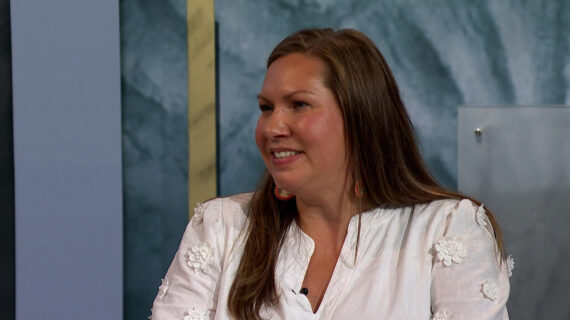
Peggy Olive, Financial Capability Specialist, UW-Extension/ UW-Madison, introduces strategies for realizing financial security. Olive focuses on planning for day to day expenses, unexpected expenses, setting goals and budgeting to allow for some “wants” in addition to covering your “needs.”


Copy and Paste the Following Code to Embed this Video:
Secrets to Financial Happiness for a Lifetime
I am gonna be speaking today on the Secrets to Financial Happiness for a Lifetime. And my name's Peggy Olive, and I'm an employee of UW-Madison and also of Extension. So I spend some of my time on the Madison campus teaching an undergrad class on financial coaching, and then I also worked for 19 years with the UW Extension where I did financial counseling, I'm also a financial coach. I did for many years the mandated bankruptcy education.
So probably have met with... Oh, I haven't counted but it's at least a thousand families, many times at their kitchen table talking about what's working with their money, what's not working, what's going well, the hopes and the dreams and how to get there. I love talking about money, especially other people's money. I'm hoping we can have little bit of fun today and learn.
Everything I share here today, it's in some generals about what works in general and then it's up to you to try to apply this to your specific situation. Again, we can have questions at the very end too. There have been many surveys about how people are doing with their money. This comes from the FINRA, it's a national financial survey where they interview about 500 households in each of the states every 3 years just to see how people are doing with their money.
In general, and you can see with some of this that people are pretty financially stressed. This one came out about 2 years ago. Less than half the people have a rainy fund so that if something happened, they could not survive an emergency for the three months, they wouldn't be able to cover their expenses. About 19% of people spend more than they earn every month.
Maybe they're putting on credit cards or have other loans just to make ends meet. 24% of people have overdue medical bills, not even just have medical bills but these are bills that are already overdue. When you get sick, it's easier to lose out on the pay and you start going downhill with some of the bill paying. Then 59% were able to answer three or fewer questions correctly on a financial literacy quiz.
It gets pretty complicated with some of that financial stuff out there and knowing that okay maybe we don't even know all of the ins and outs that we need to know to even manage our money can be pretty scary. Even just looking at some of this, it makes me feel stressed out and I can feel what's going on out there with their money. So, on the flip side, the Consumer Financial Protection Bureau that's been around for about four years, and it was developed after the recession, they did focus groups across the US with people wanting to know, "Okay when things are going well, "what does that look like?", "What are some of those commonalities that people "have if they're handling their money well and if they're "less stressed about money and if they feel like they "have a good handle on their money?" So that's what I want to talk about here today. What we can shoot for with our money.
So, what they discovered are four common themes that when they talked with people all across the US, adults of all ages, these were themes that emerged. Right off the top, it was managing day to day expenses, just having a handle on those day to day, month to month bills and be able to make ends meet that way. And then it was those unexpected expenses. We know things happen.
You turnaround and life happens, so having a plan, having a way to handle those. Then it was also financial goals, feeling like that you have some goals you were excited about then you could be doing something towards them, making progress towards your goals. And then finally that freedom of choice. I actually hate that whole needs and wants thing because life can get pretty dull if we're all just about needs.
So all of us need to work a few wants and some fun things and things that are important and a value to us into our spending. And so how to do that and how to strike the right balance is maybe the key with all of this. Now, I'm going to ask you to just think for a moment about where you're at personally with these four areas. You know, they come and go depending on what's happening in your life right now, on your age, other factors that are going on.
I mean I can tell you about ten years ago when my house was hit by a tornado, my financial goals fell to the side because I was dealing with that unexpected expense. You can juggle things and they come and go, but overall if you feel like you're giving some attention along the way to each of those four categories. So even just thinking about if there's anything you feel like, "Nah it's a should, "maybe I should be getting to that", start thinking about what you might able to do in that area. So number one, thinking about managing and juggling your day to day expenses.
Okay, hopefully it hasn't gotten this bad for anybody here. I couldn't re-stop myself though, I couldn't resist. We know it can a little bit of drudgery, and we know those day to day expenses really add up. And we all have to have some way to kind of keep track of what's going on with the budget.
All budgets have two things, money coming in hopefully and ideally and then money going out. So, what money's coming in, we look at wages, just that regular paycheck that you're getting. Sometimes people might get tips or overtime or other things that add to those base wages. We could also look at gifts or windfalls, tax returns, you have a rummage sale and you get a little bit of money in for that, so there's other ways to bring money in.
And then other resources that maybe it's not cash money, but it might stretch your budget, maybe you're claiming some tax credits, you're paying less taxes in, or maybe you have some other school lunches or some healthcare tax credits. So other things that can help stretch the budget that aren't necessarily money. And then the other half of that, expenses, so what's going out. Pretty much every household has what we call "fixed expenses", and those are really those easiest ones to keep track of, because those are the ones you know are going to be the same every single month.
So you got your rent or your mortgage or your car payment or a student loan, whatever it might be. Those are usually the biggest chunk of your budget too, but they are easiest to plan for because you know the money is gone right on the first or whenever you pay that bill. And then usually every budget has some flexible or variable expenses. Those are those things that you know you're going to have every single month, but they might change a little bit.
Maybe it's groceries, depending on what's going on, how many visitors, what events are happening. Maybe it's gas money. We have no control of the price of the pumps and maybe you're driving more some month than others. So you know you're going to have those expenses.
I mean you're probably going to want to eat sometime during the month and go somewhere, but they could fluctuate by 50, a hundred dollars. That gets a little trickier 'cause then if the gas prices go up that money has got to come from someplace else. And then usually every household has some discretionary expenses, and those are those expenses that you may not have every single month, maybe you have some hobbies or if you have kids and it's back to school time and you want to get some extra clothes and supplies. So those are those extra expenses that can be added into a budget that you might have every month.
Those can also throw a budget for a little bit of a loop. And in terms of what's going on with your own spending, I'd just like you to think about a recent purchase you made. Just in the past day or the last few days 'cause we'll come back to this at the end. Think about just big or small, something you bought in the last few days.
Write it down if you need to so you can kinda remember it as we get to it a little bit later on, because everybody needs to have some way to figure out what money is leaving the household. What money is going out of your pocket. In your packets and I have a website I will share, we have all of this information posted on our website. You also have just some sample budget worksheets, because everyone need some way to keep track of what money is leaving their household.
Some people when I'm talking with them, they know almost down to the penny right off the top of their heads and more power to them and that's not me. For other people who can't keep track of that, maybe you write it down. I keep a notebook or a ledger in my purse and I just write down when I buy something how much it was. Then at the end of the month when I'm scratching my head and wondering where the money went, oh yeah I can look back.
Oh I got a haircut or we went out to eat. I couldn't even tell I got a haircut by the end of the month, so it's good to remember to look back where my money went. There's other ways to keep track. If you're more into some of the technology, there is apps out there.
There is websites. It's nice to see many financial institutions have their own tracking so maybe some of your banks or credit unions have their own online tracking. Mint.com is a popular one. Expensify is a popular app where you can take pictures of your receipts and keep track of them that way right on your cellphone or however you like to use that or the old fashion paper, pencil is fine too.
There's lots of different ways to keep track of it, but the point is having some idea where the money goes. Again I put many different budget worksheets and some excel spreadsheets that can make some of these charts and graphs for you on a Bit.ly making money work website so you can find a little bit more. If you haven't ever tried tracking your spending, it's very eye opening. And honestly you all seem like nice people, but I could care less where you spend your money.
It's all about where you want to be spending your money and making it work for you and is it matching what's important to you. Finding what works for you and matching it. If you already have a system that works for you, great, stick with it, don't let me talk you out of it. But if you haven't yet, keep experimenting a little just to find something that helps you keep track of just those day to day, month to month expenses.
There are a few red flags if people are not able to keep up with the day to day or if something happens and you start tipping the scales. For example, if you have some bills coming in this month before you finished paying last month's bills. Carrying a credit card balance. We know just over half of all Americans pay off their credit card in full every single month.
And I've never ever met anyone who intentionally got a credit card and said, "Okay, I'm going to carry a balance "and pay lots of interest 24%, 32% to somebody else." Most people think they're going to pay off in full, but then something happens and then the balance starts building and building, and once it gets up there, it is harder, more challenging to catch up on it. And then also not being able to save for those emergencies or those goals or the things that are important to you. That's when people start to feel more of that financial stress. There are resources out there, there's the National Foundation for Credit Counseling, nonprofit organization at debtadvice.org.
If you know anyone in this situation, that's a great resource out there just to be able to talk someone about credit management or even coming up with a budget. Planning for those unexpected events, and you'll notice here I have unexpected in the quotation marks, because honestly how many of these events don't happen or we don't expect to happen. Maybe it's unexpected because we're not quite sure when they're going to happen, when they do happen. It could have an involuntary job loss or somebody gets sick or has a health event and can't work for a while.
Have a recent marriage, so it could be getting married which is wonderful and can be very expensive too. Getting divorced can be expensive, having kids. Taking on a parent if you're helping to care for an aging parent. Housing transportation costs.
If you're a homeowner one rule of thumb with a homeowner is to plan to set aside for home repairs and maintenance at least one percent of the value of your home. So, just to use a round number. If your home is worth $100,000, plan to save $1,000 a year to go towards those maintenance and repairs. And that is a big chunk of change.
That's just one rule of thumb for people to have sound foundation around their house and under their house. It doesn't mean you're going to spend $1,000 every year, but you could have a couple appliances break one year, you go couple of years and need a new roof and that's going to be many thousands of dollars. That's just one thing to keep in mind if you're a homeowner or looking to be a homeowner. And then transportation costs.
How are things going wrong if you have a car or even keeping up with getting that next vehicle just to have your transportation. I mentioned health conditions and people getting sick. And then people die. I hate to be the bearer of news here, but all of us are going to die at some point.
Again, how unexpected is this and what kind of planning do we need to put into place? Thinking about some ways to be prepared and feel less stressed about these unexpected events and when they're going to pop up, financial experts recommend having three to six months of your living expenses set aside in some kind of emergency fund. They say three to six months because if something really severe were to happen, that's about how long it would take for disability to kick in. So meanwhile, if you are awaiting for some extra finances to come in and what are you going to live on.
Trying to have the money to pay the rent or the mortgage or the groceries or the utility bills. Just having something you can fall back on. And yeah, that would be wonderful to have that money sitting in a bank account, having it liquids, you could get to it quickly, maybe it's in a certificate of deposit, or FDIC-insured money market account. So having it someplace you can get to, but on the flip side, it takes years and years to build up that kind of amount of emergency fund.
It's an ideal and it's wonderful to have, and we also need to have a backup plan. For some people, that backup plan might even be a relative who maybe already has their emergency fund saved up and they can count on that person. I would say have that conversation ahead of time so that relatives just hasn't gotten back from a cruise to start going through their emergency fund, but having some kind of plan in place. Another way to plan for emergencies is just to maintain good credit, which I also I know it's important personally and then also professionally for your jobs maintaining good credit.
Thinking about having some kind of credit card with that open line of credit where you're not necessarily using that credit card, just use once in a while to keep it open, but if something were to happen, knowing you could put money on that credit card and then take a few more months to pay off. So if something happens with the house or the car or somebody gets sick. It's just a backup plan. Like I said, nobody ever intends to carry over that balance on the credit card, but for sometimes it's nice to have that as a backup plan.
Or for some people, they have a home equity line of credit. So having some way to tap into some of that money to be able to cover your expenses. Again it's for emergencies, a vacation in the Bahamas is not necessarily emergency, even in January. So, it's thinking about you need that new roof and it's leaking on the kitchen table.
And then the key with that is just to pay it off as soon as you can. As soon as that emergency is over, then you start catching up again. Buckling a little bit more and you catch up and get ready for the next one because things keep happening. It does add to monthly future bills, but it does help get over a hump meanwhile.
A little bit more about credit and just how to even maintain that good credit is that there is something called a debt to income ratio that creditors look at, whether you're going for a loan at the bank or applying for a credit card. And the lower your debt to income ratio the better, because if you have money obligated and promised to somebody else, then you have less to live on in the here and now. Typically no more than a 15, maybe even 20 percent debt to income ratio if you add up your car loan and your credit card bills and if you have any student loans and look at your take home pay. If you have like, $500 in various loans and if your take home pay after all the taxes and deductions and insurance was 2,000, that's getting up there a little bit much.
It's about 25 percent. Then people start to get more stressed out that we know just from finding out what that line is. Staying about 15, 20 percent. If you have a mortgage, you can roll into that debt to income ratio it's no more than 40 percent of your take home pay with your mortgage and a car loan and other things.
And then we know more than that, people start to get stressed out 'cause then more money is promised to somebody else and you have less to live on in the day to day. Just something to think about with your own credit and your own finances. Also who is looking at your credit in terms of different lenders that are out there? Any time you go and get a loan, they're definitely looking at your credit.
Insurance companies are checking on your credit. Most likely whatever insurance you pay on your home, your car or other types of insurance is based on some of the information in your credit report, and that's how they set some of those rates. Landlords, employees, utility companies, and then ideally all of us in this room are keeping an eye on our credit because nobody's going to do that for us, it's one of those things either we do it or nobody is going to make sure the information there is accurate. And there's three credit bureaus, Equifax, Experian and TransUnion.
They're the three major ones in the US, and it's completely up to your creditors whether they choose to report to the three bureaus, they could report to one, they could report to three, they could not report to anyone. For example, the credit union where I had my mortgage reported to TransUnion, so when I looked at my other credit reports, there wasn't any mortgage on there. All three reports could look at little bit differently and could factor in a little bit differently. The information if you get a copy of your credit report, it has your basic identifying information, addresses you've lived at, name, birth date, social security, your credit history where you've had credit.
Usually if it's good credit, it's within the past ten years. Negative credit, you have more information in your handouts and it's also posted on our website in terms of how long different credit events stay on your credit report. There's inquiries and you also have information about a hard inquiry versus a soft inquiry. You can order a copy of your credit report and it will show on your report only to you.
It doesn't affect your credit score at all. Versus if you go and apply for a car loan or a home loan, that will show up on your credit score and it'll show up on your credit report, and it might lower your score just a little bit depending on the type of loan. You have some more information on that and just knowing what's going to affect your report and your score. And then also public record information, any kind of judgments or liens or behind on any kind of taxes would show up on there.
If you want to know how your score is doing, it's important to keep an eye on your report, just knowing what's showing up on your report and how long it's allowed to stay on there and what's going to affect that. One of the most popular types of credit scores is the FICO score. It's just one of the credit scoring bureaus and even within FICO, they have four or five different versions out there. So I can't tell you at all if you go to apply for a car loan which score your creditor is going to be looking at.
With the FICO score, it could be between 300 and 850, but there's other scores with Experian where a zero is a perfect score. So I can't even tell you exactly what the score would be. You gotta look at the report and look at the information in the report in terms of on time payments are the number one thing, 35 percent of that report. And amounts owed, knowing that you're not over your credit limit and typically not even more than a quarter up to your credit balance on a credit card.
So if you have a thousand dollars on a credit card, you don't want to charge more than 250, 300. Anything more than that is going to start to lower your credit score. You have more tips in your handouts and online, and that's the balance of what creditors are looking for to maintain that good credit if you need it for emergencies or future purchases. And you're allowed to order your free credit report.
The only real legitimate official site is annualcreditreport.com. Other sites have fancy jingles and they have commercials and all that because they have money because they're charging you for this, but the official boring dull one from the government here is annualcreditreport.com. You can order it on phone, you can order it online. And you are allowed to get a free credit report from each of the three bureaus every 12 months.
So you can get three a year just get it all at once or you can spread it out for the year just to keep an eye on what's in there. And the UW-Extension has a check your credit report campaign so just to help people remember to even get the copy of the credit report. You can sign up to get an email three times a year. We'll just send you a reminder on February 2nd, June 6th, and on October 10th, 2/2, 6/6, 10/10 just to remind you, "Oh, have you checked one "of your free credit reports?" And it'll send you the link to be able to do that.
And you can visit our website to find out even more about what affects your score, how to raise a score, what can lower a score. Just a little bit more and like I said, the main thing just to focus on is the report and making sure that information is accurate and reflects really what's going on. A final way to let me think about planning for emergencies is insurance coverage, and there's all those questions about, "What kind? How much is enough?
"Am I covered for all this?" So there's many different types of insurance. Sometimes you might bundle some of these, so you can save a little bit of money by putting some things like your car or your home. If you shop around which is recommended every few years, typically the best insurance rates whatever is offered through an employer is usually the best rates that you'll find or if you have a membership or an association, usually they have bulk rates so it's a little bit cheaper. Also to definitely shop around if you've just had a major life event.
If you just got married or just had kids it might need to do some adjustments to your insurance and how much coverage you have. Definitely if you just got divorced and your ex is still the beneficiary of your life insurance, really you want to check that out and update it. So it's important to just keep an eye on that every once in a while, just to make sure you're getting the best rates and you have the coverage you need for wherever you're at with your life. And also watching deductibles.
I mean if you're at the point where you have a little bit of a cushion satisfied for emergencies, maybe you could afford to have a little bit higher deductible and that really adds up to a lot of savings for insurance payments. So if you have a 250 home or car insurance deductible, can you bump it to 500? Could you even bump it to 1,000? Knowing that if you're home if something really bad happened, it probably just be a drop in the bucket but it would save you a lot of money along the way.
Even playing around with how much of a deductible could you afford, how much money would you have or cash in the bank or be able to get if you had to use that insurance. And there is a wonderful website, the Wisconsin office of the Commissioner of Insurance at oci.wi.gov. Has excellent publications, very easy to read. If you're into that stuff, maybe it's bedtime reading because it will put you asleep a little bit.
Sorry insurance people. It has great stuff on homeowners, other types of health insurance, life insurance and the ins and outs of what you should look for. Number three on here is the secret is saving for goals. I mentioned earlier that's about feeling like you have some financial goals and you're able to do something about it, that you're slowly moving towards them.
Maybe not as fast as you'd like, but at least you feel like you're moving along and you're going to be able to reach them. And everybody has different financial goals. Maybe it's about retirement that I think about more some days than others. Maybe it's buying a home or your child's education or your own education if you're going back to school, family vacation, whatever it might be.
Just having an idea of what you want to do with your money. I mean you're all working really hard for your money, so what do you want your money to do for you? And where do you get some of the fun and the enjoyment of life out of it? The trick is finding the room in a budget.
For example, if you have some personal financial goals, let's just say in this example it's maybe paying off a credit card in one year, or getting a new vehicle in three years, or purchasing a house, or maybe it's finishing paying off your mortgage, wherever you might be with that in ten years. All of these goals have something in common and that's they have a "what", "when" and a "how much". What is it you want? When do you want it?
And how much is it going to cost you? A goal is just a dream with a dollar and a date attached to it. So you can dream all you want, I can dream about going to... My husband would love to go to Italy sometime but he's already told me he's never coming back if he does so that's not going to happen.
So no, I've not put a a dollar on a date to that one, but there's other things. Yeah, we are planning for retirement, and we are planning for my next vehicle with my eight-year-old truck. So, it's on the radar screen and we're making some plans. For example, if you are looking for a new vehicle, let's say you need a different car and you want to get something in three years, you know the clock's ticking on whatever you're driving or maybe you have a child who's going to be turning 16 and they're already dropping hints, whatever it might be.
Let's say you want to save $3,000, to have that down. If you do the math to that, that adds up to saving $83 a month, so that's about $20 a week. And again, I don't know anyone's budgets here, but could you find $20 a week in your budget to put towards that goal? Sometimes it's yes, sometimes it's no.
Some months are going to be a little different, all of us have months where we have a lot more bills than there's money coming in because things happen that month, but overall is that something that realistically you could work into your budget? And then how are you going to make it happen? If you've done that for all your goals, let's say you have a few things from family vacation to retirement to the kid's college to that car and you've listed everything's costing 20, 50, $100 a month then you're way out of money. Then it's time to prioritize and start thinking about, "Okay, these are all my goals.
"It's wonderful, I want to work towards them but I can "only do so much at once." It's all about picking those things that are all important to you and how are you going to make that balance, what's going to come first. I put some information on our website and you have some in your handouts too. There is a prioritizer where you can enter all these other goals and they'll mix and match and help tell you what's coming out in terms of more important to you. Just to help, I've done that with my husband as we enter our own priorities just to help figure out, "Okay, what "between the two of us, what would we save for first?" I appreciated the definition when I looked prioritize, the first example they gave was housework didn't figure high on our list of priorities.
Whoever wrote that got my number, so I appreciated that one too. Another thing to do if you're having more goals than you actually have the money to set aside is just to play around with your spending. I mean, we're all creatures of habit. Usually you go to the same grocery store, you're usually buying the same groceries.
you usually go to the same gas station or maybe you go out every Friday night, whatever it might be. Looking at your habits and seeing what matters to you or what you might be willing to tweak just a little bit in terms of finding a little bit of extra money in your budget. I call this the trifecta of savings. You can pick any purchase that you might have in your household, and I'll pick groceries.
Is there a way you can buy it cheaper? I mean we know some things you can buy in bulk and it's a little cheaper, but other things are cheaper if you buy them smaller, so in paying attention to what you're buying. Can you try buying some generics and seeing if you like them just as well or not? See if you could play around and get out of the habit a little bit of what you're doing just to see if there's other places to save a little bit of money.
It's buying it cheaper, it's making it last longer. I don't want to give anyone here foodborne illness, so no, don't eat those old things, moldy things in the back of the fridge, but just even thinking about... I'd the first one to water down that Kool-Aid or the juice in the fridge, and I like it better that way. So thinking about things that you're using and how special it is to you, how much would you last.
If you make a chicken, can you use those leftovers for something else for the next few days? Or even using it less? Having a meatless Mondays and beans and rice or whatever it might be, just even experimenting with those little ways that you want to save money. I know I did this myself, I tried to bring a lunch every day and I was bringing a soda from home.
Of course I got sale at the grocery store to save little money, but I thought, "Do I really want this soda and "how much is it costing even if it's only like "25, 30 cents a can?" So I just said, "Okay for one week, I'll just drink water "with my lunch and cut out the soda", and the week went by and I realized well, I really didn't miss it. Then so I did it for another week and then another week. Then if I was dragging or need a little caffeine, yeah I'd be the first one to go over there and pay a dollar from the soda machine because I really wanted that soda. But overall, I didn't really miss and it was one habit I broke, and that's been a couple of years now.
I really have never missed that habit. But if you do miss it, it's not the one to cut out so try something else. It's just the thought of being intention about where your money goes just to find that little bit of extra wiggle room. When we think about once you found that money, you can think about saving it which we think about for short term like something you need in the next six months or even that next four or five years versus investing for the long term, the long haul, for the retirement which is I guess a longer haul for some of us than others, but even thinking about where your goals are.
And making it automatic. Just out of sight, out of mind, having something just automatically taken out of you paycheck. If you figure out how much you need to be setting aside for some of your goals, have that money taken out so you don't even miss it. Maybe if you might feel a little tight at first but pretty soon you get used to living on that budget, whatever is coming in, you'll get used to it and that money is being set aside.
And some financial institutions even set up different accounts on paper so you can have the new car fund or the vacation fund versus that retirement fund that maybe is even through your employer. Just making it automatic and putting that money where it brings you some personal joy and you feel like you're moving forward. And doing that every paycheck just starts to add up. Also even keeping an eye on the low fees.
Usually if you do something, some investing for retirement or other things, invest for child's college education, some of those fees are very low and they're very reasonable. Just being able to shop around and compare some of that. And finally with number four, the secret is spending on what's important to you, having that freedom of choice, having some of those wants that you're able to build into your budget. Like I said, it doesn't matter to me where you put your money, but is it bringing you joy, are you having some fun, are you feeling like you're just going to work making a paycheck and then paying the bills or are there some things that you can be doing with your money that are little extras?
Maybe it has to do with your values. Maybe you like to give back to the community or you give to your church or maybe do other things like buy gifts for family. So are you able to build in things for your budget that make you feel good about, "Yeah, this is what I want "my money to do for me."? Remember when we talked about spending way back when and we talked about some of those fixed and flexible and discretionary, another way we can also think about just that day to day spending is that some of those bills are the must do's, there's some things that you just gotta pay or else there's going to be some consequences, living on the street, no gas in the car, no food.
So you just got to pay those bills. Then there's other bills that are just those nice to's. That yeah if things are tight or if it's a month something happens we can cut back a little bit on there, but the day to day that's what brings a little bit of fun in life, so they're nice to have in a budget. Even thinking about that recent purchase that I had you consider a little bit earlier, how did that reflect what's important to you?
Was that one of those must do's? Was it a nice to? Is it match what's important to you? I mean, getting gas in the car or putting food on the table.
I'm going out to eat to have a little bit of fun. How is your spending that day to day reflecting what's important to you and what is it adding with that circle to all those different areas of your life? I want to give a little... I'm sharing way too much personal stuff here but you guys are okay.
No one else will ever find out about this. Spending on the nice to's, just something I think about with the day to day budget, something I hold very dear to my heart is with chocolate, and basically chocolate gives me a reason to get out of bed in the morning. I mean, I mentioned that tornado and I started buying it by the case after the tornado, but I backed off a little from that because it's been ten years. When I think about wanting to spend some of my money on chocolate which I do track in my budget, I think about how much money I'm spending.
I could spend a little bit or I could spend a lot. I also think about, "How good is it gonna be?". Whenever we buy something, that was okay like maybe restaurant you tried or I really like that and let's go back. How much are we spending and how much are we enjoying this?
Let's say I go out and buy some chocolate and I spend a little bit. It's pretty bad. Maybe it's the stuff I would save for the kids or give out at Halloween so maybe I wouldn't get that again. Then I'll try another piece, I spend a little more and oh that was pretty good, something I might have again.
Maybe I will get out of bed the next day to try some of this. I'll have a little bit more and I keep trying, experimenting with this because it's something I enjoy doing with my money. Then I just buy a little more. Farmer's Market on the State Street and I wondered away from the vegetables, somehow ended up in this fancy chocolate shop, and I walk in and they have these glass cases of these beautiful boxes.
There's no chocolate inside but these beautiful boxes of gift wrap. Then from behind, a curtain comes out this guy wearing this lab coat with a silver tray of these different samples of chocolate, and honestly it was some of the best chocolate I've ever had. I think he's massaging my feet at some point. I don't know what's going on, but I walked out of that store with a nice little gift box of chocolate that cost a lot of money.
Thinking about that, yeah okay it was pretty good, it was more the experience, but would I really spend that much on chocolate day to day? No, I mean I can keep my whits about me that much. So then I discovered dark chocolate. Sadly, I was emptying out the recycle bin in my office yesterday and had all these boxes come flying out, at least I'm recycling the cardboard.
For me, so I found the dark chocolate that I like to spend some money on. I even track this in my budget. Well, for one year I separated out the dark chocolate from the milk chocolate because the milk chocolate was a want, but the dark chocolate was a need. So this is what I built my budget around.
Just like I said, too much sharing here. But if I reflect back on just this one little part where I have some financial freedom and I can decide what to do with my money, I could even put that on a graph in terms of what's the most money I want to spend for the most fulfillment? And that's what I come up with. This is something that it's in my budget, it's not too crazy like the lab coat guy and it's not too cheap that it's something I really look forward to as a treat.
And it's worth cutting out soda for me so I can enjoy the chocolate. You can do this with pretty much anything. I have been in the middle of discussions between husband and wives which is always fun where he just does not understand how she can spend five dollars on a cup of coffee and they're like picking the budget apart, and she cannot understand how he could possibly spend a hundred dollars on a wrench. They have some available for ten, 15 dollars that do the same thing and look exactly alike.
Everybody has this own line for themselves in terms of what that value is and what they want in terms of how much are they going to spend, how much they can find room in the budget. It's a very personal choice. Share this with a partner if you have in terms of looking at your budgets a little bit differently and how much wiggle room does each person have? Because this is where the financial freedom comes in and where some of the fun with the money.
Looking at your money spend and your fulfillment. Everybody needs to spent a certain amount of money just for survival. You know, the food, shelter, clothing. You need to spend a certain amount.
And then we start kind of veering off on what's important to us. You spend a little bit more to get some of those comforts. I mean what might bring you a little bit more wiggle room, a little bit more cushion. For some people, maybe it's having a house versus apartment or a condo or whatever that might be.
Then you spend a little bit more and you start to feel like, "Oh, I'm getting some luxuries in life, I'm getting some "things that..." You know, yeah do I really need it? No. But it's a nice little treat, it's a nice little luxury, it's almost like a mini vacation. Again, it's going to look very different.
Whether it's a survival riding the bus or comfort having your vehicle that will start every morning versus a luxury, having a brand new vehicle or something with heated seats. Do you ever remember the first time you ever sat in something with heated seats? It's nice to be warned ahead of time, that's all I can say. I mean, even that such a personal line in terms of how much you want to spend and what kind of fulfillment you get from that.
Then you live long enough, you can keep spending your money on whatever you want. You can get more luxuries. You can get one of every color, one of every size, one of every kind. It's your money, you can decide where you want to put it.
Then you die, which I already broke that news to all of us. As long as you live, you can spend it because you can't take it with you. If we step back and looked at our spending and how we balance this out, it comes to a point where for each of us, we feel like we have enough. How much does it start to feel like okay, this is a little bit of extra, this is fun and I really appreciate this.
When I got to go and spend a dollar in a soda from a vending machine, I'm really appreciating it versus just doing it every day. Versus when does it turn into clutter? When does it start to like burden you down a little bit more when you have to take care of it and clean it and fix it and then sell it and then get new things. At what point does it feel like personally this is enough, this is adding a lot to my life and then this is becoming too much, it's too much to take care of it.
Now I got to have a rummage sale to get rid of it. It's a lot easier to buy things than to get rid of them. Like I said, for everyone in this room, that's going to be at a different point. But once you start thinking about what is it that I want and get the most value for my money, you can cut out some of that clutter.
You're about to buy something at the store and you think about do I really need this in a different color or a different size or this latest model? What is it that I really want to do with this dollar I'm holding here or hundred dollars, whatever it is. When you cut out some of the clutter, it does free up some of your money. You can put some of that in savings toward goals.
You can give some of that money to other people if that's one of your values and what other financial priorities you have. When you start just stepping back and looking at where you're actually putting your money, it gives you more power and more control. And that's what I'm talking about in terms of what people feel like they have a good handle on their money and where they're getting some happiness and some well-being from their money. I have secretly divulged the top secrets for financial happiness.
Thinking about that having that handle on just the day to day expenses and having a few strategies for that, being able to cover financial emergencies or goals knowing that they're going to happen, being able to set aside money for financial goals, starting to do some of that math about how much money is this going to take, what's the most important, when will it happen. Then that freedom, you got to have freedom with all of this and make it work for you. I had to chuckle a bit when we were going through the recession and everyone suddenly was a frugalista and everyone was into like recycling and resell and all that. Some people held out longer than others.
But at some point, everyone had what we call "the frugal fatigue", and you could hear the snap around the world where, "Ugh, I can't stand living on this budget anymore". So that's not the way to do it. The way to do it is figuring out what's going to bring you the most fulfillment, how you're doing with each of these categories just overall and it's going to change depending on what's happening in your life and your age, what lifecycle you're in. Also thinking about as you leave here today, thinking about what one area.
Is there something I've been neglecting a little bit in one of these? Maybe I've been meaning to track spending or maybe I've been wanting to purchase something and I could figure out how much it's going to be. If you could think about if you just spend five minutes today doing something in one of these categories, think about something you could do, five minutes or less. Something that would just get a little bit of that, "Oh, I should do this and so I'm going to just focus "on this for five minutes and move that "ball down the court a little bit more." That's the challenge I'm going to throw out to everybody here today, just one thing you could do by the end of the day, by midnight tonight.
It's just going to take five minutes. As I mentioned, I have a lot of these materials and resources on our Bit.ly making money work and different excel spreadsheets with financial tracking and budgeting forms, information on our credit report and then some information on tough times general budgeting, English and in Spanish for anyone looking for that resource. Then of course my contact information at the University of Wisconsin. And I'd like to thank you for having me in here today, I've had a lot of fun, so thanks for being such a good sports.
(applause)
Search University Place Episodes
Related Stories from PBS Wisconsin's Blog











Donate to sign up. Activate and sign in to Passport. It's that easy to help PBS Wisconsin serve your community through media that educates, inspires, and entertains.
Make your membership gift today
Only for new users: Activate Passport using your code or email address
Already a member?
Look up my account
Need some help? Go to FAQ or visit PBS Passport Help
Need help accessing PBS Wisconsin anywhere?

Online Access | Platform & Device Access | Cable or Satellite Access | Over-The-Air Access
Visit Access Guide
Need help accessing PBS Wisconsin anywhere?
Visit Our
Live TV Access Guide
Online AccessPlatform & Device Access
Cable or Satellite Access
Over-The-Air Access
Visit Access Guide




Follow Us