

 Passport






Sourdough
03/26/15 | 26m 45s | Rating: TV-G
David Boucher and Stephanie Shipley, co-owners and founders of Amaranth Bakery & Cafe in Milwaukee, use fresh food to build community. At Madison Sourdough, get a taste for naturally leavened breads and French pastries with head baker and co-owner Andrew Hutchinson, who aims to bring nutrition back to bread.


Copy and Paste the Following Code to Embed this Video:
Sourdough
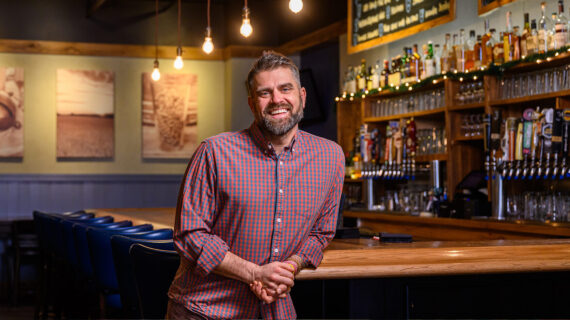
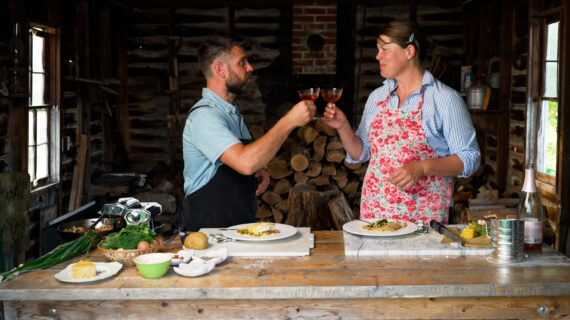
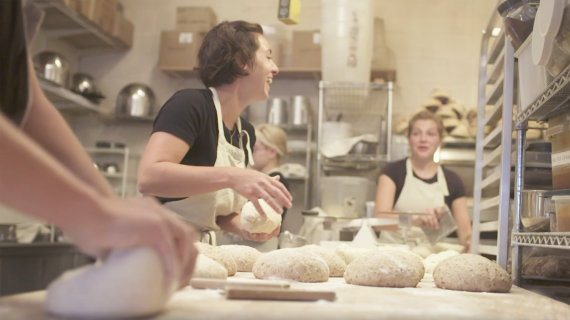
>> This week on Wisconsin Foodie. >> I'm David Boucher, owner of Amaranth Bakery. Our goal around food is to enjoy it, and we started to realize that there was an opportunity and a place for a community-oriented space. >> So, this used to be a tavern. >> Correct. >> And I often, when I go into a new place, drink what the bartender is drinking. In this case, I'd like to bite into what the baker likes. >> It's a Finnish pulla. So it's a Scandinavian, rich, butter, egg bread. >> Oh, man, that's great. >> Madison Sourdough is a bakery specializing in naturally leavened breads and French breakfast pastries. So here we are. We're going to shape our miche. >> See, yours looks gorgeous. Mine looks like an angry turtle. >> Part of my grand vision is to be able to take control of as many steps of the process of making bread as possible. >> As a lover of sandwiches, I'm going to say I need nothing more than just the bread. >> Wisconsin Foodie would like to thank the following underwriters for their support; Wisconsin Milk Marketing Board and the dairy farm families of Wisconsin; Society Insurance, small details, big difference; Outpost Natural Foods Co-Op; Potawatomi Hotel and Casino; Illing Company, creating packaging solutions for you; Fab Wisconsin, the regional food and beverage industry cluster; The Wisconsin Milk Marketing Board and the dairy farm families of Wisconsin are proud to support Wisconsin Foodie, helping viewers celebrate our state's vibrant food culture. With nearly 11,000 family dairy farms, the Wisconsin dairy industry generates more than $26 billion annually for the Wisconsin economy, and brings recognition to the state for producing award-winning cheeses. >> I've had Society Insurance for my restaurant from the beginning, because I know they understand my business and how it's evolving, and how the industry is evolving. You're going to have the coverage and support you need for your unique operation. >> The Milwaukee region has the highest concentration of jobs in food, beverage and ingredients manufacturing in the nation. From production to processing, right down to our plates our regional food industry offers career opportunities to fulfill your dreams and feed the world. >> When David Boucher and Stephanie Shipley opened up Amaranth Bakery in the Walnut Hill neighborhood of Milwaukee, Wisconsin, in 2006. They were already well vetted in community gardens and great baking skills. But this locust, this location, this cafe and bakery became so much more. It was a place where people break bread, where community happens, where the living entity of what food and thoughtfulness can pull together across a table. >> I'm David Boucher, owner of Amaranth Bakery. Many people said why do we have to go somewhere else, leave the neighborhood in order to go somewhere for good food? And we started to realize that there was an opportunity and a place for us to open a space, have a community-oriented space as a cafe, as a meeting place, as a space for just good food and conversation. I guess our goal around food is to enjoy it. When a customer leaves here with a bowl of soup and calls me after they've driven home and they don't even get out of the car to eat their soup, they just sit in their front seats and eat their soup and say, "Dave, this is amazing, we just took a moment, my wife and I, to sit here and have this bowl of soup." That's what it's about. >> I like the Amaranth story because you started in community gardens when nobody talked about them. >> Right. >> And then you did some work with Growing Power, if I remember correctly. >> Right. >> And so the natural transition is, yeah, just open a bakery in the neighborhood you love, right? >> It seems logical, right? And it came from a bigger view of community development and community building. Working with residents in the community to determine what it was that we could do at the local level to start making a difference in the neighborhood and making people feel like it is their neighborhood. >> And the cafe culture, whether it's pre-Napoleon or what's going on here, it's where all kinds of people transit together. >> Absolutely. >> And you've got a cup of coffee or a cup of tea and a sandwich or a piece of bread, and you have to mix with your neighbors. >> Right. >> That you might not realize are your neighbors. >> Yes. Exactly. And the hope is that we can build those convergences. >> Stephanie. >> Yes. >> Hello. >> With dough in your hands. I should have known. Here, we'll do one of these. Nice to see you. >> Nice to see you. >> So, what are you concocting here? What are you shaping? >> This is whole wheat buttermilk that I'm making into sort of a knot roll. It's a stone ground whole wheat flour, buttermilk, salt, and a little honey. >> I'm sure they're going to be delicious. I want to know your story. How did you and David decide I want to make great bread and I want to be part of the community and all that jazz? >> I bought the building, this building, in 2000, and we were trying to figure out what are we going to do with an old tavern. >> That's why it's got a good vibe. I can hear the bottles clinking and the peanut shells on the floor and the great Milwaukee beer flowing and the conversation. >> And I had just started to become interested in sourdough baking. I started my own yeast culture. So I've had that going for 15 years now. But it's all yeast that was gathered from this place. >> Yeah. It's the terre noire of this building. It's really cool. >> So this started as just some flour and water that I left out. I didn't take someone else's culture and started from there. I just started from flour and water, and just let it, basically, gather yeast from the air. >> So you're kind of a culture snob. You wanted your own culture. >> I wanted my own culture. >> You didn't want someone else's culture. >> I wanted an original culture. >> Yeah. >> This is an egg and butter bread. So it's a richer dough. It's closer to a brioche. >> Mm-hmm. >> It's a Finnish pulla. So it's a Scandinavian, rich, butter, egg bread. >> It sounds a little closer to a pastry, which oftentimes are my favorite breads. >> Yeah. So it was mixed yesterday and then put in the refrigerator. >> Mm-hmm. >> Which slows down the process, so believe we get better flavor that way. And then I take it out in the morning and braid it and let it --. But the almonds are traditional. I put a little sugar in because the bread isn't very sweet, but I like it to have just a little crust of sugar so it sparkles. >> Like Nina Simone said, a little sugar in my bowl, it's good, right? >> Yeah, right. >> You and David have all these aspects you do here for the business and the community, but do you fall asleep thinking about bread? >> Yeah, I mean, sometimes. I have a lot of dreams about bread. Bread is the first thing I pull out in the morning; it's the last thing I do at night. So it's interwoven to my whole day. >> What gorgeous bookends. Yeah. There are plenty of breads out there. I'm going to go break some with your husband David and get out of your mixing area. >> Okay. >> Thank you. >> Thank you. >> And I love what you're doing in the community and your baking. It's fantastic. >> Thank you. >> I'm glad you're here. >> Thank you. >> Here we go. >> Let's break some bread. >> Let's. >> Yeah. >> We get a few plates. >> All right. If you want to get fancy, David. So this used to be a tavern. >> Correct. >> And I often, when I go into a new place, drink what the bartender is drinking. In this case, I'd like to bite into what the baker likes. >> Wonderful. Yes. That's our oatmeal date pecan sourdough. It has whole wheat as well as oats, pecans, and dates. >> So I can understand why this is Stephanie's favorite bread. It is rich. It is hearty. It is sweet. It'll put hair on your chest and keep it there, in a good way. >> In a good way. That's the important part. >> This is fantastic. >> It's an amazing thing what happens when you give bread time. >> Mm-hmm. >> And the beauty of some of our breads is they will accept, whether it's a good, strong, pungent Camembert or whether you just want to put some marmalade on it. They will go both directions. >> It's very British of you.
LAUGHTER
>> A good morning starts with a spot of tea. >> Where you taking me next? >> We are going to go across the English Channel and cut into a baguette. And our baguettes, similarly, will be denser. Much smaller holes. We don't bounce them with a non-sourdough yeast. And so it will be something that in fact you can put condiments on. >> Right. >> And won't go through. >> Yeah, this is a thick, almost doughy, it's a strong, it's a distinctive baguette. It's not one of those grab and go and you're eating a crusty outside but a lot of air. >> Right. >> Which is fine in that French tradition, but this is a whole different animal. This is a working baguette. >> Right. >> Yeah. >> Right. >> So this is, if I remember from talking to Stephanie in the back, this is a Scandinavian style bread. >> Yes. >> A little sugar, almost slivers on top. >> Right. >> And your same great sourdough starter. >> Yes. In a brioche. >> In a brioche. >> Right. >> Okay. >> And so, softer, richer obviously. >> This just yields to a little tug. >> Right. >> This is a delicate, fantastic. >> Yes it is. >> This is not a bruiser. Oh, man, that's great. >> Melts. >> With a rich coffee. Or even a salty pastrami to go. >> Mm-hmm. >> With that egg wash and that sugar. That is great. >> And if you don't finish it during the week, amazing for French toast. >> It would be incredible. I was just thinking that. >> Absolutely. >> Yeah. Amazing. >> Yeah. >> David, I have to give you and Stephanie so much credit because you're locusts in this neighborhood, but it wasn't always clear, right? >> Right. >> That it would turn out that way. >> Right. >> Yeah. >> We didn't, quite frankly, anticipate having this be so successful. We thought, okay, five years, we'll see what happens. We are now within a week of our ninth year, and it just keeps getting stronger. So it's very gratifying. >> I'm going to grab a loaf on my way out. >> Wonderful. >> Maybe three. >> Yes. >> Thanks, buddy. >> Thank you. >> We'll be back and break bread again. >> Wonderful. >> Terrific. >> Look forward to it. >> See ya. >> Thank you. >> Yeah. Take care. >> My name is Andrew Hutchison. I'm the head baker and co-owner of Madison Sourdough. I really liked baking bread when I first started. I baked for a year and I took a sabbatical and I traveled to Europe. I was over there for close to five months, and I spent about three months in France. I hooked up with a baker in Paris, and after that I was totally hooked. Madison Sourdough is a bakery specializing in naturally leavened breads and French breakfast pastries. We've been around since the early '90s, and it's kind of taken several different forms since then. In it's current form, we're a bakery that wholesales to the city of Madison. We have a cafe to sell our retail products, pastries, breads, and then we also do breakfast and lunch. Civilization as we know it has been built on grain and bread. It's just that we've sort of forgotten how to make them nutritiously and make them well. And so my goal with bread is to make something delicious but something that is focused as well as the nutritional value. >> Andrew, the baker. >> Good morning. >> How are you? >> Good. How are you? >> It's probably midday or early evening for you, right? >> It's midday, yeah. >> So I came kind of in dark colors because I wanted to show my flour cred. >> Yeah, sure. Do you want an apron? >> I do. >> Let me get you one. >> These are the engines of the ship. >> I describe it as the beating heart of our bakery, yeah. So, when this things stops, all other things stop circulating and things come to a halt >> I just have to creep around the corner. >> Absolutely. >> I mean, this is like Christmas morning if you dig bread. >> Absolutely. >> Look at how beautiful these are. >> We've got some rustic baguettes. We got our classic MSCo sourdough. >> Only because I was raised in a family with fairly distinct discipline do I have the restraint to hold back from just yanking one of those off the shelf and tearing into it. >> Are you sure you don't want one right now? >> If you're offering, dude. >> Yeah. >> Oh, yeah. Oh, my god, it's still warm. >> Yeah, it's still warm. Just out of the oven. >> Andrew, dude, this is... I mean, it's just under body temp. And it's got that crusty and then this soft, luxurious... >> Tender crumb. >> I just met you like five minutes ago, and I want to be your best friend. You bake such awesome bread. Can I touch the dough? >> Yeah. >> Yeah. And this is a texture that you know by feel, right? >> Absolutely. So we're looking for kind of a combination of elasticity here. We want it to be slightly shiny on the surface, but you need to develop the gluten just so you get a proper rise in the bread. >> Right. >> So that's what's going to hold and trap gasses during the baking process. >> And this is for the miche? >> That's correct. >> Okay. >> Yeah. >> So here we are, we're going to shape our miche. >> Tell me about a miche. >> A 'miche' means mixed, literally. I think it's pretty much a German word but appropriated by the French. It's a blend of wheat and rye, at least our version is. Some people put spelt in theirs as well. This is the type of bread that I say to people I always have on my cutting board. >> Yeah. >> And I can turn it into anything. It's great fresh. It makes great toast, grilled cheese, croutons, bread crumbs, meatloaf, whatever you need to do with it. >> Pillow on a plane. >> Absolutely. >> Yeah. >> Yeah. This is a preliminary shape. We're going to make it into a large pulla, but we're going to give it another series of folds. >> Okay. >> So what I try to do when I'm shaping breads is I try to do as little as possible to the loaf to get it to its final shape. >> Right, mess with it as little as possible. >> Exactly. So there's a lot of sort of natural... >> Just the elasticity and the life going on. >> Yep. >> You can see it. So you're just doing a four-time fold almost like wrapping a present. >> Exactly. >> And then you're rounding and folding. I might be able to do this. >> I think you can do it. >> Yeah. >> All right, so what we're going to do is we're going to fold this two-thirds of the way down. >> Two-thirds? >> Yep. >> And you want to press that in. >> Naturally. >> On itself. >> Yep. Mine looks a little more gnarly than yours. >> That's fine. And we're going to take our sides and we're going to fold and overlap. >> Okay. >> Then you're going to press down on that. >> Okay. >> Okay. And then what we're going to do is we're going to take this end and we're going to meet this end, and that's going to be a seam. Okay? You're going to press that into the table. >> Normally you would do this without even looking. >> Yeah. >> Yeah. >> So then what we're going to do, since you have you seam right here, we're going to roll it so the seam's right on the bottom. >> Okay. >> And then we're just going to grab these sides and we're going to fold in. There you go. >> That's fairly respectable. >> Yeah. >> Yeah. I even have, like, my own mark right there. >> That's perfect. >> Customization. Is it seriously? >> No. But it's close.
LAUGHTER
And what we're going to do is then we're going to just pull this towards yourself. You can see it stretching on the top. >> Yeah. I'm sticking a little bit. I think I needed more flour. >> That's okay. We can use a bench knife here. We'll just pick that right off the table. >> See, yours looks gorgeous. Mine looks like an angry turtle. So can I throw this? >> Yep. >> Right in there? >> Yep, go ahead and put it right in the flour there. >> Okay, a little bit on top? >> Yep, all right, should we head over to the oven? We've got some miche that are ready to go in. This is called a setter. Here is our miche. So this type of bread was traditionally baked in communal wood-fired ovens. >> Uh-huh. >> And a family about twice a month would bring their loaves to the village baker, and he would load them but each loaf would be, a family's loaf would be in the oven with another family's loaf. So they had to mark them in some way. All right, these are going to go in. >> All right, this is going to be so cool. >> Yeah. Yeah. >> Come on. >> Okay. Well, we've got a little longer for these miche to come out of the oven. Why don't we take a quick tour of the cafe and show you some other things that we're working on. Here are some of the pastries we bake every day. Very French breakfast pastries. >> They look fantastic. >> We specialize in our croissants. We've got three or four different varieties there. Let's go see two new things that we've been working on. >> Yeah, right on. Wow. So cool. >> Yep. So this is our new MSCo patisserie. French-style elegant desserts. >> Clearly. >> Yeah. >> Yeah. So you've got the opera cake, classic French, the Dacquoise, and then this new, I don't know, it's like a Midwestern French tart. What are you doing there? >> It's a tarte tatin. It's like upside down caramel apple cake. >> And then, of course, the macaroon, which is the French version of the Scooby Snack. >> Exactly. >> Yeah. >> Addicting. >> Those and a cup of coffee and you're nice to everybody for the whole day. >> Absolutely. >> You promised two cool new things. >> Yeah, I got to show you the mill. >> Come on. >> Yeah. We're going to be milling our own flour. >> It's like the gift that keeps giving when you come here. >> So this is our new stone mill here. >> So cool. >> Yeah. >> That is one really awesome boxcar racer for flour. Where is this from? Did you guys build it? >> No, we brought it in from Austria. >> Oh, naturally. >> Yeah. >> So with this, you'll complete the cycle because you have the sourdough starter that you began in the '90s, you've got great grains from Lonesome Stone grown here in Wisconsin, some heritage grains, and then you're going to mill it, and your hands and your team will bake it. >> Absolutely. So, for me, it's sort of a part of my grand vision is to be able to take control of as many steps of the process of making bread as possible. It gives me as much creative flexibility as I want, and then it also allows me to really maintain the integrity of each loaf of bread that we create here. >> This is really cool. This is really cool. It's making me hungry. >> Yeah. >> Can I get a slice maybe? >> Absolutely. >> Do you have any bread laying around we might be able to just tear into again. >> Yeah, let me see if those miche are out of the oven, and I can grab one of those and cut a slice for you. >> Yeah, you're speaking my language. >> All right. >> Yeah.
friction from knife slicing
>> So what do you know about a loaf as you're slicing into it as you just were? What does the knife tell you, what does the temp tell you, what does your hands, your nose? >> I want the crust to resist, and then I want the crumb to just gently give. So I want crisp crust, and I want nice tender interior. >> Just got to yield to it, right? >> Yeah. >> This is sublime. >> It's good stuff, huh? >> Wow. Have you eaten your bread? >> Yeah. >> How do you not freak out every time you do? It's so good. This is amazing. Thank you. Thank you. As a lover of sandwiches, I'm going to say I need nothing more than just the bread. A high compliment.... >> Wisconsin Foodie would like to thank the following underwriters for their support; Wisconsin Milk Marketing Board and the dairy farm families of Wisconsin; Society Insurance, small details, big difference; Outpost Natural Foods Co-Op; Potawatomi Hotel and Casino; Illing Company, creating packaging solutions for you; Fab Wisconsin, the regional food and beverage industry cluster; the Wisconsin Department of Natural Resources. WMSE 91.7 FM, Frontier Radio. The Wisconsin Milk Marketing Board and the dairy farm families of Wisconsin are proud to support Wisconsin Foodie, helping viewers celebrate our state's vibrant food culture. With nearly 11,000 family dairy farms, the Wisconsin dairy industry generates more than $26 billion annually for the Wisconsin economy, and brings recognition to the state for producing award-winning cheeses. I've had Society Insurance for my restaurant from the beginning because I know that they understand my business and how it's evolving, and how the industry is evolving. You're going to have the coverage and support you need for your unique operation. >> The Milwaukee region has the highest concentration of jobs in food, beverage and ingredients manufacturing in the nation. From production to processing, right down to our plates our regional food industry offers career opportunities to fulfill your dreams and feed the world. >> Your bakery smells like a delicious bakery. >> Well, thank you very much. >> Likely story, right? So this is a baker question. When you have a great piece of bread and you slice it, what do you like to put either on it or between it? >> I'm a big fan of just a little butter. I don't know. >> You are so a dairy state baker. >> Oh, cut! >> The inside has a profound taste. >> Can you imagine if you're on this show? Matt's going to marry you tomorrow.
giggles
Search Episodes
Related Stories from PBS Wisconsin's Blog




Donate to sign up. Activate and sign in to Passport. It's that easy to help PBS Wisconsin serve your community through media that educates, inspires, and entertains.
Make your membership gift today
Only for new users: Activate Passport using your code or email address
Already a member?
Look up my account
Need some help? Go to FAQ or visit PBS Passport Help
Need help accessing PBS Wisconsin anywhere?

Online Access | Platform & Device Access | Cable or Satellite Access | Over-The-Air Access
Visit Access Guide
Need help accessing PBS Wisconsin anywhere?
Visit Our
Live TV Access Guide
Online AccessPlatform & Device Access
Cable or Satellite Access
Over-The-Air Access
Visit Access Guide




Follow Us