



Paul Hutson on psilocybin dosing as a clinical treatment
UW-Madison Center for Psychedelic Research professor Paul Hutson describes the efficacy of psilocybin to treat depression and substance abuse in research of psychedelics as a mental health therapy.
By Frederica Freyberg | Here & Now
May 5, 2026
Paul Hutson on the efficacy of psilocybin to treat depression and substance abuse.
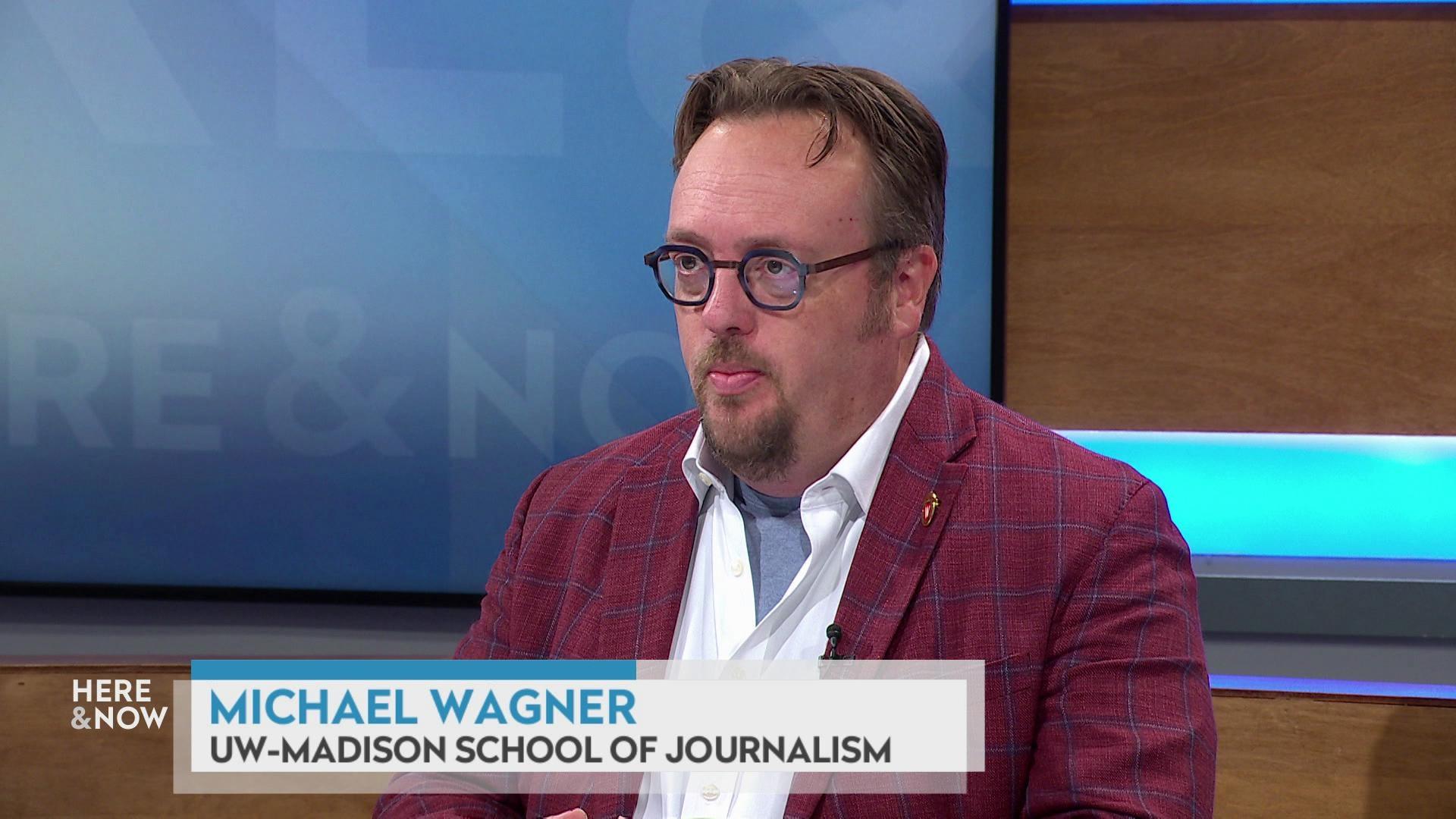
VIDEO TRANSCRIPT
Paul Hutson:
We don't know why these changes happen, whether it be substance use disorders or depression. We feel that the conscious psychedelic experience is important. We don't know if there's a particular level you need to reach, that you need to dial something in. We have evidence at this point, though, that microdosing is not effective and might be very dangerous to the heart. We think that perhaps it allows people to — if they think of the mind in an depressed patient as being rutted and you're kind of forced into this path that you having a hard time getting out of — perhaps the psilocybin experience allows you to sort of smooth that and reframe the way you see yourself, the way you see your use of drugs of abuse, for example. But we're not really sure, quite honestly. We don't know if it's just the psychedelic experience, or some biochemical effect that doesn't need the psychedelic experience. We're still studying that.
Frederica Freyberg:
What is the efficacy of psilocybin for some of these people?
Paul Hutson:
The efficacy is remarkably fast and remarkably consistent in a lot of individuals. We see that at the usual dose that we're using, that up to 60%, sometimes more individuals can have a remission of their depression. In some cases, we see a similar remission rate or abstinence rate in tobacco, for example, or alcohol — not studies that we've done here, but really reliable studies. We've got one small study that we were able to look at individuals with methamphetamine use disorder, and in the three individuals that we were able to study before we lost our funding, these individuals had a 90% drop in their methamphetamine use after two doses. So, again, there's something about the substance use disorders that seems to be responding very well in a controlled administration of psilocybin — not recreational use necessarily, but in the process that we're doing it, some remarkable results.
...
We don't really know yet how long these effects — these beneficial effects on substance use disorders or depression — will last. In our studies, we typically can only watch them so long. We only have so much money to watch them. And so, typically we're looking for one or two months. But the companies that are looking at it will be expected by the FDA to do some long-term studies, and to better understand the question of how durable these effects. We also don't know how important it is for perhaps a booster to be administered six months, 12 months down the road, or how many doses in quick succession a week apart, a month apart, is going to maximize the therapeutic effect. The FDA is going to be receiving these applications primarily with just one dose though. That's how remarkable it is, that one dose seems to have these really, really dramatic rapid effects, and surprisingly durable too.
Passport


Follow Us