

 Passport








'Here & Now' Highlights: Tom Content, Paul Hutson
Here's what guests on the May 1, 2026 episode said about energy use by data centers and treating mental health disorders with psychedelic medicines.
By Frederica Freyberg | Here & Now
May 4, 2026


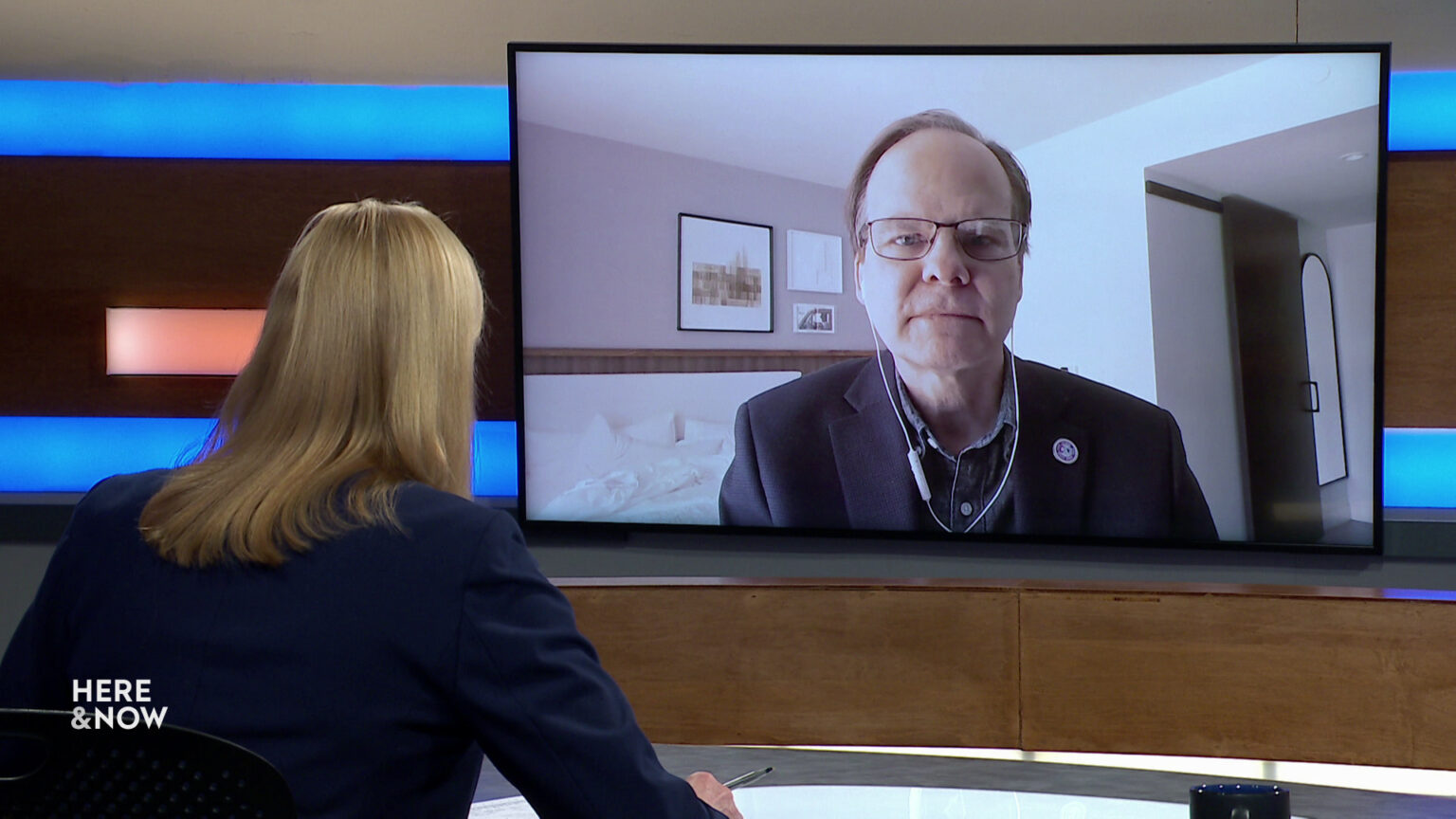
Frederica Freyberg and Tom Content (Credit: PBS Wisconsin)
Data centers use large amounts of energy to operate, and Tom Content of the Citizens Utility Board spoke about state regulators ruling to limit costs for consumers. The U.S. Food and Drug Administration is proceeding with applications to approve the use of hallucinogenic drugs like psilocybin in the treatment of depression and other disorders — UW-Madison Center for Psychedelic Research Director Paul Hutson explained these therapies.
Tom Content
Executive director, Citizens Utility Board of Wisconsin
- The Public Service Commission of Wisconsin approved a rate plan for We Energies that would prevent existing electricity customers from subsidizing the costs of data centers. The Citizens Utility Board said the rate case over data center energy costs was the most significant the organization has ever been involved in – involving billions of dollars that could have been passed on to electricity customers. Pointing to a Marquette Law School Poll released on March 24, Content said there are multiple reasons the proliferation of data centers in Wisconsin engaged consumers to lobby the state in a way that other rates cases have not.
- Content: “It’s, I think, a combination of fear of concerns about rising energy costs, because we’ve already come into this period with rising energy costs that have risen at rates higher than inflation, paired with the local community reaction and basically the Wisconsin reaction, as noted in the Marquette polls to data centers. And, you know, the Marquette poll that just came out showed a lot more clarity about where Wisconsinites stand about data centers than it showed about who’s running for governor. And they — by a 2-to-1 margin, people said that costs of data centers outweigh the benefits. And I think layered into that is fear of AI and what it’s — what the impacts of AI are on the economy and society down the road. I think that played into it too.”
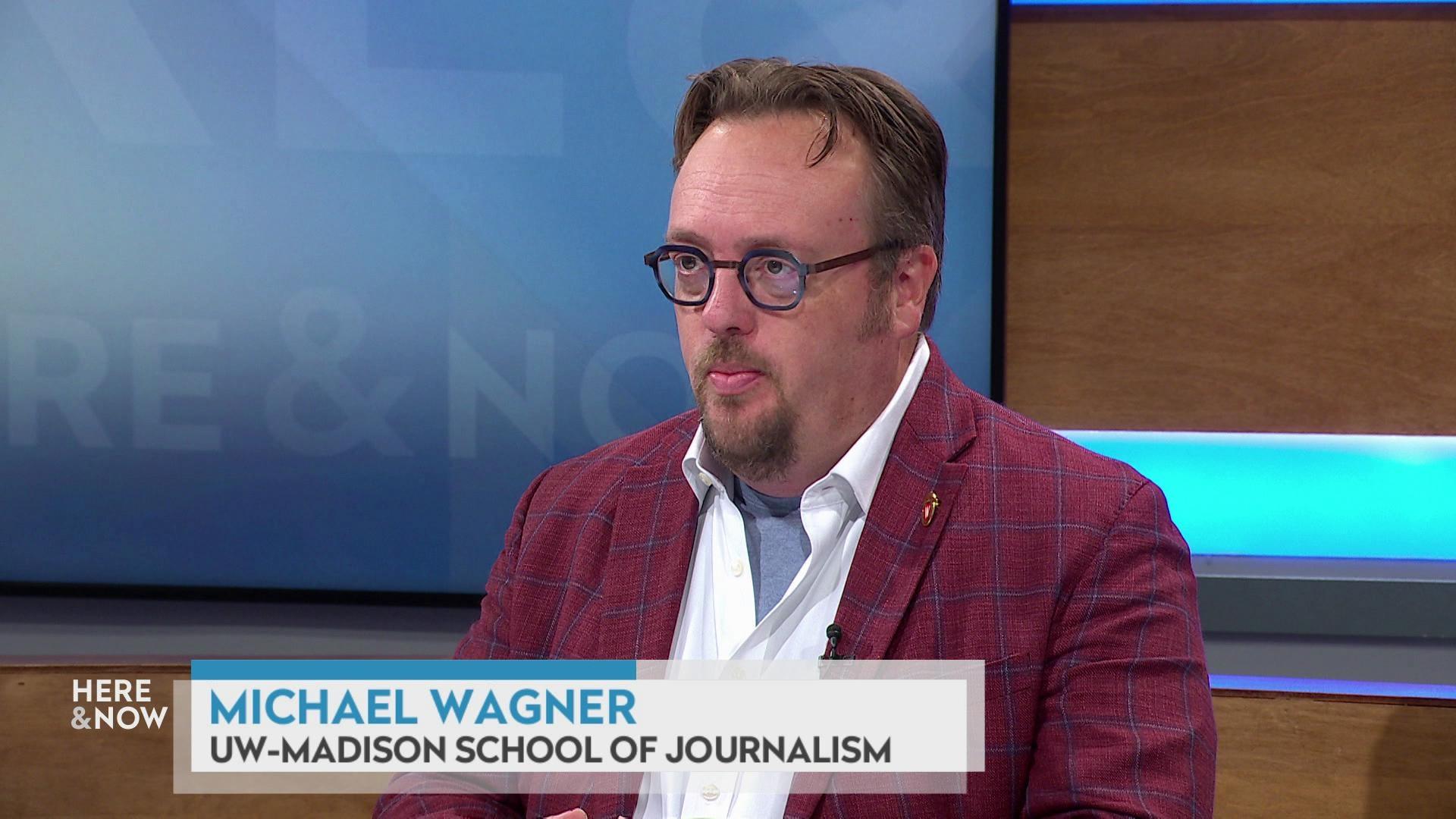
Paul Hutson
Professor and Director, UW-Madison Center for Psychedelic Research
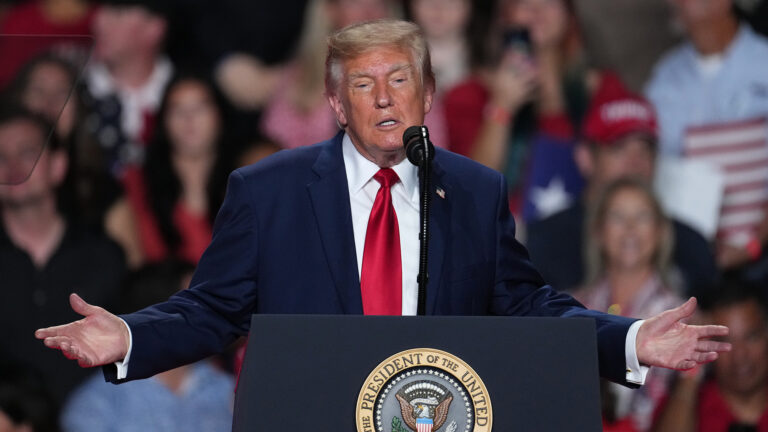
- The federal government is fast-tracking research and access to psychedelic compounds for the treatment of mental health disorders after President Donald Trump issued an executive order that calls for the U.S. Food and Drug Administration to review clinical use. Researchers at UW-Madison have been dosing test subjects with hallucinogenic drugs like psilocybin to better understand why they work as treatments. Hutson spoke to the promise of psychedelics.
- Hutson: “It’s amazing, quite honestly, what the effects of one dose of psilocybin seem to have. We see some really remarkable results in the individuals with depression, sometimes treatment-resistant depression, and that can occur within 24 hours. And it seems to be durable in many individuals. Not all, not everybody responds like that, just like any medication. We also see in our own work with methamphetamine — but also other institutions looking at alcohol, tobacco, cocaine — some really remarkable rapid responses in terms of decreased uses of these drugs of abuse.”
Watch new episodes of Here & Now at 7:30 p.m. on Fridays.





Follow Us