

 Passport





Derek Handley on racial covenants harming Black Milwaukeeans
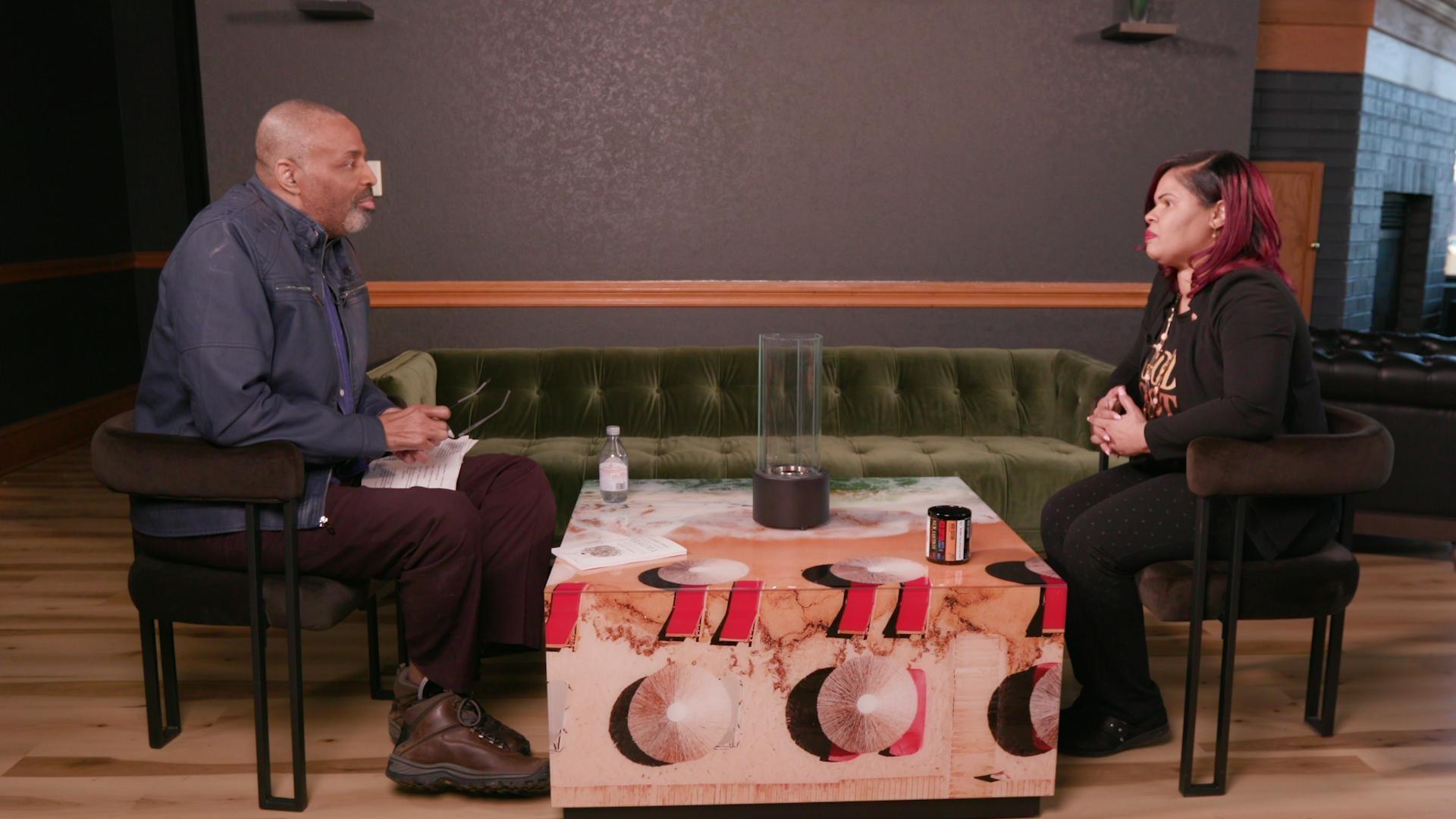
UW-Milwaukee professor and Mapping Racism and Resistance director Derek Handley describes the different ways Milwaukee's Black community has been historically targeted when seeking for places to live.
By Murv Seymour | Here & Now
December 10, 2025 • Southeast Region


Derek Handley on the ways Milwaukee's Black community has been historically targeted.
VIDEO TRANSCRIPT
Derek Handley:
The Black community, in many ways, was targeted and folks were not able to get loans to improve their homes. Over a period of time, this notion of blight — and then later in the '50s and '60s, you have urban renewal to rid of blight. And it's coming into these Black communities. You look at the same house, you look at the same, perhaps same developer, the same architecture of a house in one part of Milwaukee, in the North side or something. And you look at that house in Wauwatosa or in Shorewood, and the price is hundreds of thousands dollars different. So those African Americans who bought into this idea of work hard, pull yourself up by your bootstraps, if you will, do all the right things, and maybe even serve in World War II or something, and you try to get a loan. And the GI Bill is really the GI Bill for white people, right? You can't buy a house in a neighborhood where you want to live, and so the neighborhood you are in over a period of time becomes overcrowded. Because you can't live anywhere else, those who are landlords can charge whatever amount they want, because they know that there is no competition. You can't go out and buy a house in Whitefish Bay or Wauwatosa. So, over a period of time, this taking of wealth and preventing Black people to pass on generational wealth has a concrete effect — I think that is showing itself today. So, this was part of a larger system.
Video Interviews
More Social Issues
Our Partners




PBS Wisconsin is a service of the Wisconsin Educational Communications Board and the University of Wisconsin-Madison. © 2026 All Rights Reserved.
Follow Us