






Steve Vavrus on climate change and impacts to tribal nations
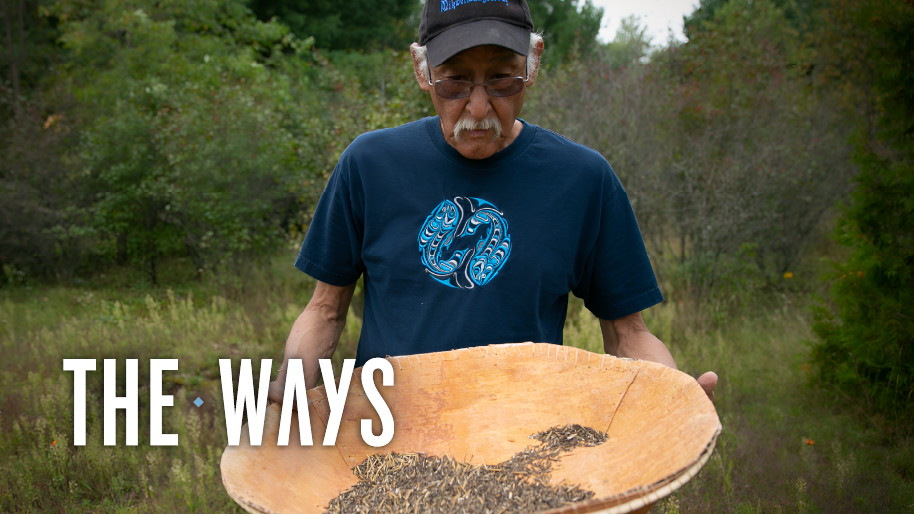
Wisconsin Initiative on Climate Change Impacts co-director Steve Vavrus describes how variations in weather patterns affect cultivation of manoomin — wild rice — on tribal lands around the state.
By Frederica Freyberg | Here & Now
April 29, 2026
Steve Vavrus on how variations in weather patterns affect cultivation of manoomin.
VIDEO TRANSCRIPT
Frederica Freyberg:
Your assessment says that underserved and tribal nations bear disproportionate climate burdens. How so?
Steve Vavrus:
Yeah, so tribes face some unique challenges from climate change. One example is that some of their cultural practices are very threatened. An example of that is manoomin or wild rice harvesting. It turns out that wild rice is very sensitive to weather and climate variations. Wild rice requires a very narrow temperature range to be healthy, and very steady water levels, and our variable climate patterns of late have made that difficult. Another reason they face challenges is simply because the tribal lands are generally geographically fixed. The reservation boundaries — the ceded territory boundaries — those were established many, many years ago, and they're not going to change even though the climate on those tribal lands has changed already and will likely change more in the future.
Passport


Follow Us