

 Passport




'Here & Now' Highlights: Zara Fakhri, Ali Soltani, Jason Stein
Here's what guests on the June 19, 2026 episode said about a peace agreement between the U.S. and Iran and a Milwaukee County projected deficit.
By Frederica Freyberg | Here & Now
June 22, 2026


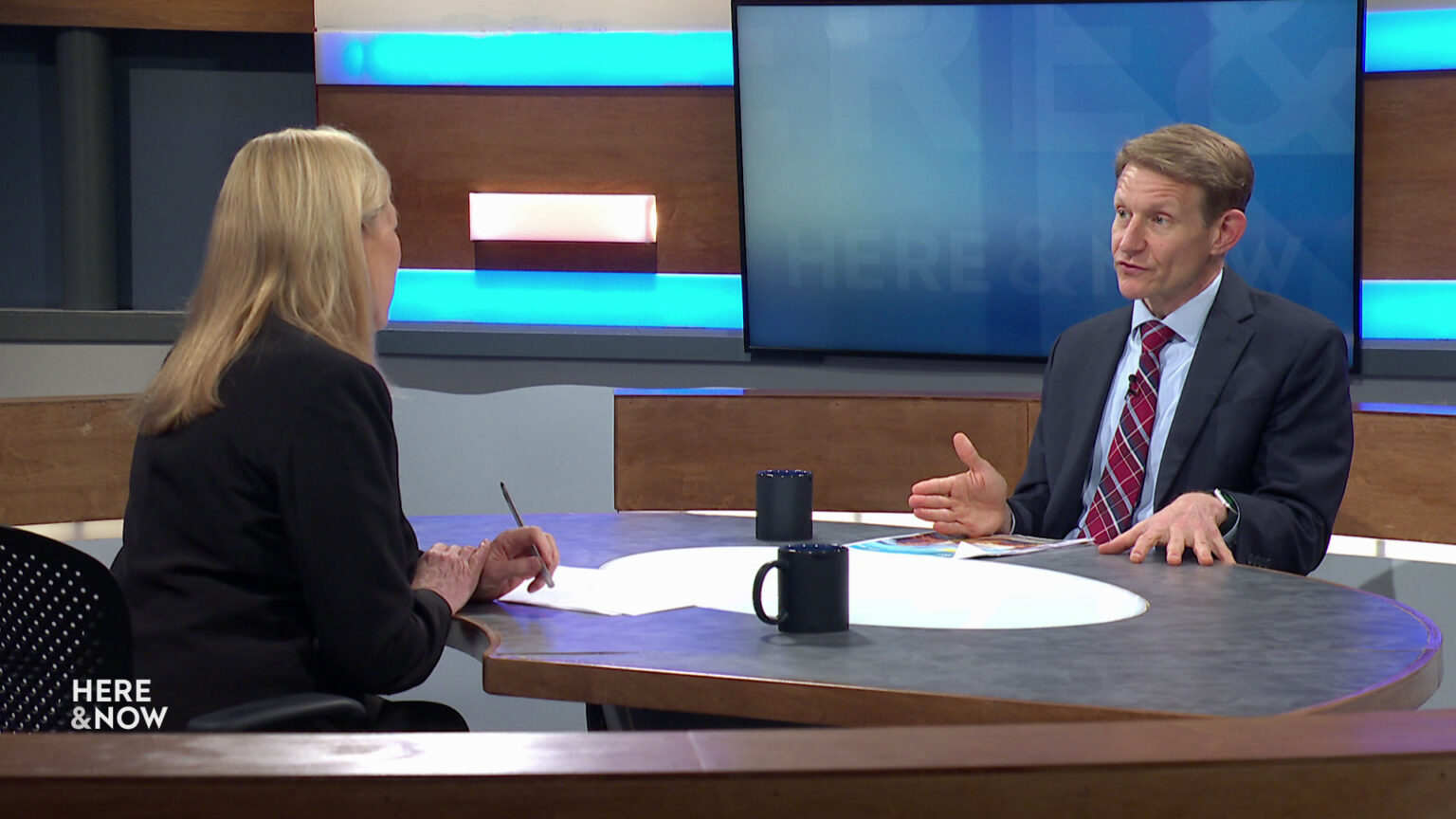
Frederica Freyberg and Jason Stein (Credit: PBS Wisconsin)
The signed understanding between the U.S. and Iran is being met with support in some quarters and deep skepticism in others. Zara Fakhir and Ali Soltani are Iranians who have lived and worked in Wisconsin for years but maintain close ties with their country. They shared their views of the war agreement. Milwaukee County faces staggering deficits in coming years. Wisconsin Policy Forum President Jason Stein explained the drivers of the shortfall.
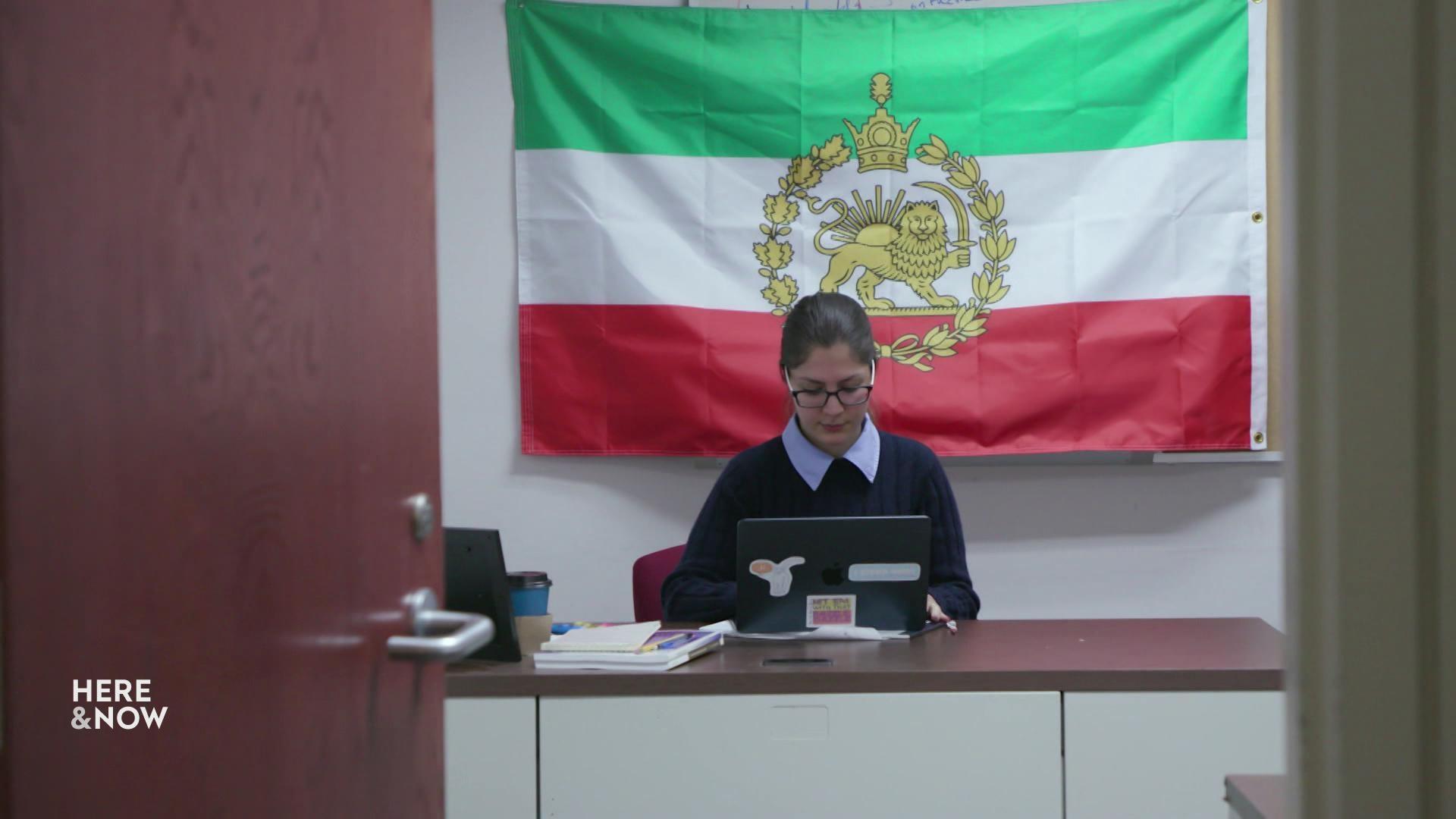
Zara Fakhri
UW-Milwaukee Iranian Student Association
- Fakhri said she is highly skeptical of the signed agreement because she doesn’t believe the Islamic Revolutionary Guard Corps and the Iranian regime are acting in good faith.
- Fakhri: “We do not trust them, we do not believe in them, and we are not seeing any progress because for 47 years they have shown themselves. So we also do not believe that it’s a real agreement.”
Ali Soltani
Iranian American Community of Wisconsin
- Soltani said there is widespread opposition to the regime in Iran and that the population has long wanted to build a democratic government instead.
- Soltani: “The nature of this regime has not changed, whether what they’re doing is the result of basically military pressure. So they welcome war, they want war, they want crisis, they wanted these kinds of things to suppress the internal aspirations of the Iranian people.”
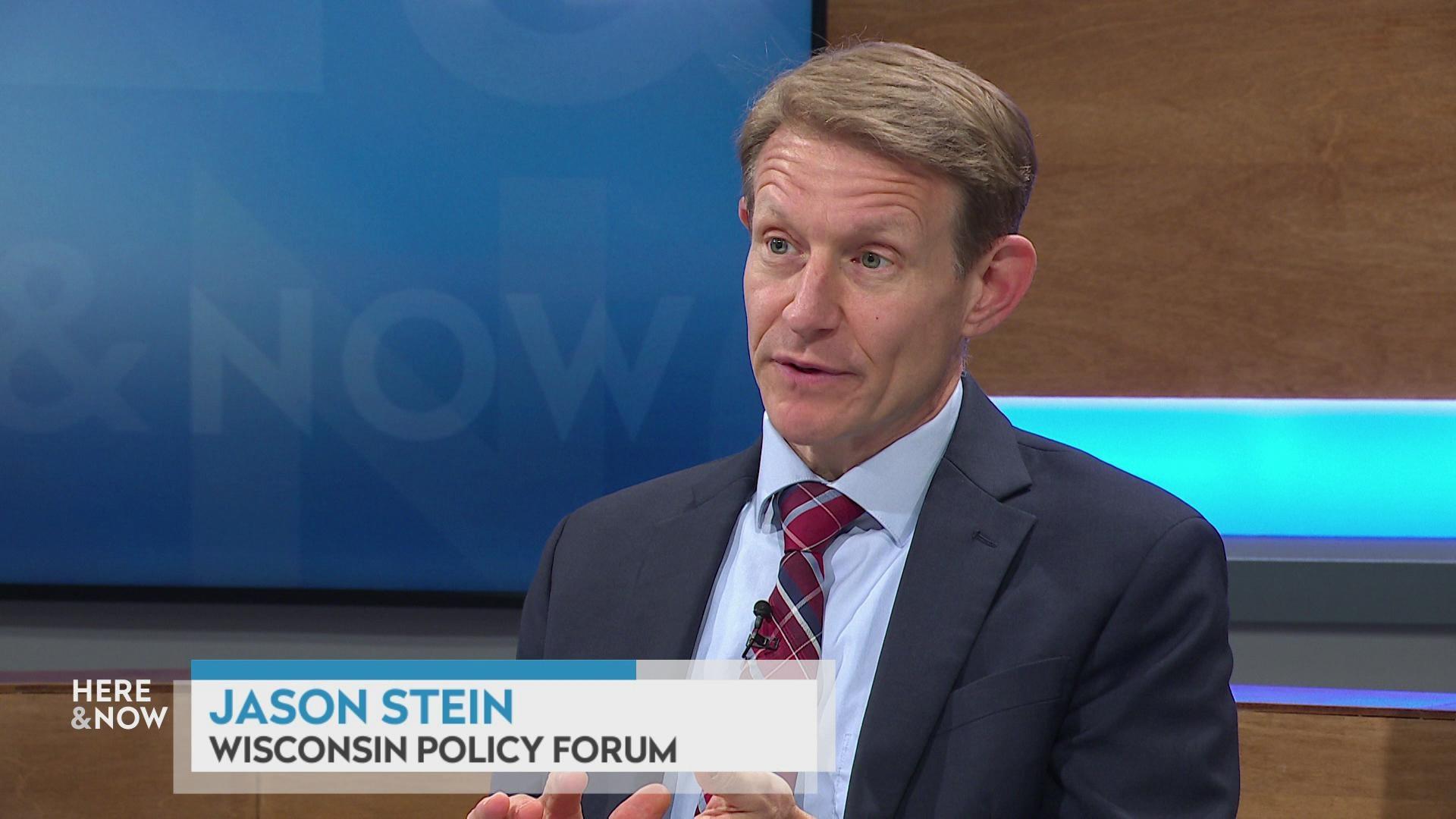
Jason Stein
President, Wisconsin Policy Forum
- Milwaukee County is projected to have a $50 million deficit next year and a nearly $170 million shortfall in five years if measures to cut costs or raise revenues are not taken. Stein described how costs outstrip budget balances.
- Stein: “There are a number of discretionary challenges that the county has. The county also has its transit program, which is facing a big challenge in 2027 because it’s finally exhausted the federal pandemic aid, which stuck around a little bit longer for transit operations than in other parts of government. So that’s a challenge. It has a county courthouse that it needs to replace — that’s nearly a half a billion dollar project. Then you talk about something like that amount in deferred maintenance to its park system. So it has a lot of generational challenges that are still pressing it pretty strongly.”
- Stein: “So how does the county stave off these deficits? I mean I think when you have a challenge of this size you’re going to have to look on the cost side and the revenue side. So the challenge on the cost side is that the county has really had twenty years now of making cuts and trims and other things but you know they’re going to have to look in transit, they’re gonna have to look across their system to try and find some savings, and then at the same time they’re probably gonna have find revenues, whether that’s from the state, whether it’s from increasing their vehicle registration fee, whatever it happens to be that they can do, because there aren’t a lot of levers they can pull.”
Watch new episodes of Here & Now at 7:30 p.m. on Fridays.





Follow Us