

 Passport





'Here & Now' Highlights: Don Millis, Paula Drew
Here's what guests on the June 5, 2026 episode said about how the U.S. Postal Services handles absentee ballots and loss of subsidies for child care providers.
By Frederica Freyberg | Here & Now
June 8, 2026


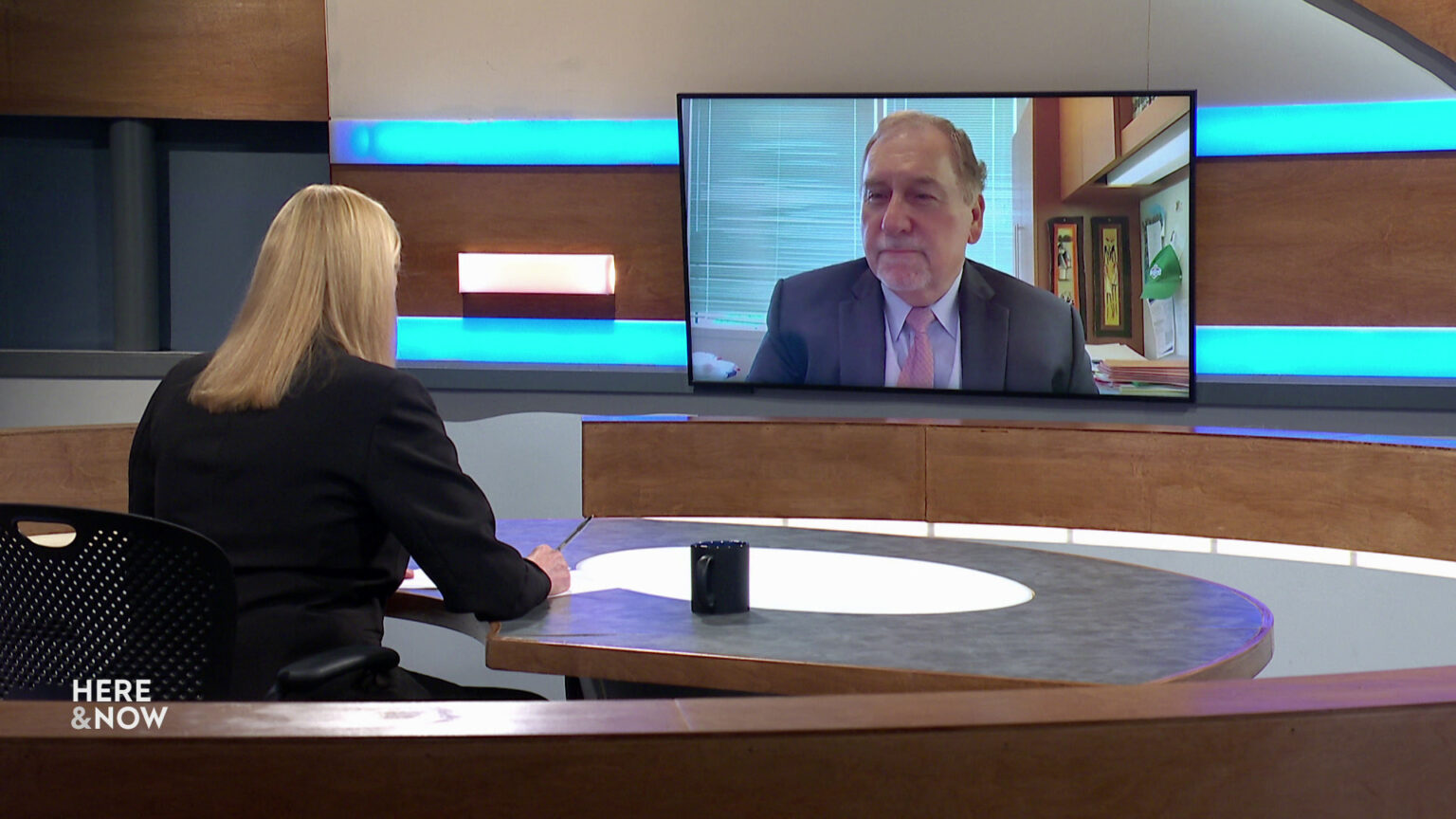
Frederica Freyberg and Don Millis (Credit: PBS Wisconsin)
Local election clerks around Wisconsin have reported delays in the mail delivery of absentee ballots in the spring election — Wisconsin Elections Commission Chair-elect Don Millis shared their response to the U.S. Postal Service. The Wisconsin Early Childhood Association’s Paula Drew discussed a survey of child care providers that shows dire consequences due to the elimination of stabilization funding.
Don Millis
Commissioner, Wisconsin Elections Commission
- Members of the Wisconsin Elections Commission worry about the timely mail delivery of absentee ballots after clerks statewide reported delays following the 2026 spring election on April 7. Two-thirds of clerks said they had problems with late delivery. Commissioners wrote a letter to the U.S. Postal Service outlining their concern about “mail delays that threaten the ability of our citizens to exercise their right to vote.” Meanwhile, the Postal Service is proposing a rule to change how it handles absentee ballots, for which commissioners anticipate challenges in court. A Republican appointee to and chair-elect of the commission, Millis described why the seven-member group sent their letter.
- Millis: “It was so bad, that when the commission staff sent out a questionnaire to clerks, they got an overwhelming and historic response from clerks. Typically, clerks don’t respond. There was a huge, huge concern. The staff have met with the postal service officials. We are trying to get what’s known as enhanced delivery procedures that they would agree to when we have elections. This would mean, for example, that when you put a, return a ballot to Madison or Grafton or Eau Claire, it wouldn’t have to go to Milwaukee or Minneapolis. It would go straight to the clerk. And so those are things we’re working on.”
Paula Drew
Director of Policy and Research, Wisconsin Early Childhood Association
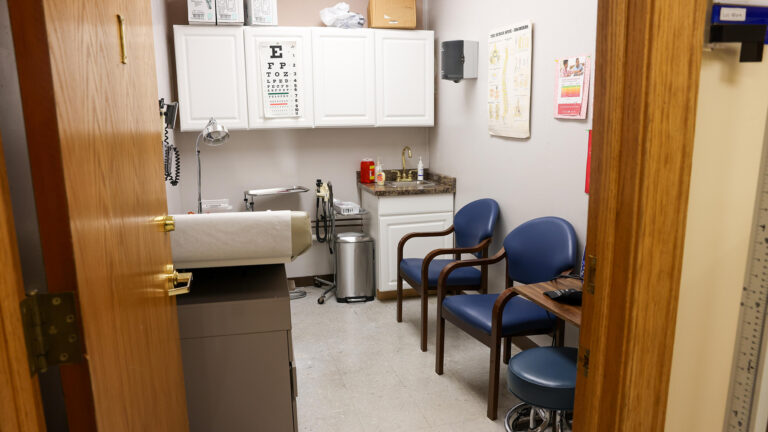
- The last of federal COVID-era stabilization funding for child care providers in Wisconsin expires at the end of June. A survey conducted by the Wisconsin Early Childhood Association found that three-quarters of providers intend to raise tuition as a result of the end to these Child Care Bridge Payments, and a quarter of providers said they are likely to close. Drew said child care providers estimated average tuition hikes would be at least $25 a week, or as much as between $2,000 and $3000 per year.
- Drew: “I think families around the state right now are sitting around tables like this, asking themselves, does it make sense for one of us to keep working? If it makes sense, should we work part time instead of sending our child to a licensed child care program down the street? Perhaps we should entertain a grandparent, a neighbor, because the cost of care is just becoming unaffordable to the point where those who have the means to access it will, and those that don’t simply will be sort of priced out of the market.”
Watch new episodes of Here & Now at 7:30 p.m. on Fridays.






Follow Us