

 Passport



Waadookodaading
01/01/15 | 4m 47s | Rating: NR
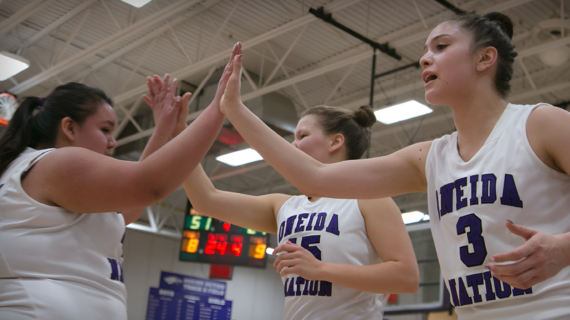
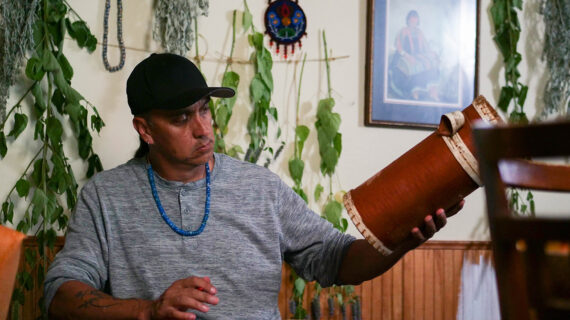
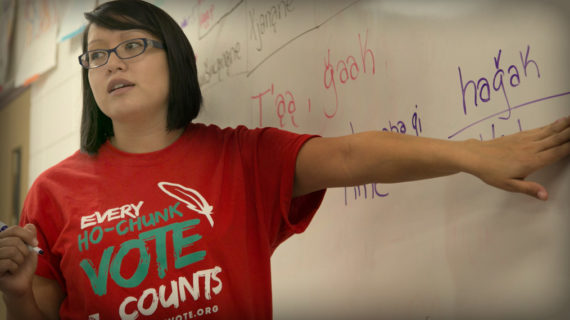
Waadookodaading, “a place where people help each other,” is an Ojibwe immersion school that integrates the tradition of sugaring into the curriculum. Learn how Keller Paap, a teacher, and Brooke Ammann, the school director, demonstrate the importance of students learning the Ojibwe language in this way.


Educator resources with standards alignment and extension activities are available on the PBS Wisconsin Education website.
Related Stories from PBS Wisconsin's Blog

Donate to sign up. Activate and sign in to Passport. It's that easy to help PBS Wisconsin serve your community through media that educates, inspires, and entertains.
Need some help? Go to FAQ or visit PBS Passport Help
Need help accessing PBS Wisconsin anywhere?

Visit our Live TV Access Guide
Online Access | Platform & Device Access | Cable or Satellite Access | Over-The-Air Access
Visit Access Guide
Online Access | Platform & Device Access | Cable or Satellite Access | Over-The-Air Access
Visit Access Guide
Need help accessing PBS Wisconsin anywhere?
Visit Our
Live TV Access Guide
Online AccessPlatform & Device Access
Cable or Satellite Access
Over-The-Air Access
Visit Access Guide




Follow Us