

 Passport






Finding Your Roots: Season Three Preview: Donna Brazile
01/05/16 | 2m 56s | Rating: NR
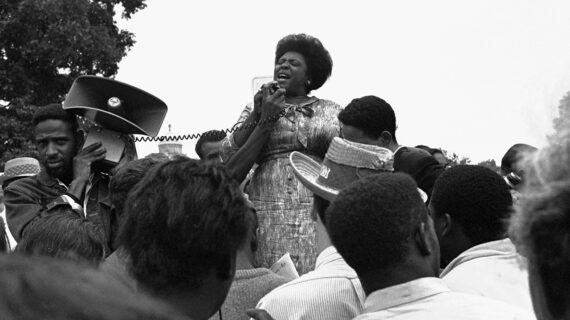
Watch a clip of Finding Your Roots, episode one, "The Stories We Tell," with guest Donna Brazile.


Corporate support for Season 11 of FINDING YOUR ROOTS WITH HENRY LOUIS GATES, JR. is provided by Gilead Sciences, Inc., Ancestry® and Johnson & Johnson. Major support is provided by the Corporation for Public Broadcasting. Support is also provided by Ford Foundation; Gordon and Betty Moore Foundation; Candace King Weir; by the Inkwell Society together with many of its members; and by public television viewers.
Related Stories from PBS Wisconsin's Blog


Donate to sign up. Activate and sign in to Passport. It's that easy to help PBS Wisconsin serve your community through media that educates, inspires, and entertains.
Need some help? Go to FAQ or visit PBS Passport Help
Need help accessing PBS Wisconsin anywhere?

Visit our Live TV Access Guide
Online Access | Platform & Device Access | Cable or Satellite Access | Over-The-Air Access
Visit Access Guide
Online Access | Platform & Device Access | Cable or Satellite Access | Over-The-Air Access
Visit Access Guide
Need help accessing PBS Wisconsin anywhere?
Visit Our
Live TV Access Guide
Online AccessPlatform & Device Access
Cable or Satellite Access
Over-The-Air Access
Visit Access Guide




Follow Us