

 Passport





Wisconsin and other states reject federal antitrust settlement with Live Nation
The U.S. Department of Justice says it's reached a settlement in its antitrust lawsuit against Ticketmaster and its parent company Live Nation Entertainment, but Wisconsin and about two dozen other states aren't joining the deal and say they'll continue pursuing a trial in federal court.
Associated Press
March 10, 2026


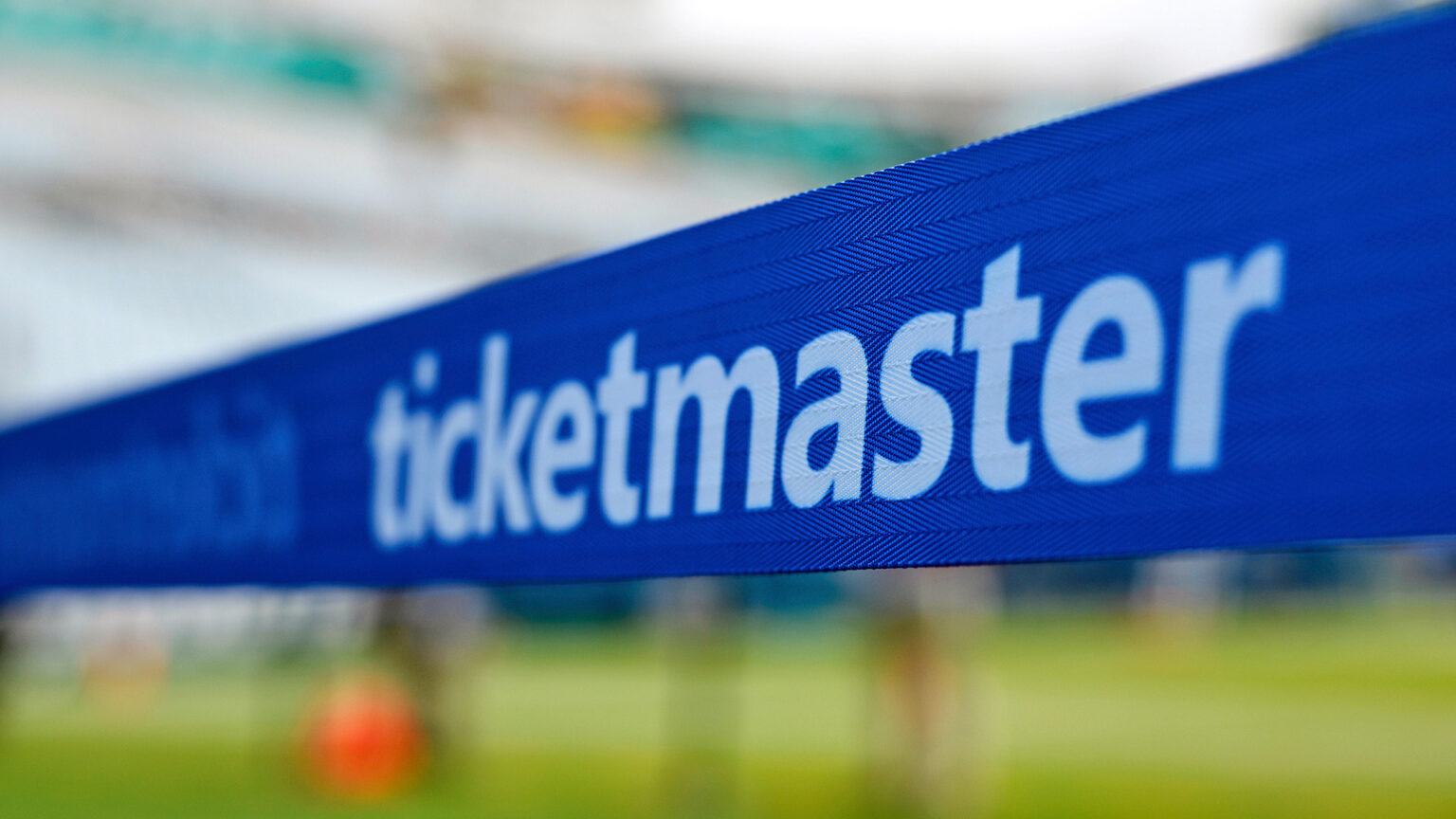
The Ticketmaster logo is printed on a belt barrier placed along the sideline of a field before an NFL football game on Sept. 15, 2024, in Jacksonville, Florida. (Credit: AP Photo / Phelan M. Ebenhack, File)

WASHINGTON (AP) — The Justice Department touted a tentative settlement of its antitrust lawsuit against Ticketmaster and parent company Live Nation Entertainment on March 9 as a victory for consumers that would end an illegal monopoly over live events in America, but over two dozen states planned to keep fighting the companies in court.
The negotiations leading up to the agreement drew criticism from the judge who would have to approve any deal as soon as a government lawyer revealed it in Manhattan federal court, where an antitrust trial began last week. Throughout the day, various state attorneys general issued statements criticizing the agreement.
A “term sheet” spelling out details of the pact said Live Nation had agreed to let venues reach deals that would let a certain portion of tickets be sold by entities other than Ticketmaster. It also would let up to 50% of all tickets to be sold through any ticketing marketplace at amphitheaters that Live Nation owns, operates or controls.
The term sheet also called for Ticketmaster to cap its service fees at those amphitheaters at 15% and to divest ownership or control of 13 amphitheaters, including venues in Milwaukee, Cincinnati, Syracuse, New York, and Austin, Texas. It said Live Nation will create a $280 million settlement fund to settle claims or pay civil penalties to states.
The settlement includes an eight-year extension of the company’s consent decree with the Justice Department, enabling continuing oversight.
Deal draws praise from Justice Department official but criticism from states
A senior Justice Department official spoke effusively of the looming settlement on the condition of anonymity on March 9 during a phone call with journalists under terms set by the department to release some information about the proposed settlement. At least 10 states were expected to join the deal, the official said.
The official called it a “win-win for everybody,” bringing immediate relief to consumers and protecting venues from retaliation when they choose Live Nation’s competitors to handle tickets or promote events.
In a statement, Live Nation Entertainment said it was pleased with a settlement that will let other promoters have increased access to multiple markets.
“We have never relied on exclusivity to drive our ticketing business, it has simply been the result of having the best products, services and people in the industry,” said Michael Rapino, president and CEO of Live Nation.
The process leading to the deal brought immediate criticism from Manhattan Judge Arun Subramanian, who called it “entirely unacceptable” that nobody told him what was going on until late on March 8, even after the term sheet was signed on March 5.
States say the deal won’t break up a monopoly
New York Attorney General Letitia James said in a statement that the pact “fails to address the monopoly at the center of this case.”
“My attorney general colleagues and I have a strong case against Live Nation, and we will continue our lawsuit,” James said.
A release containing her statements said other states rejecting the settlement included Arizona, California, Colorado, Connecticut, Illinois, Kansas, Maryland, Massachusetts, Michigan, Minnesota, Nevada, New Hampshire, New Jersey, New Mexico, North Carolina, Ohio, Pennsylvania, Rhode Island, Tennessee, Utah, Vermont, Virginia, Washington, Wisconsin, Wyoming and the District of Columbia.
North Carolina Attorney General Jeff Jackson called the agreement “a terrible deal” that was hidden from the states until the last minute.
“This case is about Live Nation and Ticketmaster harming consumers, trapping artists, and driving up ticket prices. We will see them back in court, shortly,” he said.
Washington State Attorney General Nick Brown said the bipartisan group of state attorneys general who joined the Justice Department’s lawsuit in May 2024 would continue because the “case against Live Nation is strong, and the state coalition is committed to holding the company accountable for its illegal behavior, protecting consumers and restoring competition to this market.”
A $280 million fund to pay states is criticized as too little
Stephen Parker, executive director of the National Independent Venue Association, said in a statement that the $280 million settlement fund represented about four days of Live Nation’s 2025 revenue.
“They could potentially make it back by this Friday,” Parker said, speaking for thousands of independent venues, festivals and promoters nationwide.
“The reported settlement does not appear to include any specific and explicit protections for fans, artists, or independent venues and festivals,” he said, calling the agreement “a failure of the justice system.”
Adam Gitlin, a lawyer for the District of Columbia, told Subramanian that several states had not decided what they would do, including Florida, Louisiana and Texas, which he said had expressed “serious concerns” about the deal.
In court, Subramanian told jurors of the agreement, saying the trial would resume in mid-March with some states pressing the claims first brought under President Joe Biden’s administration in 2024.
The settlement also drew criticism from U.S. Sen. Amy Klobuchar, a Minnesota Democrat and member of the Senate Judiciary Subcommittee on Privacy, Technology and the Law. She said the only way to end Live Nation’s monopoly is to break up the company.
“The Justice Department’s previous agreements with Live Nation failed because they did not change its incentives to enrich itself over fans, artists, and venues. Today’s settlement appears to be more of the same,” she said in a statement.
She praised states for opposing the deal and said it was “troubling” that the deal was announced a month after the head of the Justice Department’s antitrust division was ousted.
Trial set to resume for states unwilling to settle
Now, states will be left to press claims that Live Nation was squelching competition and driving up prices for fans through threats, retaliation and other tactics to “suffocate the competition” by controlling virtually every aspect of the industry, from concert promotion to ticketing.
The states accuse Live Nation of engaging in a slew of practices to maintain a stranglehold over the live music scene. They say the company uses long-term contracts to keep venues from choosing rival ticketers, blocking venues from using multiple ticket sellers and threatening venues that they could lose money and fans if they don’t choose Ticketmaster.
Live Nation has maintained that artists and teams set prices and decide how tickets are sold.
Ticketmaster and Live Nation Entertainment, based in Beverly Hills, California, have a long history of clashes with major artists and their fans, including Taylor Swift and Bruce Springsteen.
Ticketmaster, which was established in 1976 and merged with Live Nation in 2010, is the world’s largest ticket seller across live music, sports, theater and more.
Neumeister reported from New York.





Follow Us