

 Passport



Tom Tiffany on issues in Wisconsin's 2026 governor's race
U.S. Rep. Tom Tiffany, R-7th Congressional District, discusses issues central to the 2026 election for Wisconsin governor, from data centers to education funding and tax policy to housing costs.
By Zac Schultz | Here & Now
January 7, 2026


Tom Tiffany on issues from data centers to education and tax policy to housing.
VIDEO TRANSCRIPT
Zac Schultz:
What's your view of tariffs and the tariff policy at the federal level?
Tom Tiffany:
I'm hoping that it will settle down now and we've seen various tariff proposals go back and forth. I mean, it's very, very important that for a manufacturing state like Wisconsin that we be able to be compete on the worldwide stage, 'cause we've lost too much of our manufacturing here in Wisconsin and across America. So, bringing some of that back is really important and that was the goal with the tariffs policy. But I think now you want to see it settle down because it does lead to some uncertainty, and you want to pull that uncertainty out. I'm hoping that we are in a better place now, especially with some of the reinvestment that is, I mean, we've seen some companies announce major investments here in America.
Zac Schultz:
As governor, there's a good chance you'd have a Republican Legislature behind you. What's your AB 1? What's the first bill you want to sign?
Tom Tiffany:
Boy, you know, I don't think we have any choice at this point, but we got to deal with education. I just saw some data this week where almost half of first graders cannot read at grade level. We have fallen behind Mississippian education. That is unacceptable. I don't care if you're Republican, Democrat or whatever political persuasion. We have always had a long, proud tradition of educating children well, and we've got to get that back, otherwise our state cannot succeed. But I think next is the cost of living, and it is getting the cost of energy down, reducing taxes, things like that that make Wisconsin more affordable. I think one of the major things that I'm going to roll out is a red tape reset, because it doesn't matter whether you have a daycare or any other kind of business. We are so overregulated in Wisconsin. That costs a lot of money and that overregulation is oftentimes duplication.
Zac Schultz:
Conversely, there's a chance as governor, you could have Democratic control of one of the chambers. What's your track record of working across the aisle?
Tom Tiffany:
So, I've done bills when I was in the Legislature and as well as in Congress working on a bipartisan basis, and we're going to try to do the same thing. The thing that I won't get away from is my principles though, and number one is we got to make sure that we have balanced budgets. We cannot spend too much money. The second thing is we got to do a better job with our educational system — public, private, parochial, homeschool, whatever. Every kid in Wisconsin should expect to get a good education regardless of their ZIP code. Then we have to reduce regulations in Wisconsin, because it is costing us so much money. We're the second highest regulated state in the Midwest next to Illinois, and anytime we are compared to Illinois, we're in the wrong spot.
Zac Schultz:
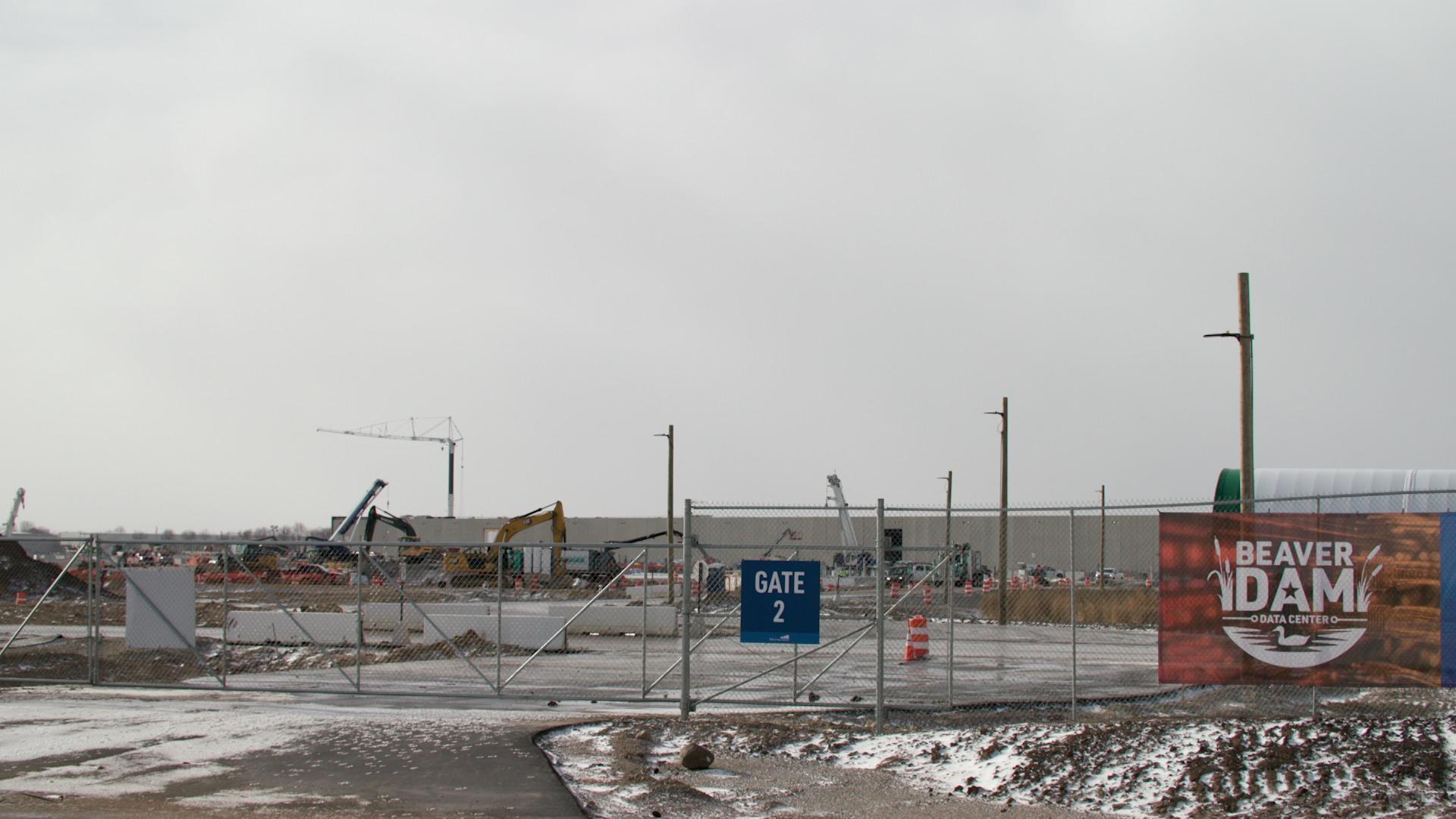
The Public Service Commission is looking at utility rate hikes and data centers are being proposed all over the state. What's your policy on those issues?
Tom Tiffany:
So, in regards to energy, we need an all-of-the-above approach and we got to bring energy prices down. We used to be the second lowest in the Midwest, like, 20 years ago. We are now the second highest, and that is hitting people in the pocketbook. It's one of the things that I really disagree with the Evers administration, where we have $2 billion and counting of rate hikes in the time that he's been governor. That hits people every month with their utility bills. We need to bring the cost of energy down — and we can. I think we should embrace nuclear. We should not be closing down base load power plants that we currently have, and we got to make sure that we have affordable energy in order to be able to prosper here in Wisconsin.
Zac Schultz:
And what about data centers?
Tom Tiffany:
Yeah, so in regards to the data centers — exciting new technology. I think we need to make sure on the energy side of it that we do not harm existing rate payers, so residential rate payers and manufacturers. It would be unfair to existing manufacturers, for them to pay much higher electricity rates just because a new industry came in, so we're going to probably have to find a new template if AI and the data centers specifically come into Wisconsin. We're probably going to have to find a new template of how we deal with energy and the data centers.
Zac Schultz:
You mentioned public education before. Does that include new investment or is it an overhaul of regulation? What needs to happen specifically?
Tom Tiffany:
So, I would be fine if we put more money into education. In fact, I expect that we will, but we need to make sure that it goes to children and families. We should pay good teachers more and I think we should reward administrators that are successful in their schools. We have to get back to where we reward success in education, and I think that's one of the way we fix this problem of us falling behind Mississippi. I'm not adverse to putting more money in, but there has to be accountability.
Zac Schultz:
What about the voucher system? What do you wanna see happen with that?
Tom Tiffany:
You know, we've had choice in Wisconsin and it's worked for thousands of families across the state of Wisconsin. We should continue to have that program, but I'm a product of public schools as well as my seven brothers and sisters. All three of my daughters went to public schools up in the Minocqua area, and public schooling has a long, proud history in Wisconsin. We need to make sure that we have a strong private, public and parochial system. Regardless of how you choose to educate, we've got to make sure we have a strong educational system. I think it's important to remember I have a little bit of a different perspective than perhaps some Republicans on this, having grown up in a small town where your school is the, that public school is the only place you're going to get an education. We got to make sure our public schools are strong also.
Zac Schultz:
What's your number-one tax reform idea?
Tom Tiffany:
Property taxes. First of all, we need to bring property taxes down. I would get rid of the 400-year property tax increase that Gov. Evers put in place. Talk about death and taxes — that is the 400-year property tax increase, so that should go away immediately, and then we should freeze property taxes. People should be able to afford to stay in their homes, 'cause it is really a problem, especially for young people, to be able to afford to buy a new home and part of that is being able to pay the taxes.
Zac Schultz:
Over the course of the last year, the Wisconsin Supreme Court has eliminated legislative oversight over a lot of the agency rulemaking process. Would you like to see some of that restored?
Tom Tiffany:
I think there should be a balance between the three branches of government, and it's been disappointing to see Gov. Evers and his administration take advantage of that, because that has a long-term, that will do long-term harm to the state of Wisconsin when you do not respect that delineation of authority between the three branches of government. I will respect the three branches of government.
Zac Schultz:
What would you like to see in terms of funding for local municipalities?
Tom Tiffany:
Yeah, well, as a locally elected — I served two terms as a locally elected official. I think we need to make sure that they are well-funded. I think especially on the infrastructure side in regards to roads, 'cause that's oftentimes the biggest thing for local units of government. We need to make sure that they have good funding to be able to maintain their infrastructure, especially roads and bridges.
Zac Schultz:
There are multiple mining exploration projects going on right now in the North Woods. You helped write the mining bill that we have in place. Is that where you'd like to keep it or do you think there needs to be changes to welcome mining?
Tom Tiffany:
I thought we did a good job of writing the last mining bill for two reasons. One is we made sure that we had the toughest mining law in the United States so that we are going to protect the environment. We also provided for local control. I think it's really important for locals to be able to have input in regards to these projects. But this is something, we've got a long, great history, I mean, we have a miner on our flag, right, and we have a long, proud history of mining here in Wisconsin. When you look at — we talked about data centers earlier — when you look at wind and solar, it takes, what is it, 7,000 pounds of copper in a typical wind turbine. If we're going to have these alternate sources of power, we're going to have to mine and we can't just be reliant on China, especially, like, for the rare earths. We're going to have to produce some here in America, and Wisconsin has a very rich endowment. As long as we do it safely, both in terms of the people that work there as well as the environment, I think we should be able to do that.
Zac Schultz:
Do you have any concerns over your own personal safety in this modern political environment?
Tom Tiffany:
You certainly think about it a little bit, especially in light of the assassination of Charlie Kirk and, of course, the attempts on President Trump's life in 2024, where he almost lost his life. So we do think about it more at this point, but I just, I try to tune it out because I'm going to do my job. And Wisconsinites are, almost everyone is really good about this stuff, whether I'm knocking on doors, seeing people, whatever, people are almost always respectful, and I think it's important for us to be out amongst the public. I'm not going to stop doing that just because some people have their lives threatened.
Zac Schultz:
What would you like to see in terms of increasing affordable housing in Wisconsin?
Tom Tiffany:
So, first of all, we need to get control of property taxes — at a minimum freeze them. I would get rid of the 400-year property tax increase, but I think we can do a lot of it via regulatory reform, and I refer to it as a red tape review. You look at the state of Virginia — they did something like this and they reduced their regulations largely by getting rid of duplication by about 25%. They reduce the cost of building a new home by about $24,000. We've seen studies by the Wisconsin Institute for Law & Liberty, where they've said as much as $80,000 goes into the cost of a new home that has nothing to do with building materials. So, I think we can get control of some of that by reducing duplication in regulations. I think also some local communities need to look at their zoning codes, because I'm contacted regularly by local communities, saying, you know, "Can you help us? Affordability is a real problem." I always say to them, "You've got to look at your local zoning code first, because that's where a lot of the cost lies. That has nothing to do with building materials."
Zac Schultz:
We're in the middle of Gov. Evers' plan to overhaul the Department of Corrections and the prison system. Would you carry that forward?
Tom Tiffany:
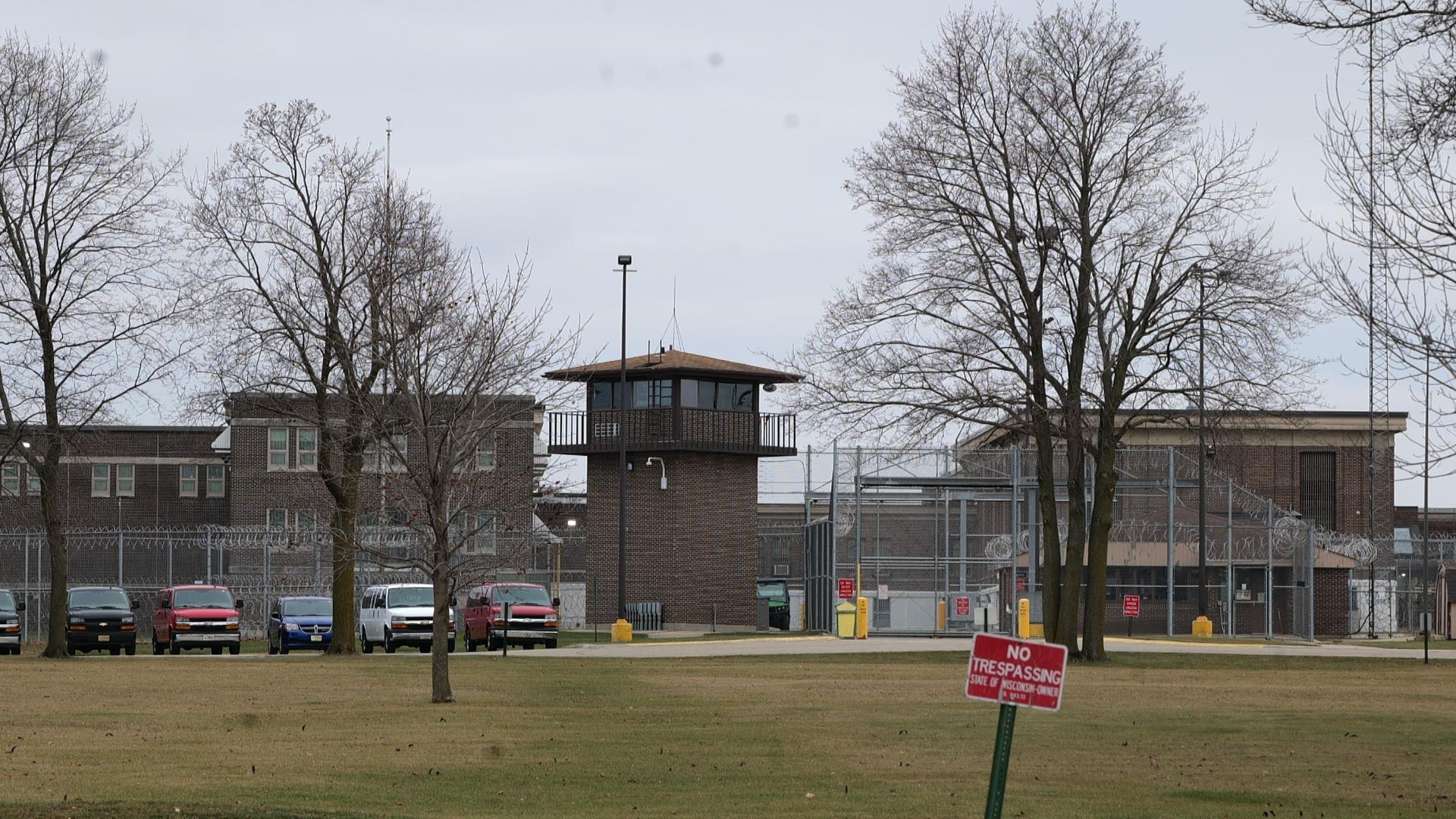
We have to reform the Department of Corrections. Gov. Evers, when he ran against Gov. Walker, he said, "I am going to take care of that, including Lincoln Hills." He has not followed through on it, and when you look at the debacle over in Waupun with — I think there's been a couple deaths over there — I mean, that's unacceptable. We need reform in the Department of Corrections. I will — I don't know that I'll go in the same direction as Gov. Evers, but clearly we have to reform our correctional system.
Zac Schultz:
Would you like to see any changes to Wisconsin's abortion law?
Tom Tiffany:
No. So, I voted for the current law, which, 10 years ago when I was in the state Legislature, which is you can have an abortion up to five months. I voted for that law, and as governor I will uphold it.
Video Interviews
Our Partners




PBS Wisconsin is a service of the Wisconsin Educational Communications Board and the University of Wisconsin-Madison. © 2026 All Rights Reserved.
Follow Us