

 Passport





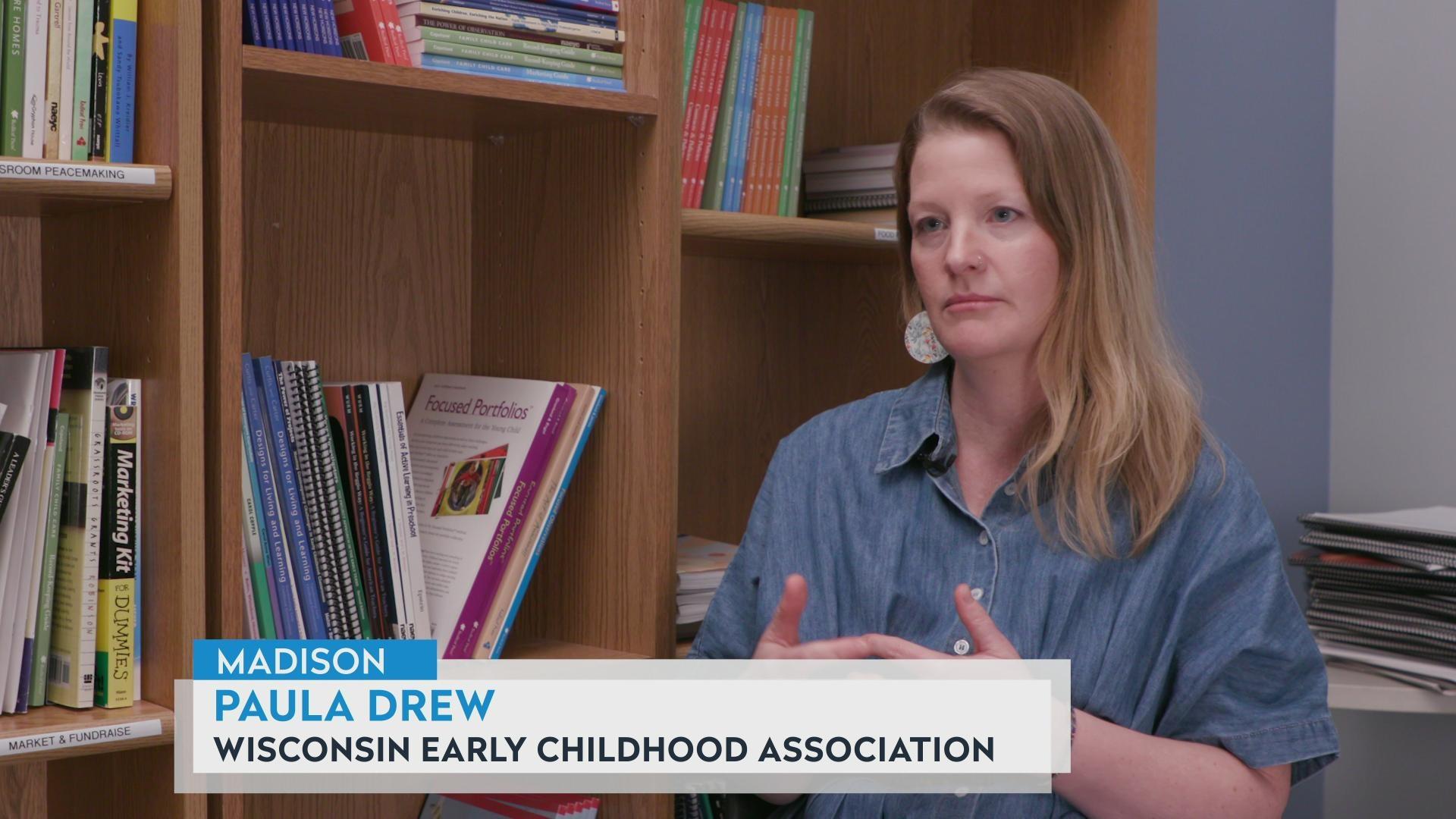
Paula Drew on how young children can learn from older adults
Wisconsin Early Childhood Association Director of Policy and Research Paula Drew considers how activities and interactions with older adults are key to child brain development and ongoing learning.
By Steven Potter | Here & Now
April 6, 2026


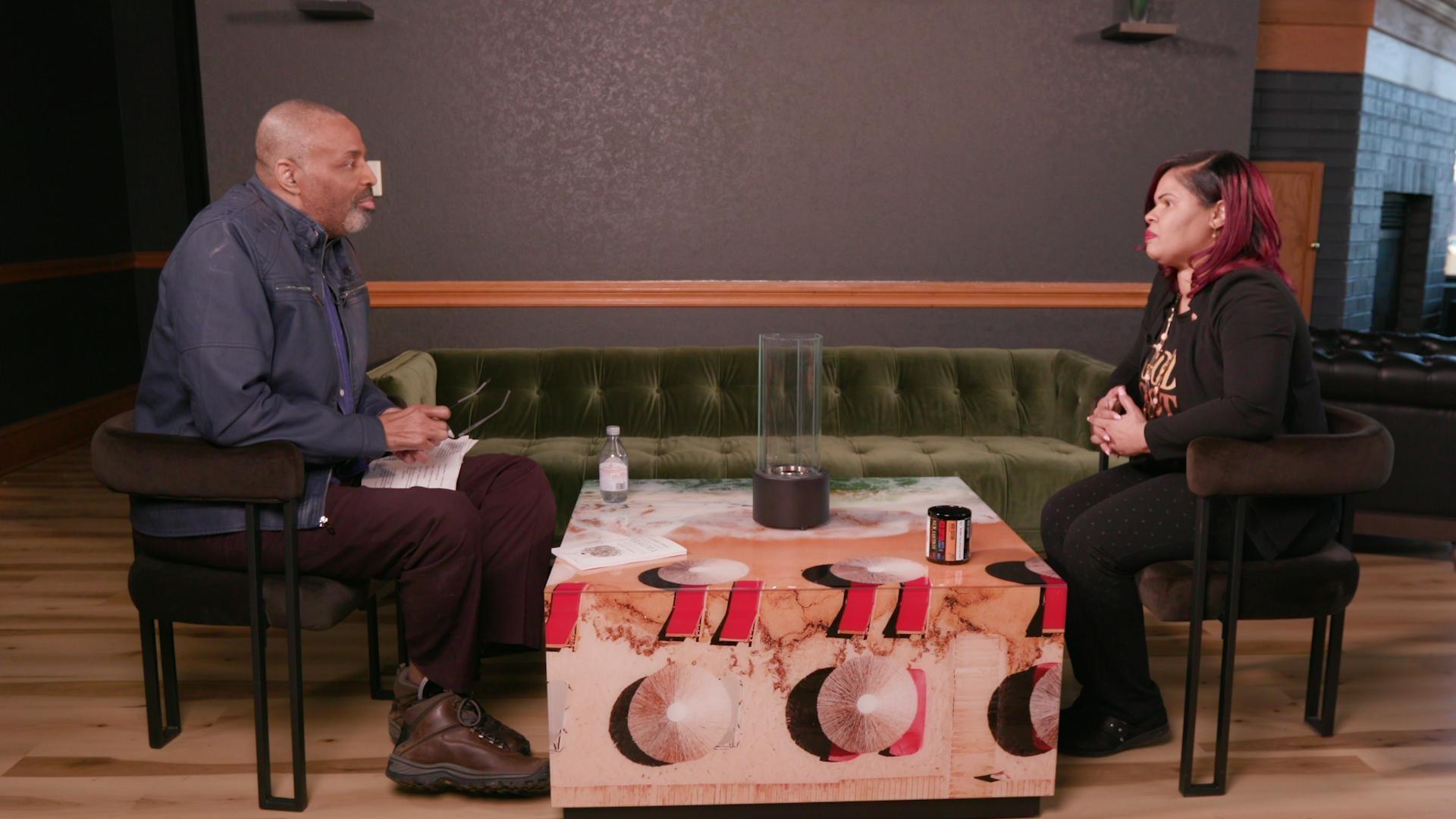
Paula Drew on how interactions with older adults are key to child brain development.
VIDEO TRANSCRIPT
Paula Drew:
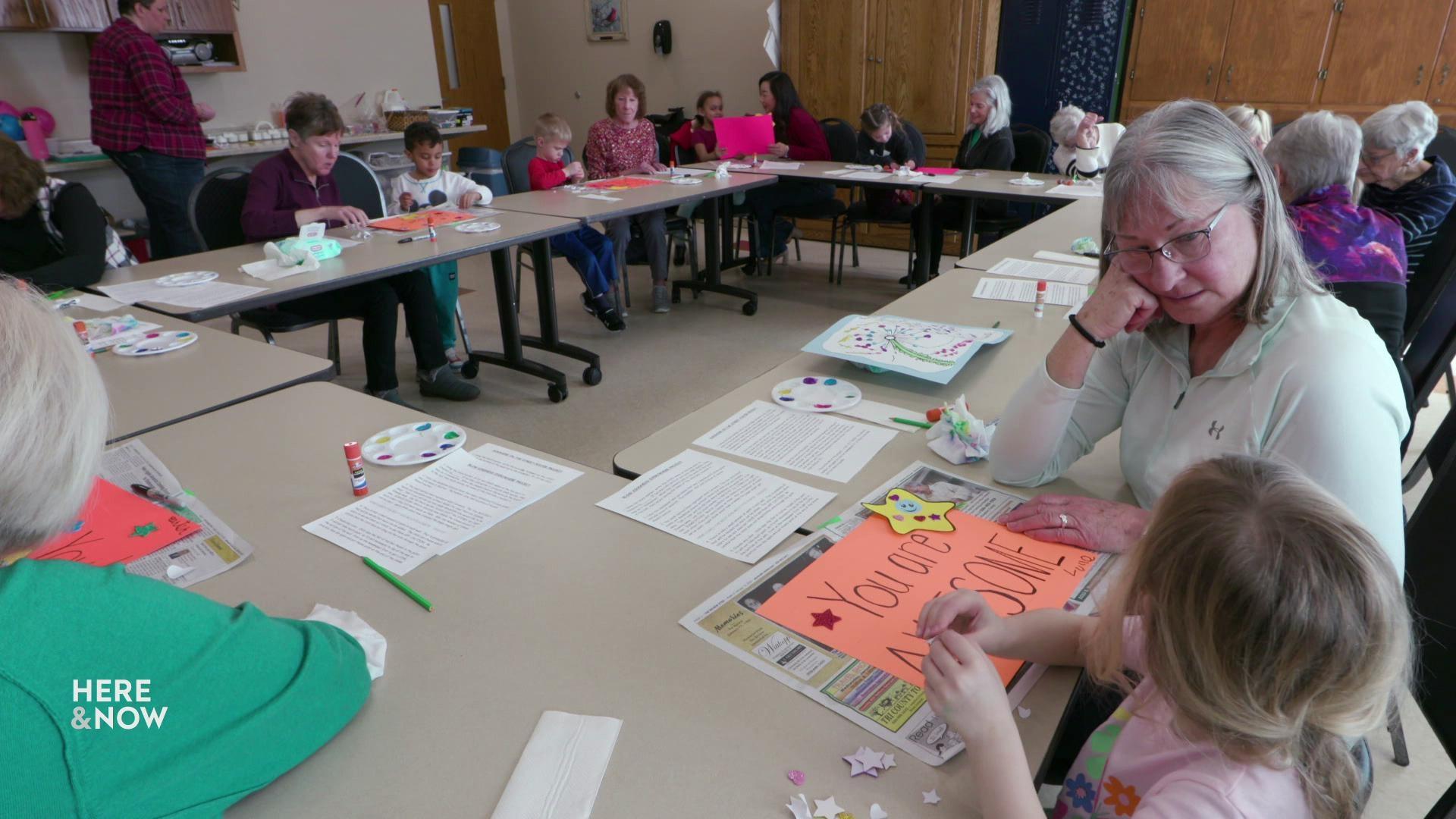
Everything about children's brain development is that relationship with other adults. Language, you know, things that they're learning, and I see a lot of programs that are doing gardening together, or arts and crafts together, and just having — if you can imagine in a classroom, two-year-olds for example, you've got one teacher and at least eight children, right? So that one teacher is pretty busy doing all the things to keep that community running. When you have an extra group of adults around that are actually engaging in the activities with children, there's much more to be learned from that experience. ... The first three years of life, it's like 90% of children's brain synapses are getting pruned during that time. So there's an explosion of things that they're capable of learning and figuring out how they belong in the world. And so that really intentional interaction, I think, can be great for both. I also know that seniors are facing this sort of epidemic of isolation, and that can also impact their physical health. As you can imagine, I think probably when a group of children enter a space, everybody's face lights up, right? It changes the dynamic, and it invites this sort of resilience, I think, in both populations.
Video Interviews
More Education

Our Partners




PBS Wisconsin is a service of the Wisconsin Educational Communications Board and the University of Wisconsin-Madison. © 2026 All Rights Reserved.
Follow Us