

 Passport





Maria Lazar and Chris Taylor face off in the 2026 election for an open Wisconsin Supreme Court seat
Two state Court of Appeals judges are running in the 2026 election for an open seat on the Wisconsin Supreme Court, but both have partisan alignments that have come to define races for the state's high court.
By Zac Schultz
January 5, 2026


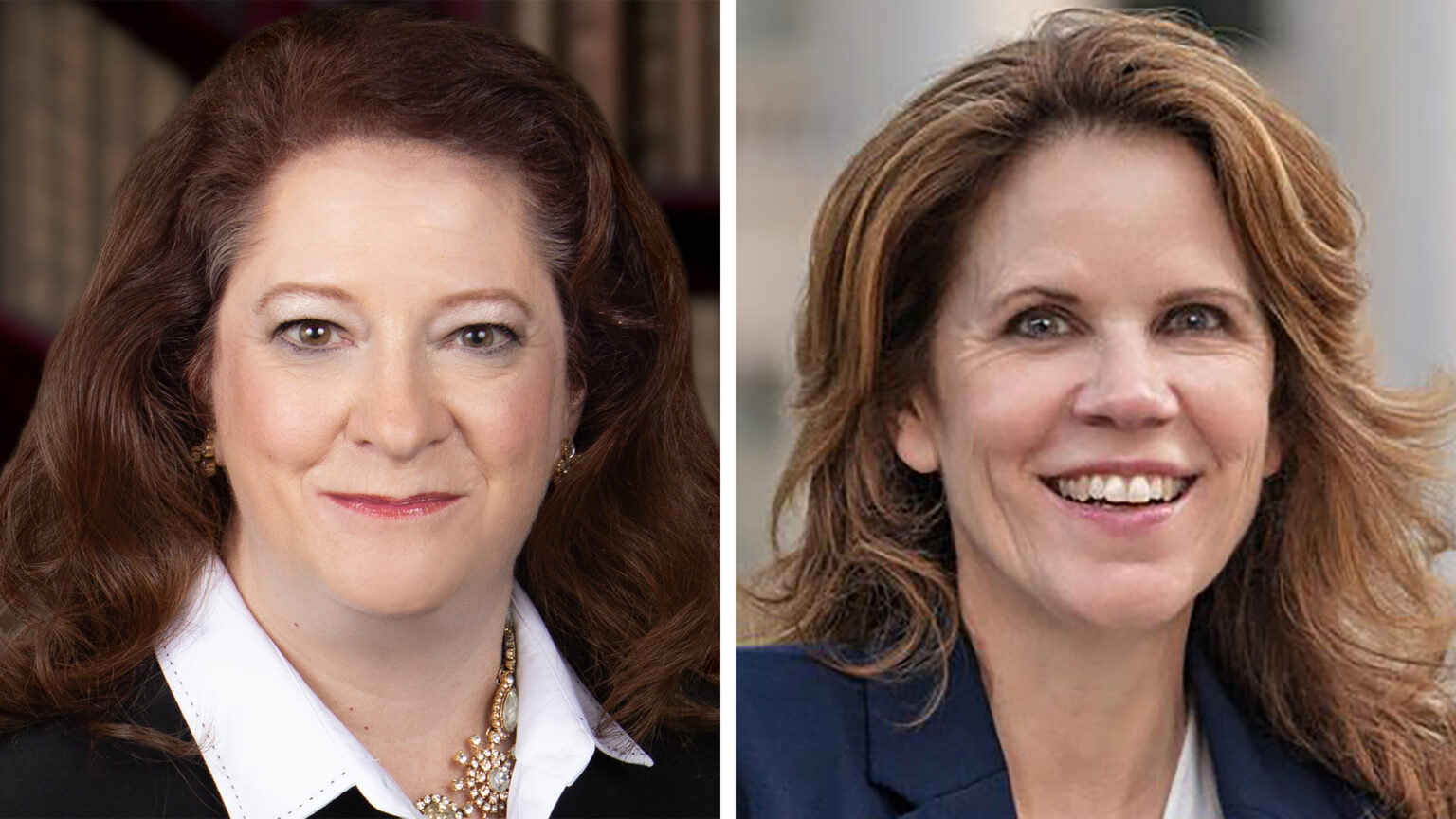
Wisconsin Court of Appeals Judge Maria Lazar and Wisconsin Court of Appeals Judge Chris Taylor are running in the 2026 election for an open seat on the Wisconsin Supreme Court. (Source: Friends of Maria Lazar, Chris Taylor for Justice)
The 2026 race for a Wisconsin Supreme Court seat will have the same intensity and partisan focus as the state’s last two high court elections, but its ideological balance is not at stake, so it’s not clear if spending or turnout will approach the record-setting levels as the 2023 and 2025 elections.
Wisconsin Court of Appeals Judge Chris Taylor announced she was running in May 2025, when it still appeared incumbent Justice Rebecca Bradley might run for another 10-year term. In August, though, Bradley announced she would not seek another term. At the beginning of October, Wisconsin Court of Appeals Judge Maria Lazar announced her candidacy.
Wisconsin Supreme Court elections are technically non-partisan, the same as all spring elections. But over the last twenty years, the races have become more and more partisan, and in the present electoral environment there is typically one candidate aligned with the Democratic Party of Wisconsin — in this instance, Chris Taylor — and one aligned with the Republican Party of Wisconsin —namely, Maria Lazar.
Elections in 2023 and 2025 were for open seats where the winner would determine whether the conservative or liberal wing of the court would have a majority. Those elections drew more than 100 million dollars in spending apiece and received considerable national media attention. The liberal candidate won both seats, with now Justices Janet Protasiewicz and Susan Crawford sailing to easy wins, respectively. These two justices make up half of the current 4-3 liberal majority.
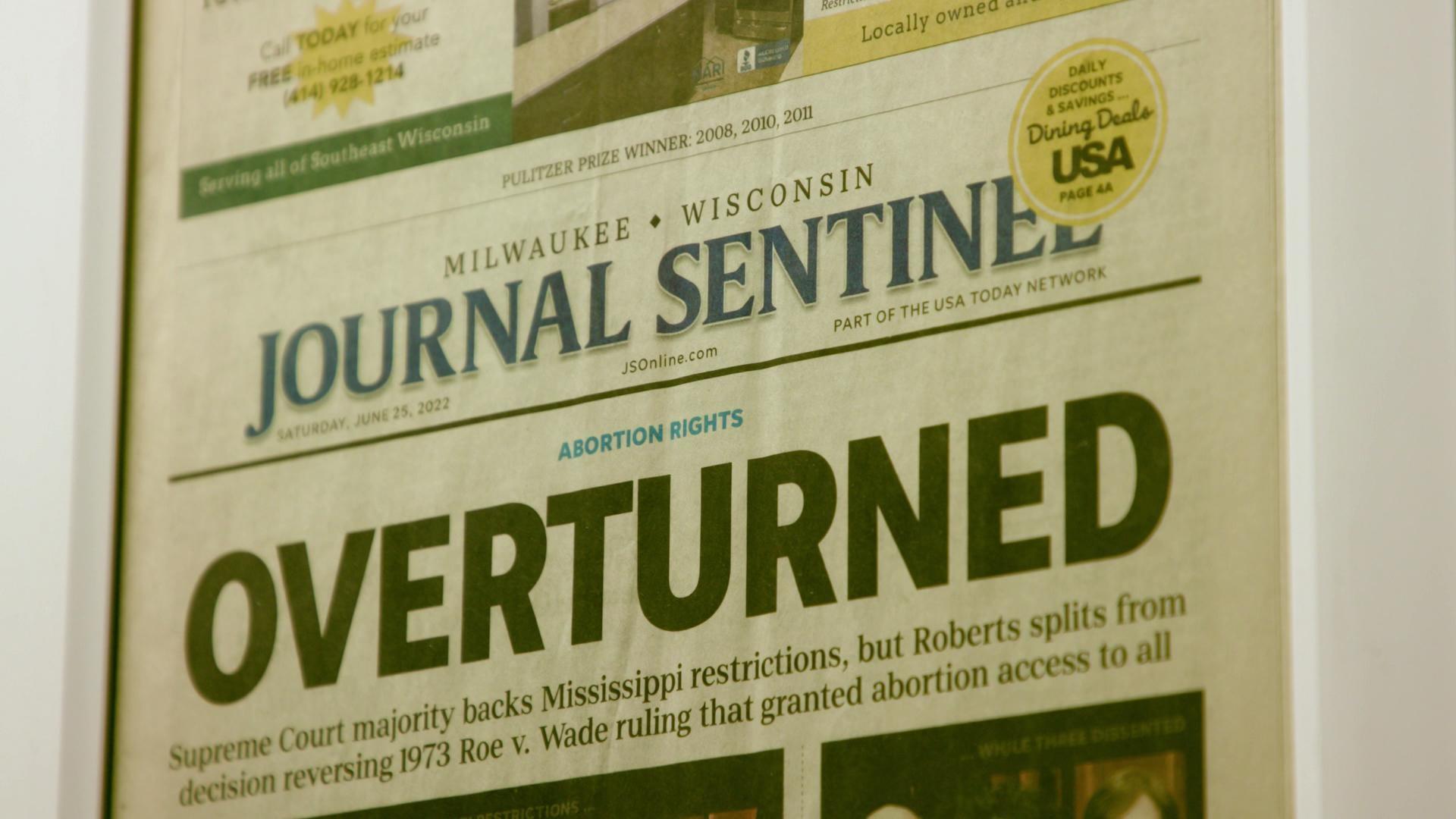
Taylor worked for Planned Parenthood of Wisconsin before winning a seat in the Wisconsin State Assembly in 2011. In 2020, she was appointed to the Dane County Circuit Court and subsequently ran for and was elected to the state Court of Appeals in 2023. Abortion has been a high-profile issue in the last two Wisconsin Supreme Court races, and in July 2025, the liberal majority overturned Wisconsin’s 1849 abortion ban.
Taylor’s campaign website lays out her beliefs, with a statement about her candidacy reading: “Her judicial philosophy is people-centered, grounded in making sure individuals get a fair chance in our courts, and that their Constitutional rights are protected. She knows how important it is for our courts to be places where people feel heard, respected, and treated equally under the law. She is a strong advocate for maintaining the independence of the judiciary, which must also serve as a check on the other branches of government.”
Judge Maria Lazar worked in private practice before joining the Wisconsin Attorney General’s office under Republican J.B. Van Hollen. In 2015, she was elected to the Waukesha County Circuit Court, and in 2022, ran for and won a seat on the Wisconsin Court of Appeals.
Lazar’s campaign website presents her judicial philosophy, with a statement reading: “A judge must strike the proper balance of deference to the law as written while ensuring that each branch of government stays within its zone of authority. It is the judiciary’s role to say what the law ‘is’ not what we believe it should be. In fact, those decisions that run contrary to a judge’s own personal views are evidence that the judiciary is acting within the parameters set forth when the Country was founded.”
There is a primary election date set for Feb. 17, but since there is not a third challenger, both candidates will advance to the spring election on April 7.





Follow Us