

 Passport





'Here & Now' Highlights: Lt. Gov. Sara Rodriguez, County Exec. David Crowley, Sen. Kelda Roys, Dr. Ryan Westergaard
Here's what guests on the Dec. 12, 2025 episode said about the Democratic primary for governor in 2026 and state guidance for hepatitis B vaccines.
By Frederica Freyberg | Here & Now
December 15, 2025


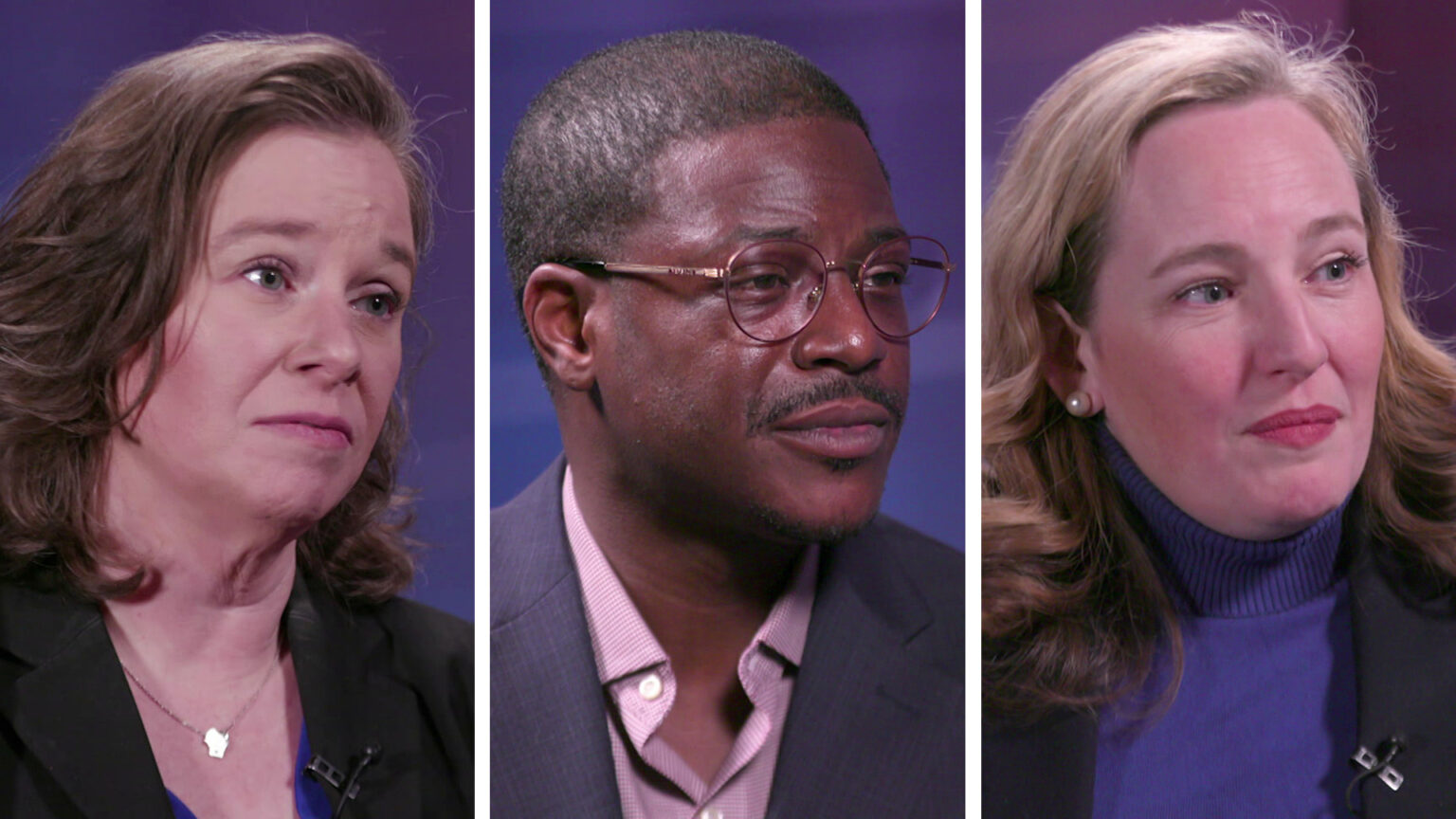
Lt. Gov. Sara Rodriguez, Milwaukee County Exec. David Crowley and state Sen. Kelda Roys (Credit: PBS Wisconsin)
Here & Now is introducing candidates running in the primaries for Wisconsin governor in 2026, asking them why they are running and how they will be seeking support from voters in this phase of the campaign. These conversations continue with three Democrats: Lt. Gov, Sarah Rodriguez, Milwaukee County Exec. David Crowley and state Sen. Kelda Roys. A federal panel moved to change its recommendations for hepatitis B vaccination for newborns – Dr. Ryan Westergaard of the Wisconsin Department of Health Services reiterates the state’s guidance for these vaccines.
Lt. Gov. Sara Rodriguez
Lieutenant governor and Democratic candidate for governor
- Elected to the Wisconsin Assembly in 2020, Rodriguez ran for and won the state’s lieutenant governor office two years later alongside incumbent Gov. Tony Evers. Rodriguez was the first Democrat who announced a 2026 run for governor, entering the race in July a day after Evers said he would not seek a third term. She spoke to what motivates her candidacy
- Rodriguez: I think that I have so much experience within health care, which is a complicated space. We’ve seen what’s happening now in Washington, where they’re taking away the subsidies for the Affordable Care Act. People who are going to get their insurance on the exchange — these are small business owners, these are farmers, these are people who are trying to make a living — and their premiums are going to double, maybe even triple in Wisconsin. And so having somebody who has that expertise in health care to be able to do that here in Wisconsin and actually make a demonstrable difference in people’s lives, that’s something that I’m really excited about.”
County Exec. David Crowley
Milwaukee County Executive and Democratic candidate for governor
- Crowley was first elected to the Wisconsin Assembly in 2016 and won a second term before running for and getting elected as Milwaukee County Executive in 2020. He announced a 2026 run for governor in September, and spoke to what motivates his candidacy.
- Crowley: “Well, I think the affordability crisis specifically, right, because things are rising in cost. Whether we’re talking housing, whether we’re talking groceries, we’re seeing in utilities and people are seeing the rise in inflation under this current administration, and they want somebody who’s going to be there for them — not just the governor who’s going to listen, but who’s built solutions from the ground up, who’s going to make sure that people are at the table who are directly impacted by the issues we face to make sure that they can be a part of the decisionmaking at the same time.”
State Sen. Kelda Roys
D-Madison and Democratic candidate for governor
- Elected to the Wisconsin Assembly in 2008 and serving two terms in that chamber, Roys was later elected to the state Senate in 2020 and was reelected in 2024. She announced a 2026 run for governor in September, and spoke to what motivates her candidacy.
- Roys: “I think it’s all about making it possible for working people to have the freedom to thrive in this state. For too long, people have seen their wages stagnate or even go down. Meanwhile, the costs of living are skyrocketing — everything from housing to healthcare, childcare and utilities is going up. We have to make Wisconsin a place where people can afford to live and have a good life.”
Dr. Ryan Westergaard
Chief medical officer and state epidemiologist for communicable diseases, Wisconsin Department of Health Services
- A Centers for Disease Control and Prevention vaccine panel voted against recommending all newborns receive the hepatitis B vaccine, and is instead recommending “that parents consult with their health care provider and decide when or if their child will begin the hepatitis B vaccine series.” This shift in federal guidance reflects the CDC’s continuing shift away from previous immunization policies, and one that is being rejected by public health partnerships between different groups of states. Counter to the CDC, Wisconsin is maintaining its current guidance that infants get their first vaccination shot within 24-hours of birth. Westergaard said the state is reaffirming a standard of care that has been supported by solid evidence for several decades.
- Westergaard: “We’re very concerned that if that were to change, that we would lose ground, that there would be more hepatitis B among infants. That’s very dangerous, because hepatitis B can cause lifelong chronic liver disease and result in cancer and cirrhosis and problems that we have the ability to prevent.”
Watch new episodes of Here & Now at 7:30 p.m. on Fridays.





Follow Us