

 Passport





Evers signs law legalizing tribal run online sports betting in Wisconsin
Wisconsin Gov. Tony Evers has signed a bill into law that legalizes online sports betting, and requires the state government to negotiate new deals with tribal nations that would operate this type of gaming and allow gamblers to legally place bets.
Associated Press
April 9, 2026


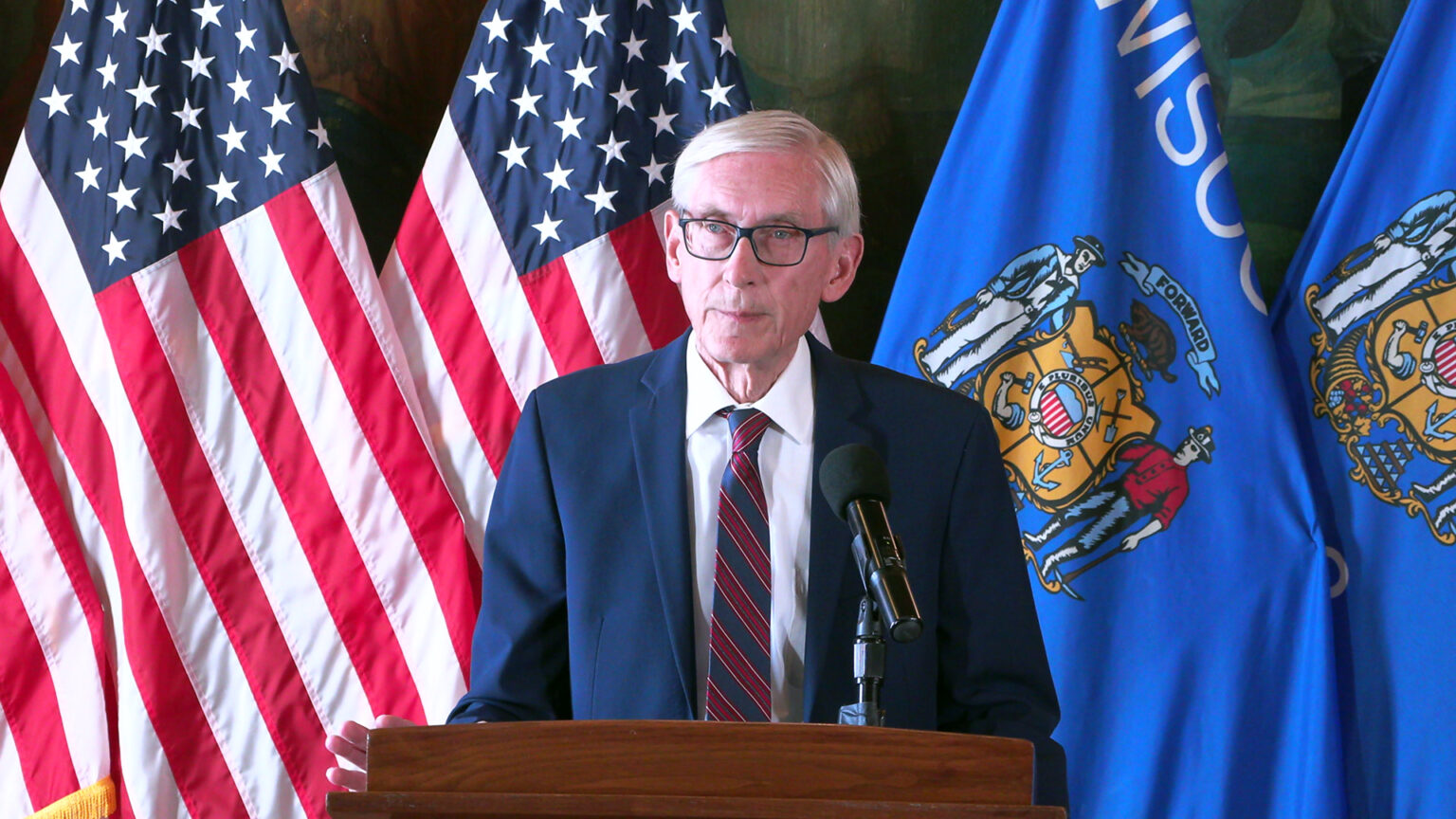
Wisconsin Gov. Tony Evers speaks at a press conference on Jan. 12, 2026, at the Wisconsin State Capitol in Madison. The governor on April 9 signed a bill to legalizes online sports betting operated by tribal nations. (Credit: PBS Wisconsin)

MADISON, Wis. (AP) — Wisconsin Gov. Tony Evers signed a bill into law on April 9 that legalizes online sports betting, making it the 33rd state to allow the practice.
But gamblers in Wisconsin will have to wait months or maybe even longer before they can start to legally place bets. The law Evers signed, which passed the Legislature with bipartisan support, requires the state to negotiate new deals with American Indian tribes that would run the sports betting.
Evers said he would not accept a plan that treats any one tribe better than another.
“The real work begins today,” he said in a statement. “Each of the 11 Tribes must now work diligently-and together-to shape the future of sports betting in Wisconsin. … An approach that exacerbates long-standing inequalities among Tribal Nations is not good for Wisconsinites or Wisconsin. I will not entertain it as governor.”
Gambling is legal in Wisconsin only on tribal lands under exclusive contracts between tribes and the state. Sports bets currently can be placed only at certain tribal casinos, and online sports betting is illegal.
Under the new Wisconsin law, online sports betting would be allowed only if the infrastructure to manage the bets, such as computer servers, is located on tribal lands in the state. That approach, known as the “hub-and-spoke” model, already is used in Florida.
Under the Wisconsin tribal compacts, a percentage of the money tribes earn through that gambling is returned to the state. In 2024, the tribes paid the state just over $66 million from revenue generated at casinos.
Evers said the new law represents a chance “to support mental health programs and to combat the opioid crisis, two issues that I know plague both Tribal Nations and communities across our state.”
Supporters of the measure include several Wisconsin tribes and the Milwaukee Brewers. They contend people currently are placing bets using offshore sportsbooks or prediction markets or crossing into other states where it’s legal, including neighboring Illinois.
The Sports Betting Alliance, which represents FanDuel, DraftKings, bet365, BetMGM and Fanatics, opposed the law. They argued that it wouldn’t make financial sense for them to partner with Wisconsin tribes, because federal law requires 60% of gambling revenues must go back to the tribes. They would prefer a state constitutional amendment opening sports betting to all operators.
Evers, who is not running for a third term in 2026, has originally said he would sign it as long as it had the support of the state’s 11 federally recognized tribes. But he later raised concerns because not every tribe was on board. Evers said April 9 that all 11 tribes are now in active negotiations over how to implement the new law.
Across the U.S., state-regulated sportsbooks handled nearly $167 billion of bets in 2025, generating revenues of nearly $17 billion after winnings were paid out to customers, according to the American Gaming Association. That marked an almost 23% increase over the previous year.






Follow Us