

 Passport






'Here & Now' Highlights: Dr. Ryan Westergaard, Anthony Chergosky, Heather DuBois Bourenane
Here's what guests on the Nov. 13, 2026 episode said about the state's growing measles outbreak, the incoming Democratic legislative majority, and changes proposed for how schools in Wisconsin are funded.
By Frederica Freyberg | Here & Now
November 16, 2026


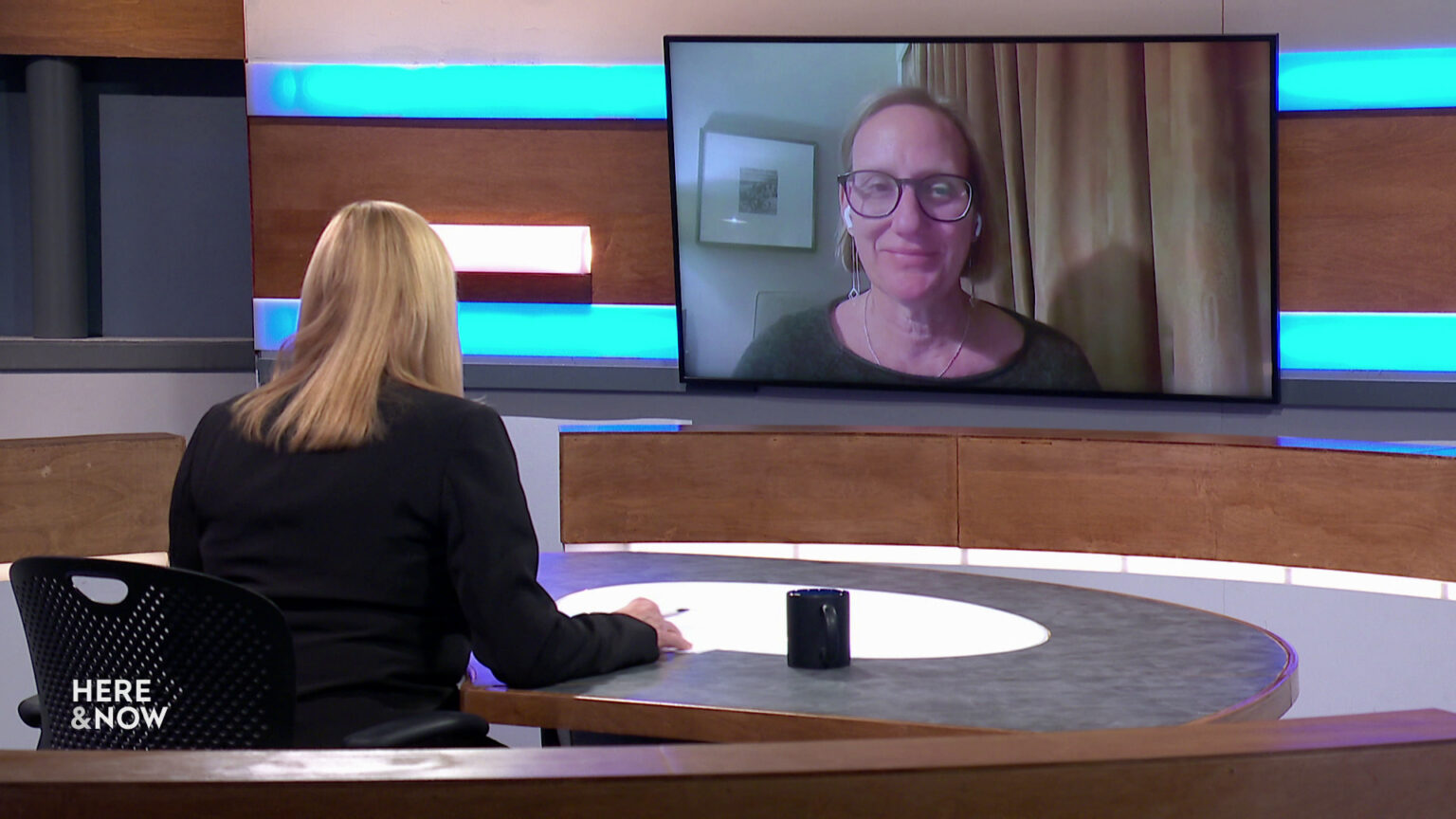
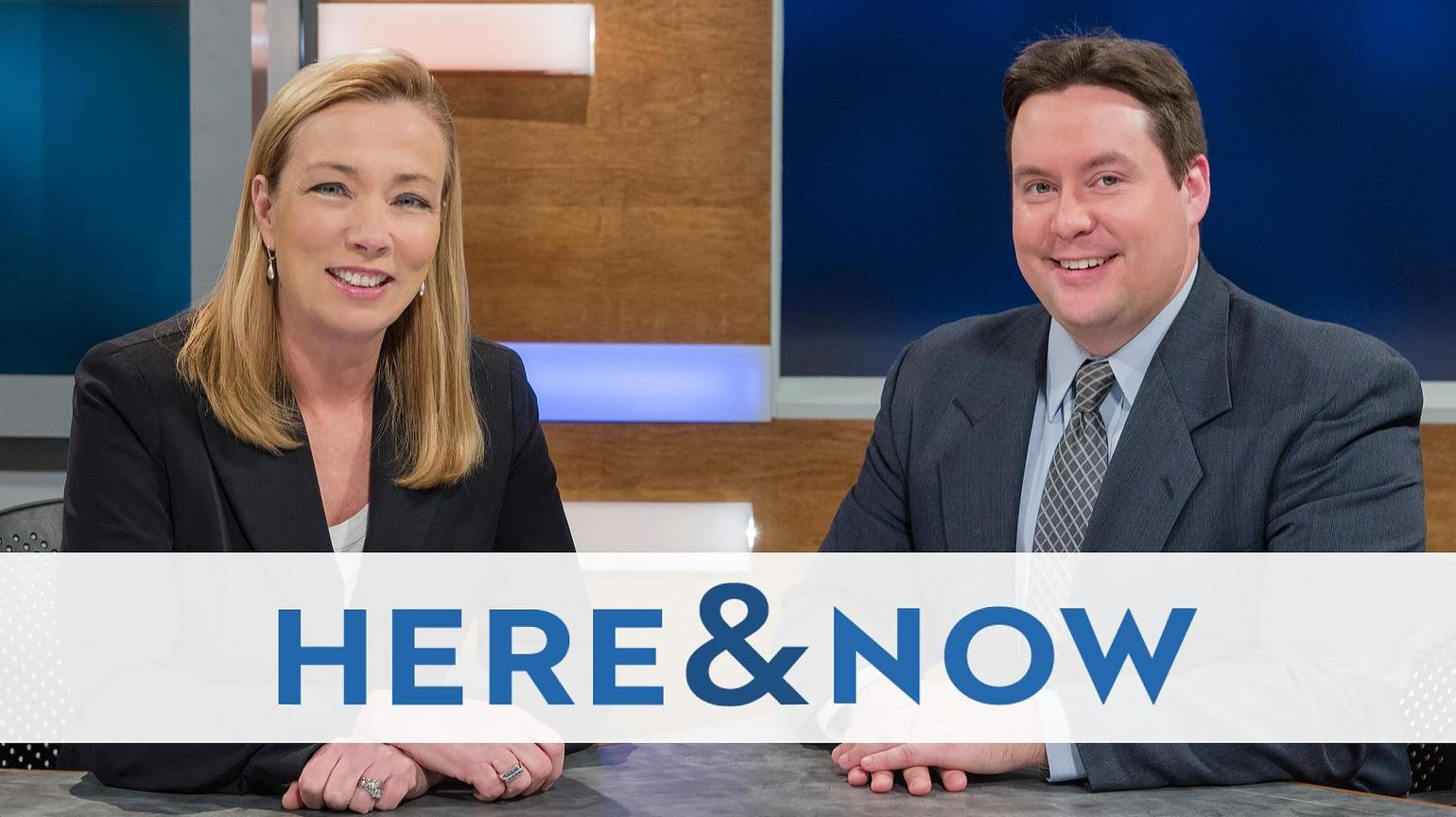
Frederica Freyberg and Heather DuBois Bourenane (Credit: PBS Wisconsin)
Measles cases in Wisconsin are spiking and two children have died of the disease — Dr. Ryan Westergaard said only a handful of years ago, there were zero measles cases each year in the state. UW-La Crosse professor Anthony Chergosky said the state budget surplus is crucial for the policy priorities of incoming legislative Democrats. The state Department of Public Instruction released its 2027-29 budget request, and it calls for fundamental changes to the school funding formula — Heather DuBois Bourenane of the Wisconsin Public Education Network said districts are optimistic the new Democratic-controlled Legislature and governor will approve the plan.
Dr. Ryan Westergaard
Chief medical officer and state epidemiologist for communicable diseases, Wisconsin Department of Health Services
- The number of measles cases reported in Wisconsin for 2026 as of Nov. 13 was 651, with most confirmed over the previous two months. That count puts the state third highest in the nation for cases as of that date, according to a Johns Hopkins University tracker. Virtually all of these cases are in unvaccinated people. Public health officials believe given how many people will not seek treatment or report contracting the disease, the actual case count is likely well over 1,000. This spread was punctuated by the state reporting at the beginning of the month that an infant died of measles, marking the state’s first death from the disease since 1990. On Nov. 13, the state reported a second pediatric death. Westergaard spoke to the fact that there are many unvaccinated people in the state.
- Westergaard: “We’ve known about this for years unfortunately. We track the number of and the percentage of children who are up to date on their recommended vaccines by the time they start kindergarten. We actually put this on a map on our website, and we’ve known for years that there are counties in Wisconsin that are well below 80%, some not much higher than 50%. So this is what we unfortunately expect to see in a situation where too many parents have chosen to not vaccinate their children for too many years. We have not only children who are vulnerable, but we have whole families who have no protection against this infection.”
Anthony Chergosky
Professor, UW-La Crosse Department of Political Science and Public Administration
- Wisconsin’s Democratic members of the state Legislature have selected their leadership after winning majorities in the 2026 midterm elections. The incoming majority party has a lot of policy priorities after 16 years of Republican rule in the state Assembly and Senate. Chergosky said this time around, Democrats will have some money to work with given the state’s budget surplus.
- Chergosky: “When we think back about the last time that Democrats had a trifecta, it was the final years of Jim Doyle’s administration, and that came right in the heart of the financial crisis. That was a miserable time to be the majority party or to be anyone in state government because of the horrific budget problems that the financial crisis brought with it. Now, it’s a completely different picture with a budget surplus rather than budget deficit. It means that Democrats have some wiggle room when it comes to new spending and new policies that they might pass. And with 16 years in the minority party, believe me, there’s some pent-up demand among Democratic Party voters and Democratic Party constituencies for new policies. And so that surplus is absolutely crucial to Democrats in the Legislature.”
Heather DuBois Bourenane
Executive Director, Wisconsin Public Education Network
- The Wisconsin Department of Public Instruction has introduced a $2.75 billion budget request for 2027-29 biennium, making what it calls “foundational” changes to the school funding formula – including increasing the state reimbursement for special education to 60% in year two of the spending plan. The budget is designed to provide more predictable funding levels and end the number of operational referendums by districts that draw needed resources from local property tax revenue. Bourenane said increased funding for special education, English language learners and students in poverty are key parts of the budget request.
- DuBois Bourenane: “I don’t think our districts have seen a more welcome proposal in a very long time. The budget that we just saw — hot off the presses from DPI this afternoon — looks like it’s doing something that public school advocates and school and district leaders and educators have been asking them to do for decades, which is really take a deep look at some structural fixes to how we fund our public schools that will align the spending more with what students actually need and what districts are already required to spend —- and move away from this outdated model that’s really based based on property values and has led to this endless cycle of needing to fund by referenda, which ultimately just has made our gaps wider and wider across the state.”
Watch new episodes of Here & Now at 7:30 p.m. on Fridays.





Follow Us