

 Passport




'Here & Now' Highlights: Ann Jacobs, Anthony Chergosky
Here's what guests on the April 3, 2026 episode said about a Trump executive order on voting and how Wisconsin Supreme Court candidates fared in a debate.
By Frederica Freyberg | Here & Now
April 6, 2026


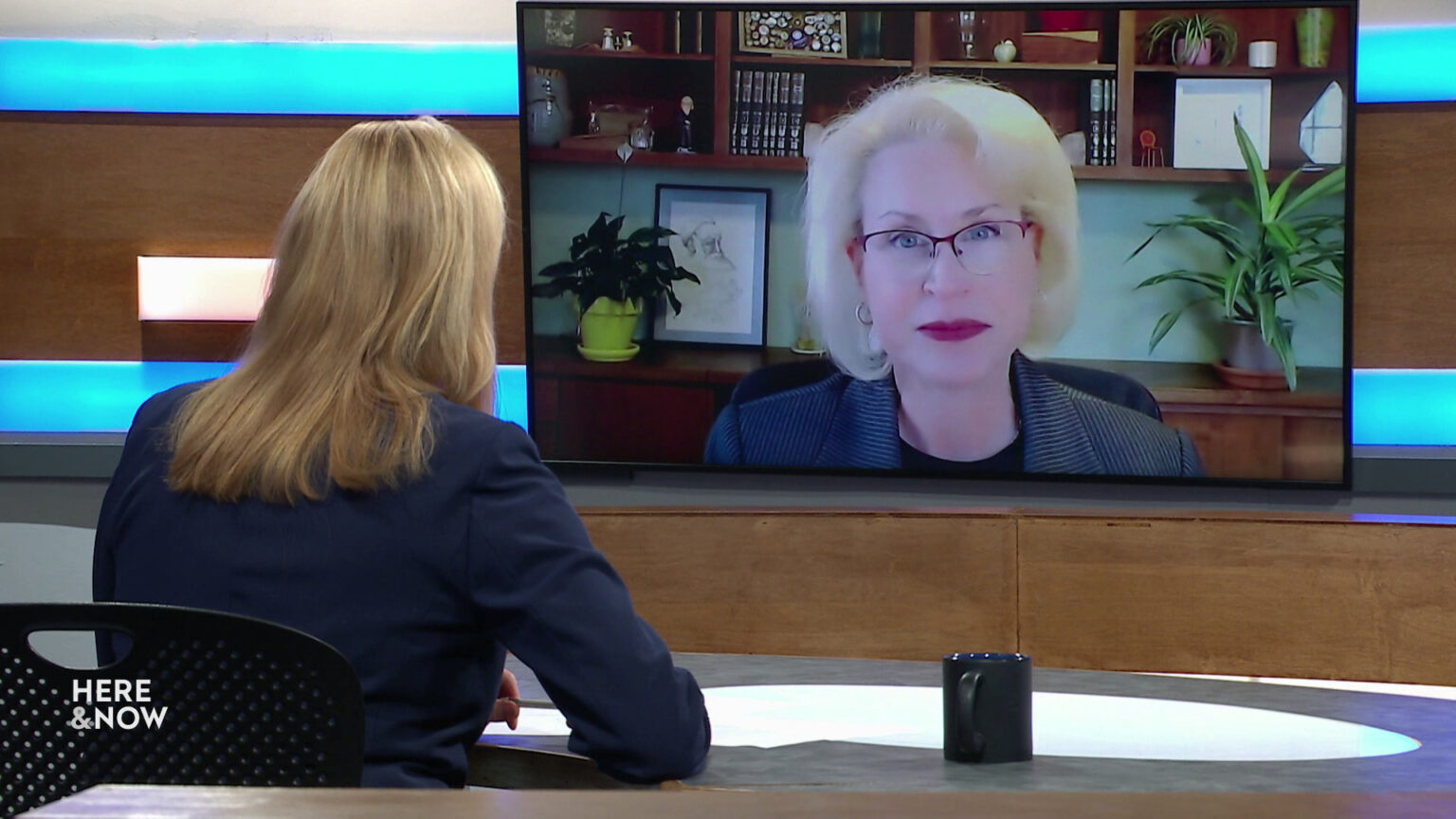
Frederica Freyberg and Ann Jacobs (Credit: PBS Wisconsin)
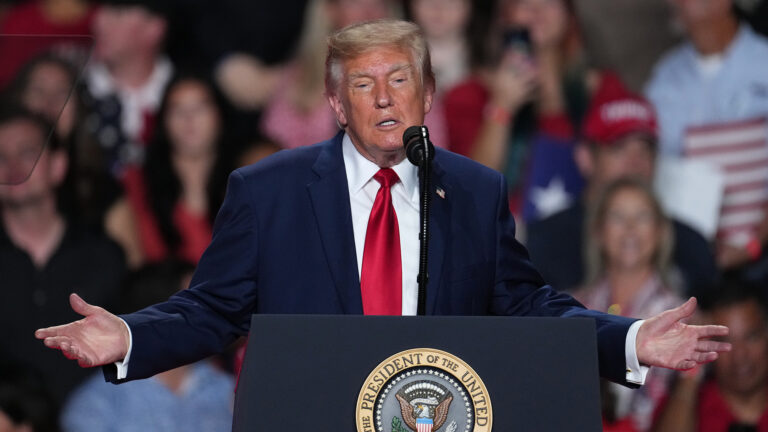
President Donald Trump signed an executive order that would create a national list of U.S. citizens eligible to vote and restrict mail-in ballots — Wisconsin Elections Commission Chair Ann Jacobs said she doubted the provisions could be implemented in the state due to legal challenges. UW-La Crosse political science professor Anthony Chergosky analyzed the only statewide debate between the 2026 candidates for Wisconsin Supreme Court just days before the spring election.
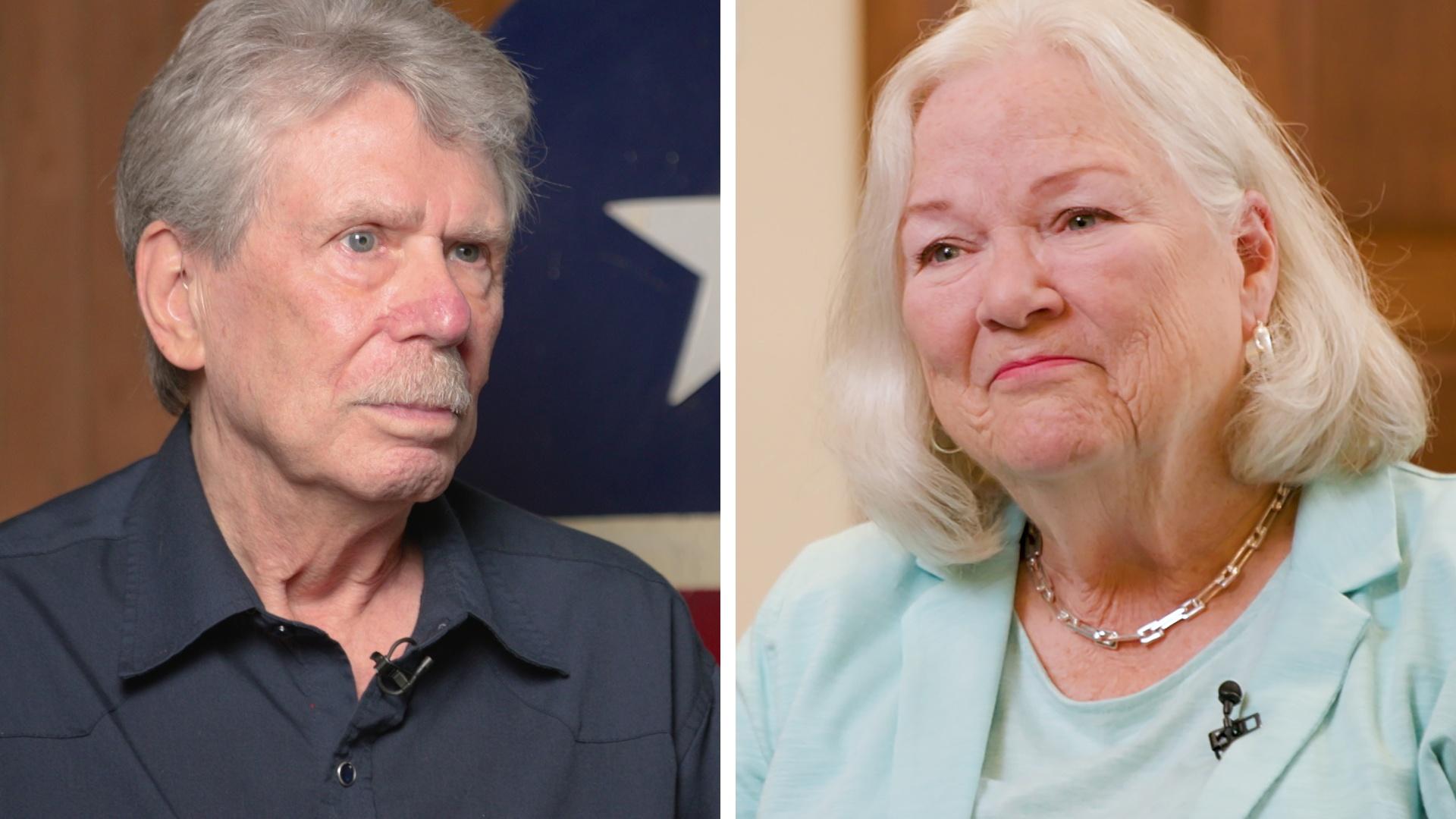
Ann Jacobs
Chair, Wisconsin Elections Commission
- The Wisconsin Department of Justice and 22 other state attorneys general and one governor have filed a lawsuit over an executive order issued on March 31 by President Donald Trump that would regulate voting at a national level. The evening after the order was issued, Gov. Tony Evers wrote, “We’ll see President Trump in court” in response. The basis of the case, Jacobs said, is that the administration of elections is delegated by the U.S. Constitution to the states. As to provisions in the order applying to and seeking to limit mail-in ballots, Jacobs said it smacks of conspiracy theories about absentee voting and described what the order would mean if it did end up going into effect.
- Jacobs: “In Wisconsin, by way of example, you can request an absentee ballot five days before an election, and you are eligible to vote if you’ve been a resident of Wisconsin for 28 days. A new resident of Wisconsin could come and ask for a ballot and have the right to vote. Under the executive order, however, that name and that address had to have been submitted to the U.S. government prior to 60 days before the election. So, you create conflicts between the statutory rights under state law with this mailing deadline. And now the government’s going to control whether they will even mail your ballot. How do you undo that? What is the remedy if the government says, ‘Oh, you weren’t on the list, so I’m not going to mail your balance, ha ha.’ And the reason they’re not mailing it is maybe because there’s a typo in a list somewhere or you move or what have you, so it’s really just sort of creating an unnecessary and unworkable mess.”
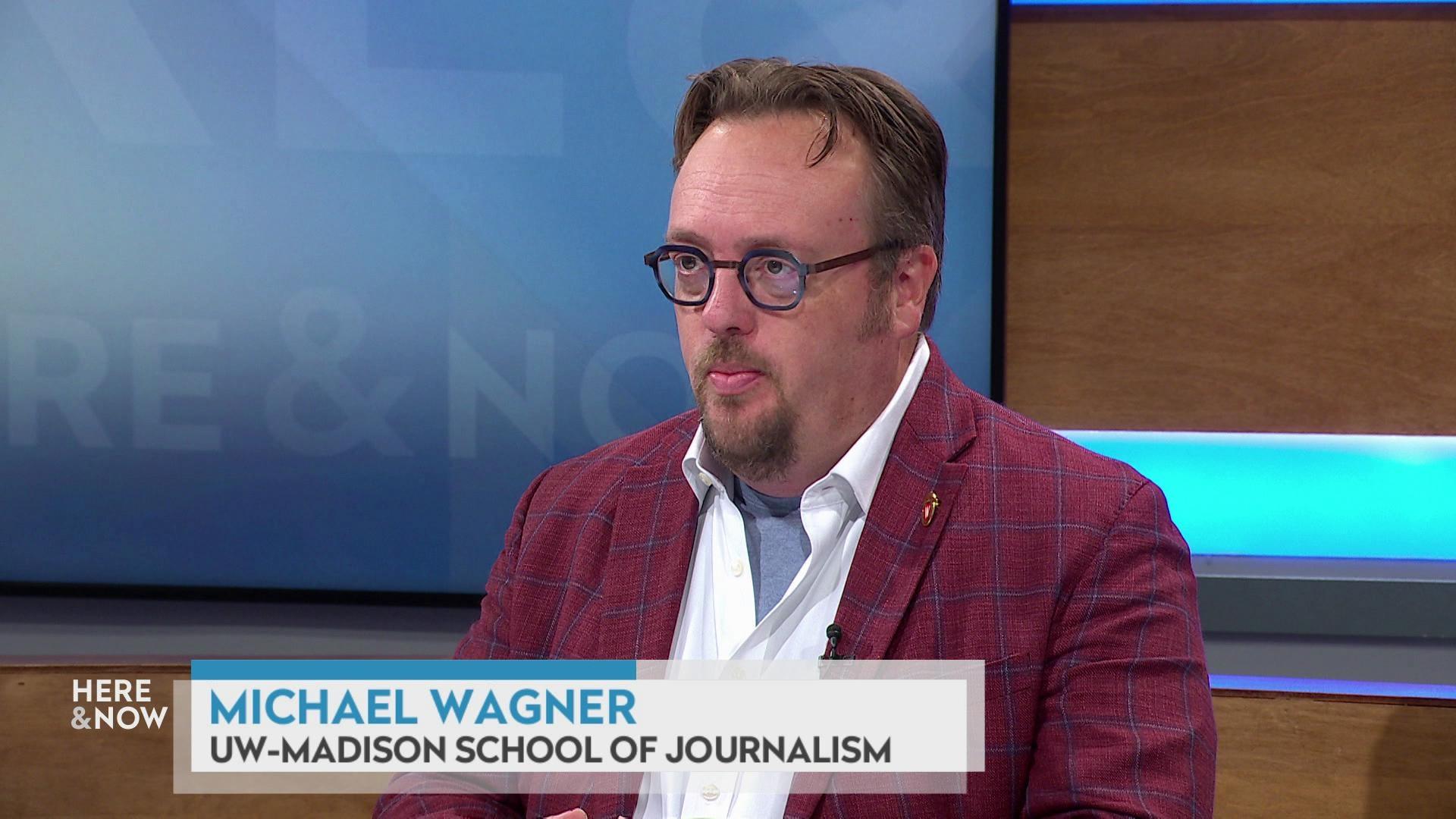
Anthony Chergosky
Professor, UW-La Crosse Department of Political Science and Public Administration
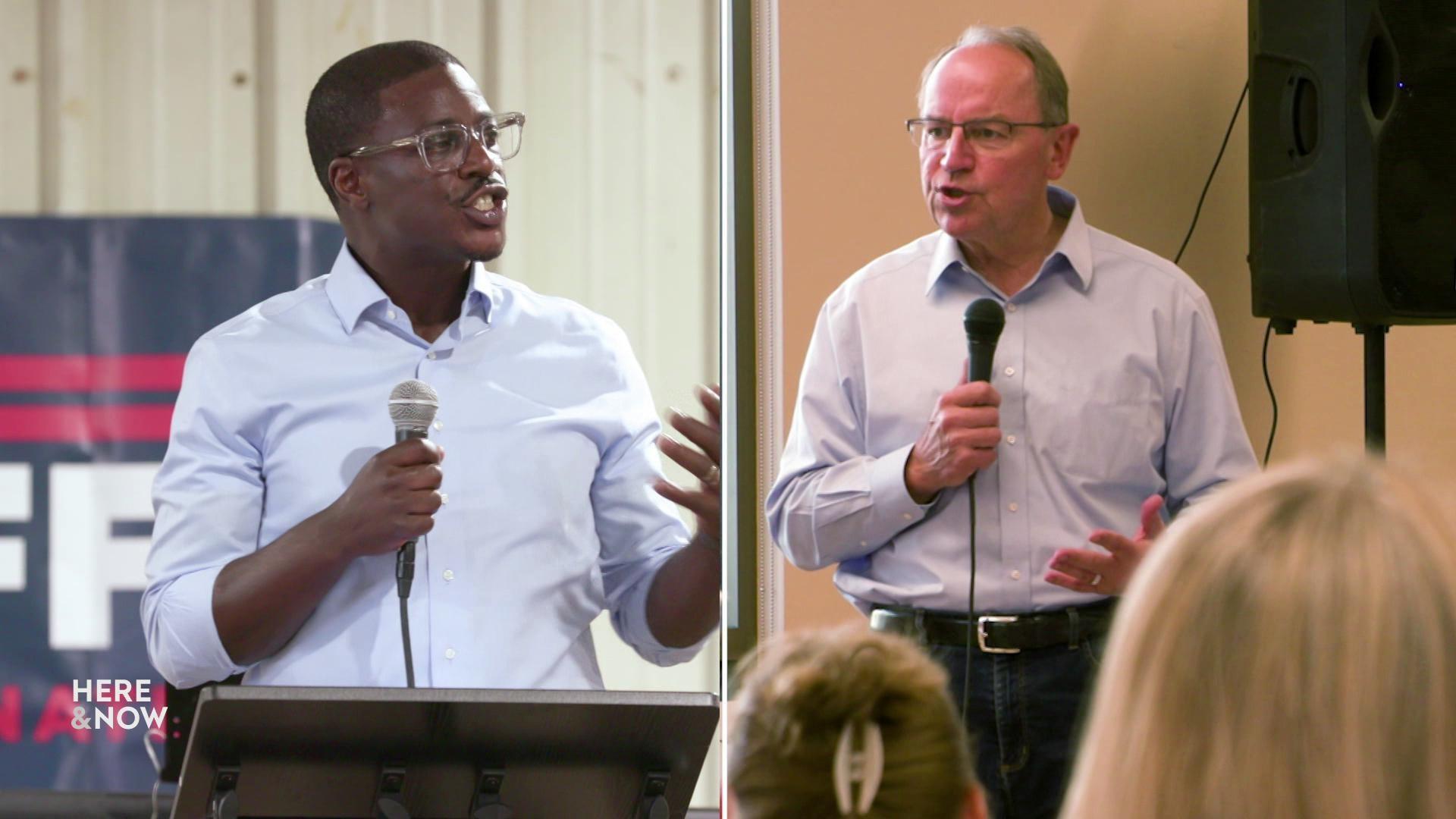
- Just days before the April 7 spring election, the 2026 candidates for the Wisconsin Supreme Court appeared in a fiery debate. The pair of state Appeals Court judges – liberal Chris Taylor and conservative Maria Lazar – squared off over their judicial philosophy, recusals, abortion and other issues. In more recent election cycles, Supreme Court campaigns have become more openly political, a shift Chergosky said is hard to reconcile with pledges of judicial independence.
- Chergosky: “We’re in a really strange era in these state Supreme Court elections because they are taking on this overtly partisan tone. The two political parties have given money directly to the candidates. The candidates have drawn on political party resources and networks throughout this campaign, yet they want to maintain a sense that they will be an independent judge. And we saw them accusing the other of being the activist judge. So it’s this weird, murky middle ground right now where the parties are deeply involved. The justices often accept the support of the political parties, but they also want to be clear that they’ll have some sense of independence.”
Watch new episodes of Here & Now at 7:30 p.m. on Fridays.





Follow Us