

 Passport





How farmers at risk for suicide can find mental health help
Family members and therapists are increasing their efforts to offer mental health support and wellness resources to farmers in Wisconsin facing despair as suicide rates in rural areas continue rising.
By Steven Potter | Here & Now
December 11, 2025


Family and therapists are increasing efforts to offer help to farmers facing despair.
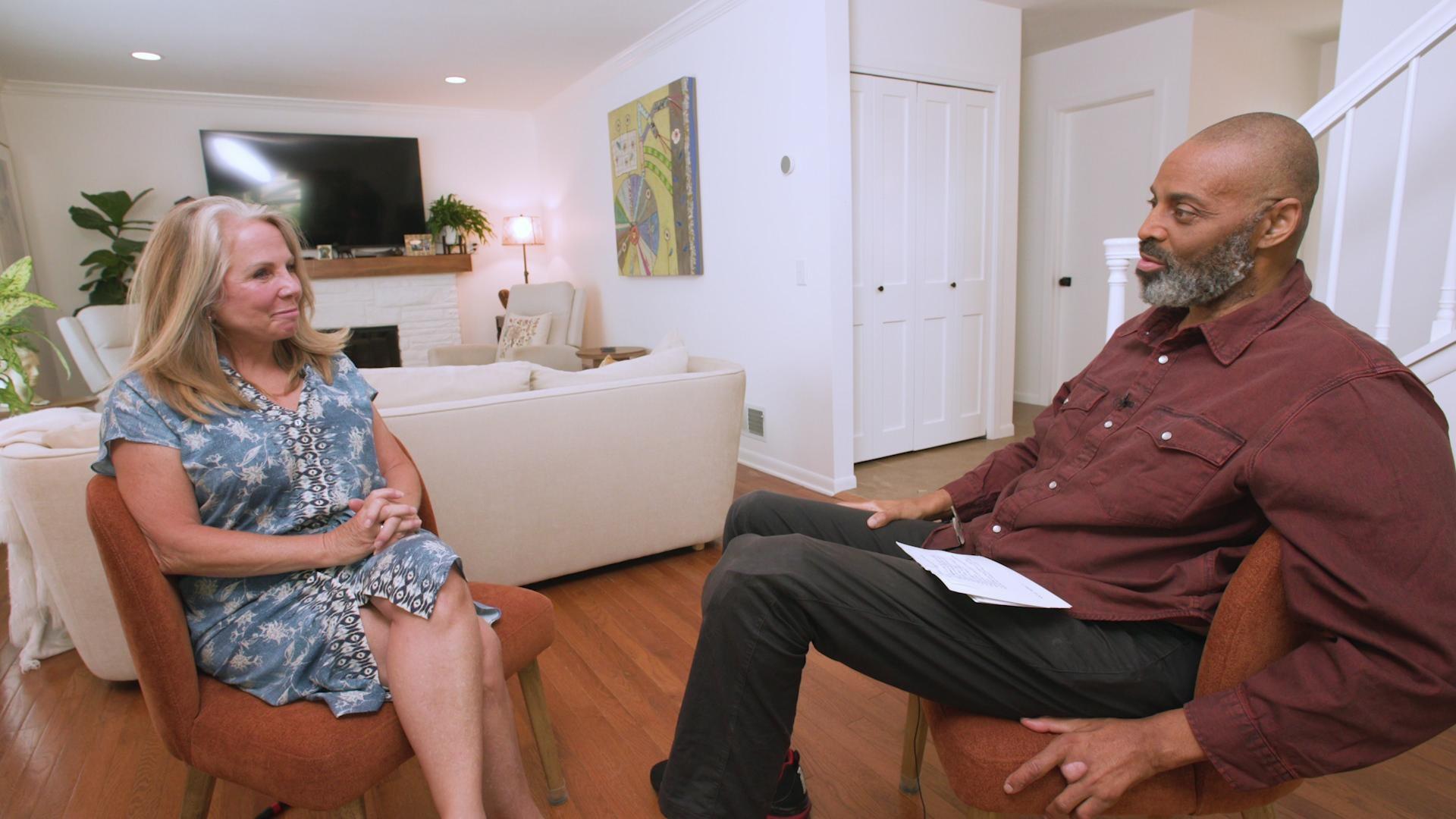
“He was always the happy guy who had a good story to share. Everybody’s like, ‘I never would have thought your dad would have done this,” said Jennifer Webster.
Growing up in northwestern Wisconsin, where her family has raised cows and grown crops on the same stretch of land in Pierce County since the 1880s, Webster remembers her father as a proud farmer.
“I think my dad chose to farm because he truly enjoyed it. He enjoyed being a steward of the land,” she said.
Webster said the work was difficult but rewarding.
“Especially like when you plant the crop, you see it through to the growing season and then you harvest it, and he really enjoyed to see all of his hard work pay off,” she shared.
But over the years, things changed.
“He had had a rough spring just with how the farming economy was going,” Webster said. “He had mentioned to my mom that farming wasn’t fun anymore a couple months before he had died.”
And then, her father — Brian Webster — made one last decision that would send shockwaves through his family and his small, local farming community.
“He died by suicide on, actually on our farm in August of 2023,” Jennifer said.
While no one expected Brian would take his own life, her father did have known problems with mental health — problems he was trying to solve.
“He was actually seeking medical care for depression — he was on medication, and actually was going to go to therapy,” said Jennifer.
“But for whatever reason, he couldn’t find a solution to different things that were bothering him,” she said.
The Webster family isn’t alone in the grief of losing a farmer and loved one to suicide.
According to the U.S. Centers for Disease Control and Prevention, suicides increased 46% from 2000 to 2020 in rural parts of America. That’s nearly twice the suicide rate of urban areas.
More specifically — according to the National Rural Health Association — farmers and agriculture workers have a suicide rate that’s 3.5 times higher than the general population.
Multiple individuals, organizations and government agencies are trying to make sense of these disparities in suicide statistics. One of them is Karen Endres, who runs the Farmer Wellness Program for the Wisconsin Farm Center.
“When farmers don’t take care of their emotional wellness, it becomes very challenging,” Endres said. “They’re isolating — they also overwork.”
She described how these challenges can build over time.
“It gets to be very stressful,” Endres explained. “The number one stressor for farmers is time management. There’s just not enough time in the day to get everything done that we need to get done to take care of our land — a very important natural resource — as well as take care of our livestock.”
With her own experience as a dairy farmer, Endres says agricultural work is full of uncertainty.
“We don’t have a lot of stability,” she said. “So, that is a very large stressor for farmers, is the market conditions. And in the world we are today, when we just we don’t have control over trade agreements and other things, that can add a lot of pressure when you don’t know what your income will be.”
Webster added that there are other stressors like severe weather.
“You kind of have to be able to adjust,” she said.
But Webster noted some farmers are not able to adjust and can’t cope with the pressure.
“They don’t talk about it. So, they kind of crawl into a hole, because farmers are very prideful. They think that they can manage it,” she said. “We’re finding more and more farmers are experiencing depression because they’re keeping it all bottled up.”
Webster shared that it can be difficult to ask for help.
“It’s really hard to really be able to express those and put your pride aside, and say, and raise your hand and say, ‘I’m struggling,'” she said.
There are state programs designed specifically for farmers struggling with their mental health.
“We connect farmers to either in-person or telehealth visits with licensed clinical social workers, counselors throughout our state that are interested in working with farmers,” Endres explained.
She said a 24-7 mental health helpline as well as online support groups and therapy vouchers offered through the state’s Farmer Wellness Program have seen a spike in interest over the last few years.
“I’ve seen a lot, an increase in the volume of calls, whether that’s more people being aware of the program or increased stress on our farms,” Endres said. “But it’s all of us out there — we’re dealing in some very heavy times right now.”
Overall, the 24-7 farmer helpline grew to nearly 750 calls over a year. The program’s therapy voucher system has grown too, from about 200 vouchers issued in 2021 to about 500 several years later.
Farmers are also becoming more willing to share with each other.
“Our online support groups were up over 50% in attendance last year,” Endres said. “We created a new group last year just to fill the demand of people wanting to connect, wanting to talk.”
Aside from the cost of a therapist and the difficulty of finding one and getting an appointment, there’s another barrier that sometimes stops farmers from seeking help with their mental health. That’s the stigma behind admitting that they need help in the first place.
“They work really long hours and a lot of them are just you’re raised to be very independent and self-reliant,” said Katie Glanville of Southwest Health Behavioral Services in Grant County.
She said her client base of farmers – and their problems – continues to grow.
“The biggest ones I probably see are depression and anxiety, and then also again kind of starting to use substances to help cope because they don’t know where else to turn,” Glanville said.
Once farmers do get some help, things begin to improve.
“Just helping to kind of get over that stigma or that sense of ‘I’m really hesitant to do this,'” she said. “You can tell like they’re starting to take care of themselves a little bit more or they’re starting to feel like spirits are up a little more.”
“We’re all working together to try to help farmers understand that it’s OK not to be OK,” Endres said.
Families like the Websters know that there’s nothing that will bring their loved ones back, but they can try to help other farmers from sinking so deep into depression and hopelessness that they end their own lives.
That’s where organizations like the Farmer Angel Network come in.
“The Farmer Angel Network is an organization that focuses around farmer-to-farmer suicide prevention. We’re an organization in western Wisconsin that really promotes fellowship and encouraging conversations in our community around farm mental health,” said Webster, who co-founded and leads a regional chapter of the group.
Through her chapter of the network, Webster and others have raised awareness about the struggles farmers face by hosting community events like picnics and educating health care providers. Their goal is to make farmers feel seen, recognized and appreciated.
“One other thing we do is we do what I call random acts of kindness. So, we give gift cards to farmers where, especially if you’re a dairy farmer, going out for dinner with your family can be really challenging,” Webster said.
As she and her brothers and mother still at the Webster farm know, that help is needed now more than ever.
“We definitely want to be able to give them a sense of hope that their life is worth living, their farm is worth the fight,” Webster said, “and just giving them a sense of hope and opportunity and providing resources for them to help them cope.”





Follow Us