

 Passport





Fitzgerald Visits Marshfield Agricultural Research Station
01/09/20 | 2m 59s | Rating: NR
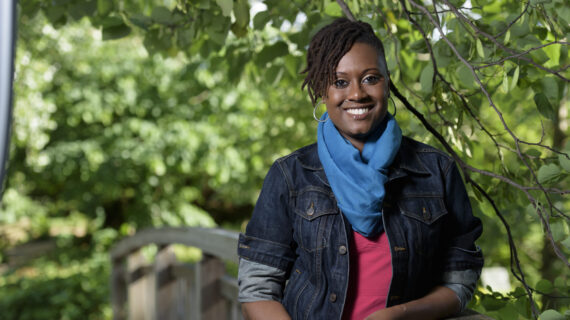
"Wisconsin Life" host Angela Fitzgerald heads to Stratford to spend time on a dairy farm at Marshfield Agricultural Research Station. Angela hears from Nancy Esser, herd manager, about the strong legacy of conducting research that directly impacts local farmers and communities and Jason Cavadini, agronomist, about the agronomy program focused on producing forages for feeding livestock and grazing.


Funding for Wisconsin Life is provided by the Wooden Nickel Fund, Mary and Lowell Peterson, A.C.V. and Mary Elston Family, Leon Price & Lily Postel, Stanley J. Cottrill Fund, UW Health, donors to the Focus Fund for Wisconsin Programs, and Friends of PBS Wisconsin.
Related Stories from PBS Wisconsin's Blog








Donate to sign up. Activate and sign in to Passport. It's that easy to help PBS Wisconsin serve your community through media that educates, inspires, and entertains.
Need some help? Go to FAQ or visit PBS Passport Help
Need help accessing PBS Wisconsin anywhere?

Visit our Live TV Access Guide
Online Access | Platform & Device Access | Cable or Satellite Access | Over-The-Air Access
Visit Access Guide
Online Access | Platform & Device Access | Cable or Satellite Access | Over-The-Air Access
Visit Access Guide
Need help accessing PBS Wisconsin anywhere?
Visit Our
Live TV Access Guide
Online AccessPlatform & Device Access
Cable or Satellite Access
Over-The-Air Access
Visit Access Guide




Follow Us