

 Passport






Botanical Dyer
11/09/23 | 4m 22s | Rating: NR
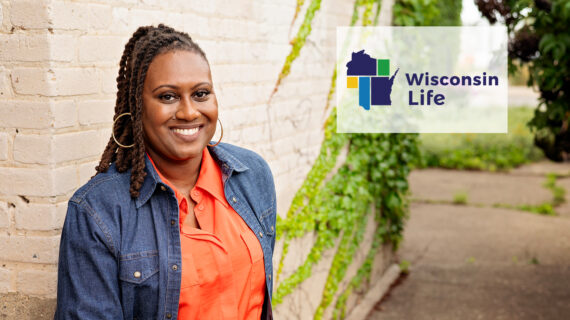
Kipp Inglis found botanic dyeing after dyeing with chemicals for years. Ever since, she has been fascinated by the wide options of colors of natural dyes. Layering these different dyes helps her to create a wide range of colors and effects. Inglis shares her knowledge with others through classes that help her also learn through the experimentation of her pupils.


Funding for Wisconsin Life is provided by the Wooden Nickel Fund, Mary and Lowell Peterson, A.C.V. and Mary Elston Family, Leon Price & Lily Postel, Stanley J. Cottrill Fund, UW Health, donors to the Focus Fund for Wisconsin Programs, and Friends of PBS Wisconsin.
Related Stories from PBS Wisconsin's Blog




Donate to sign up. Activate and sign in to Passport. It's that easy to help PBS Wisconsin serve your community through media that educates, inspires, and entertains.
Need some help? Go to FAQ or visit PBS Passport Help
Need help accessing PBS Wisconsin anywhere?

Visit our Live TV Access Guide
Online Access | Platform & Device Access | Cable or Satellite Access | Over-The-Air Access
Visit Access Guide
Online Access | Platform & Device Access | Cable or Satellite Access | Over-The-Air Access
Visit Access Guide
Need help accessing PBS Wisconsin anywhere?
Visit Our
Live TV Access Guide
Online AccessPlatform & Device Access
Cable or Satellite Access
Over-The-Air Access
Visit Access Guide




Follow Us