Organic Vegetable Gardening
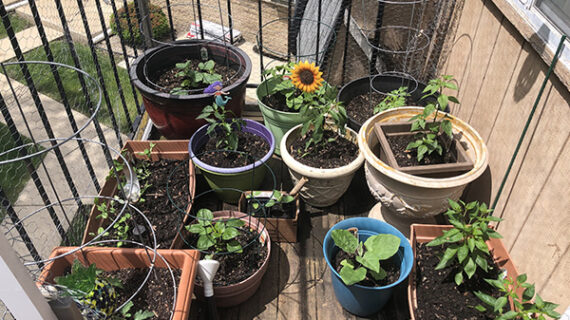
>> This is Tipi Produce. This is an organic vegetable farm, about 25 acres in Fitchburg, in southern Wisconsin. I'm with the owner, Steve Pincus. Steve, my first question has to be, why organic? >> Well, Shelley, organic gardening and farming produces the very best quality fruits and vegetable. It's the way to go for a small diversified farm or backyard gardener. >> Who do you sell your produce to? >> We sell at the Dane County Farmers' Market on Saturday morning. But most of our produce is sold to restaurants and stores in Madison, Milwaukee and also Chicago. >> I don't think of restaurants as being a big buyer of organic produce. >> High-end restaurants really want to put out the best product they can. They want to give their customers the best food available. They're looking for the best ingredients, and they turn to organic farmers. >> Okay. If you were going to give some advice to a home gardener, on a much smaller scale than what you've got here, what would you suggest? >> I think the number one tip is feed your soil. As organic farmers, what we're really doing is farming our soil. We're really taking care of the biological life that's in our soil; bacteria, fungi, actinomycetes, invertebrates like Springtails that help breakdown organic material, recycle it and provide nutrients for healthy plants. >> Okay. >> We can use any sort of organic materials. Things like old hay or straw in a backyard garden, leaves. >> Grass clippings. >> Grass clipping are very available and work extremely well. When we can get it we like to use compost material. Materials that have been composted. We have two types here. Both of these composts are about a year old. This is a more fibrous, less nitrogenous compost material that needs some more seasoning. Or we could use it this way as mulch, right on top of the ground. >> Okay. >> But what we really like to use, as fertilizer to work into the soil, is well-finished, dark, crumbly material like this. >> So this is the finished product. This is perfect. >> This is it. This is the real stuff. >> What other tips then? We feed the soil. That's a good one and I think we all tend to forget it. What else would you suggest to an organic home-gardener? >> I think the plant diversity. It's really important to have a variety of plants in your garden. It helps balance out the weather ups and downs. Something's always going to be working well and providing good food for you. >> That's true. >> And it allows us to rotate crops throughout the fields or around the garden. >> That's important for disease control, isn't it? >> Yeah, it really it. Different families of crops are susceptible to different diseases. Many of these are soil born. Also, nutritional need are different families are different. So by rotating around, you help balance out the nutritional draws from the soil. >> You know, I tend to find that in planting my garden, and in rotating, I tend to overreact at every little problem that comes up in my garden. Am I doing the right thing as an organic gardener? >> Well, organic gardening is like a conversation with nature. It's not really a monologue. The gardener really has to listen and see what's going on in the garden as much as talk to and take care of the garden. Some problems just go away on their own. Most of them never develop to be serious. If you've taken care of your soil, on a small, diverse garden, you're not likely major problems. >> So don't hover and overreact very time something looks a little abnormal. >> No, it's fun to go out and play in the garden, but not worry about it. Have fun. >> Okay. Do flowers have a role in organic gardening? >> Sure, they do! They add diversity and they bring in nectar and pollen, and a habitat for beneficial insects that can really help provide some control of past insects. Let me show you something over here. >> Okay.


 Passport














Follow Us