








PBS Wisconsin Passport
Watch this video with
PBS Wisconsin Passport
Become a member of PBS Wisconsin, support your local community, and get extended access to PBS shows, films, and specials, like this one.
Jocassee – The Jewel of the Escarpment
01/07/19 | 26m 48s | Rating: TV-G
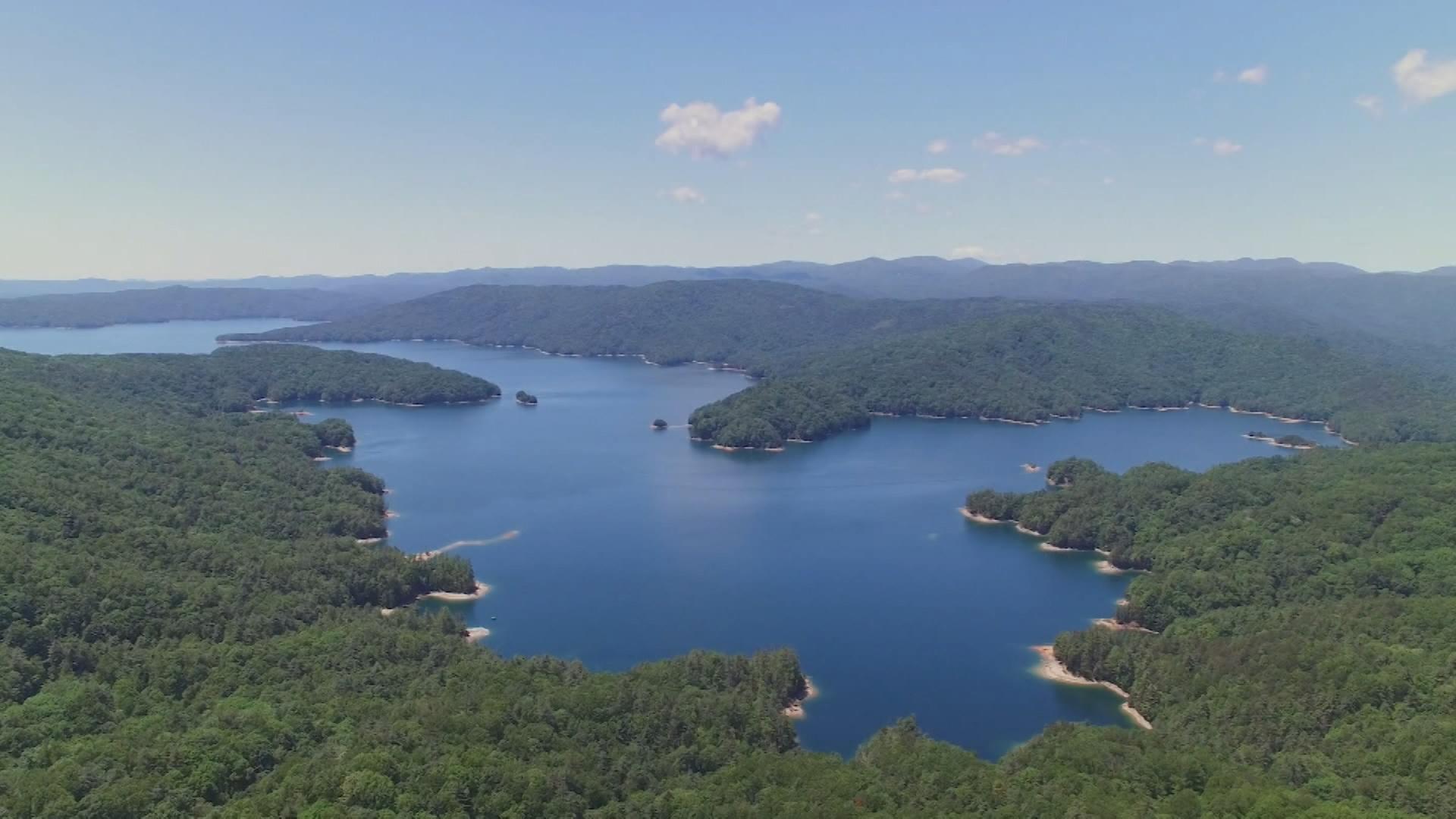
One of the last best places on earth – that’s the designation given to this glistening, crystal clear lake and surrounding area by National Geographic. Jocassee is a place that is both well-known and still somewhat unexplored. Waterfalls, gorges, rare plants and animals as well as stunning scenery make this lake one of the most stunning places in the United States.


Copy and Paste the Following Code to Embed this Video:
Jocassee – The Jewel of the Escarpment
Water, lakes like this have always attracted people's attention. Our reservoirs provide us with a place to play and a pretty view. The places like this used to be free flowing rivers. They were altered by the hands of humans, to provide for our needs and our desires. There is one however that provides us with an unparalleled glimpse into one of the wildest and most diverse stretches of the Appalachians. A place that despite our hands, shows us that nature finds a way. One National Geographic's fifty last best places on the planet. Join me on today's expedition, as we explore Jocassee the jewel of the escarpment. But taking a look at this lake especially on a perfect autumn day like today. And you might think it's just absolutely pristine and it's not. This is a man made lake and it's actually not that old. This lake was constructed between nineteen sixty eight and nineteen seventy one. By nineteen seventy one it was filling up with water. And if you ever want to know what this area looked like prior to the lake filling it up. All you have to do is watch a very popular movie. A classic "Deliverance," the first few minutes of that program show you the dam, the wall, the quarry where they took the rock material to make the dam. Being constructed and and much of the valley, when it was just freshly timbered and getting ready to be flooded. So what was flooded when we built this lake, it was years and years and years of history. And Jocassee valley behind me is where this lake get it's name and that valley had been settled and farmed for generations but maybe for a thousand years before that. Native Americans made their home here, in these rich and fertile valleys. Where these many rivers came down and spread all the alluvium, all the rich soil into those valleys that they converged in. And it wasn't just the history that went under water at that time. It was also a lot of natural history that went under water because this was a wild and free flowing river. In the hillsides, in this valley were the location for many of the plants that make their home really only in this gorgeous area. Well just the simple fact of building this lake and suddenly we can make our way fairly easily into the upper river gorges, that would have been, i don't know a day day and a half or more to hike. From the closest point to get into. These extremely remote areas are much easier to explore, much easier to experience today. And the fact that the lake ended up being mostly protected around the shoreline. The fact that there's only thirty seven home sites and that's it. The fact there's only one boat ramp and so the boat traffic on this lake is really light. Except for on busy holiday weekends really in the summer. You can come here and be, just like today virtually the only boat in sight and the bird life, the animal life, has also adapted to this lake being here. And there's a lot of things today that we find here in the Oconee, Pickens county, that we would have never seen here, if you'd been here in the seventeen or eighteen hundreds. The sheer beauty of the this place is, well it's overwhelming. And if that was the only selling point for the importance of this incredible lake, in this incredible region, it would be enough. Enough to make number nine out of fifty. This is Wrights creek falls and it's one of many waterfalls that empty directly into lake Jocassee. And that creates almost like a fairy tale world, where you have this incredibly beautiful lake, these incredible hills and waterfalls all joining together. And on many days, when it's not peak season in the summer. Just like today. You can come out and be the only person, in a place like this. The water here in lake Jocassee, is among the cleanest and clearest of any body of water. Fresh water body water in North America. You see, this lake is formed from four major tributaries. Its formed from the Whitewater, The Thompson, the Toxaway and the Horsepasture and they all converged where Jocassee Valley itself used to sit. Underneath this lake today. And those rivers are wild wild places. They flow through essentially wilderness, from just over the North Carolina line. All the way down into lake Jocassee. The clarity of the water is unbelievable and that's because these watersheds are all on forested slopes, there's no development, there's not much at all to ruin the water quality. To send sentiment down into the water, so the water when it aggregates down here in the in the lake is just stunningly beautifully clear and that makes it a real go to for people that want to experience scuba diving in a fresh water lake. Where the clarity is almost what you see in the Caribbean. It makes it just a paradise for kayaking here on the lake. There's hardly a kayaking site on any lake, anywhere in the world, I know that's better than this. This falls right here, Wrights creek falls, when the lake is up, you can actually take a kayak right behind that waterfall and when it's down, you can beach your kayak right here and walk up and walk behind that waterfall and get a view of a waterfall that most people never get a chance to see. The view from behind. Well, aside from just the water sports that are here, this lake provides an incredible habitat for many species that wouldn't have been here without the lake being built. So we have three species of trout here. We have the state record Rainbow Trout and the state record Brown Trout coming from this lake. But there's also Bass's. LargeMouths, spotted bass, smallmouth bass and the native and endemic Bartram's bass, is found in this lake. All of the typical suspects and then some that are really special like the Bartram's bass that are unique, to the upper parts of the drainage of these Atlantic drainage rivers. That are sort of at the very top end of where they where they began right here with lake Jocassee. It's an incredible place and the scenery, the beauty of this place that's enough to make it one of the top fifty but it goes so much deeper than that because this place doesn't just hold beauty it holds diversity. Well it's almost impossible not to notice the incredible diversity that surrounds lake Jocassee this time of year because right now in the autumn, all of the hues and colors that are just different for every species and every individual of the deciduous trees that coat the slopes of these hills are in full glory. And right behind me here on devil springs mountain we can see not just one or two species but whole myriad of deciduous tree species. Last count that I had, about one hundred and twenty one species of trees that are found around lake Jocassee. Out of those hundred twenty one trees, over a hundred species are deciduous and each one has its own unique hue. So that this time of year. I can pick out the deep colors those deep Burgundy's, that are made by things like Sourwood. And the brilliant Reds and yellows that red maples come in. They really shade out in two different colors and the incredible brilliant gold this time of year of the hickorys but the diversity is way bigger than just trees here. Pickens county and Oconee county that share this lake. They each hold close to two thousand species of plants alone. Many of the plants and animals that are found here, can be found no where else. There what we call endemic species. You see, we're on the edge of the mountains. This is what we call an escarpment. And the Southern Blue Ridge escarpment eco region, which you're looking at right now, rising up behind my shoulders. This area is a place where you go from Piedmont, directly up hill, into the Blue Ridge, into the Appalachians and in only about twenty three miles, as the crow flies from here. You can move from eight or nine hundred feet in elevation. All the way up to over six thousand feet at the peak of the Balsam mountains And climate logically, that's like driving from place like Clemson, South Carolina, all the way up to the southern shores of Hudson Bay in Canada. You see, for every thousand feet we move up in elevation. We achieve the same amount of cooling, as we would achieve if we drove about five hundred miles north. Think about it. Overtime plants and animals have to be able to deal with change and that change comes usually in the form of changing climate. Climate hasn't ever been static. It's always been changing and as climate changes and as it goes to extremes. Plants and animals have to be able to move to accommodate that. How much easier is it to move a few hundred feet or a few miles than it is to move two or three thousand miles. So all escarpments work in that way by providing a vertical migration route for plants and animals to escape heat or to escape cold. This place is unique in having super high rainfall. Super dependable water and lots of it. Buffer temperatures because in the southern limit and been over very short period of time it has very abruptly changing elevation. And all this has worked together to make this spot magical but there's one more characteristic of this very area, that is truly made it a crucible of life. And to see that, we're going to travel right upstream a little bit farther. Into one of my favorite places on earth the Thompson river gorge. All the water here in the gorges area leads to a luxuriant growth of vegetation to and matter a fact, you find more species of mosses and liverworts here than any other place in eastern North America but it's not just the species richness here. It's what makes its home here in the gorges. That's so unique. This fern way back here under the recess of the rock. This is single sorus spleenwort. That is a tropical species of fern. That's growing here in a cold tempered climate. Incredible feature of these gorges is that they really are crucibles of life. They shelter life because all this moisture. The proximity to water and the protectiveness being down here on this deep deep gorge of the Thompson river, where I'm at right now. Means that it's sheltered from wind, from light and from abrupt changes in weather. And the latent heat of aberration of water. All the moisture in the air. Helps to buffer the heat and the cold to keep it from extremes and it allows things like the single sorus spleenwort that otherwise, to find normally in the wild you'd have to be in places like southern Mexico or South America. Allows these tropical ferns to grow here. Places where they are able to shelter life because of these extreme gorges. That provide tempered climate. Incredible. The crucible of life. Well all of this rain. Up here in the Thompson River gorge. Coupled with all the moisture coming from the river itself. It's just Screamin down through here. Means that we're literally in a rain forest and like any rain forests everything is covered with life. All the rocks and all the trees appear to be covered with moss but not everything's a moss. This rock right behind me that looks like it's all moss. Is actually Liken. A lot of moss diversity but the majority of what's covering this rock is liverwort. This one is an excellent example and it's really common here in the Thompson river. This one is I believe a species of bazzania and they're really distinctive in that they fork at about a forty five degree angle or sixty degree angle, when they do branch and the tips of each one of those branches looks like a little hooded cobra to me. With the little leaf like structures coming out on either side and sort of declining. So you have to look really close to tell whether you're looking at a lukeabrnum or a dicranum. Any of these mosses that are truly mosses or whether your actually looking at is a liverwort. And believe it or not we have one of the highest moss diversities anywhere in America here and the highest diversity of liverworts in Eastern North America. Right here, in the gorges. When we start to look in close detail you'll see, there's probably five or six species of liverworts here and five or six species of moss. Just on one boulder. It's an incredible place in just what you'd expect in a temperate rainforest. It's in really protected places like this. This incredible little grotto that we sorta walked back into here. That the true nature of these gorges and the importance of these gorges really becomes clear as day if you know what you're looking at. We've seen that these incredibly humid places in these gorges hold high diversity. One of the highest diversities anywhere of liverworts and mosses but it also holds the highest diversity regionally, maybe in the United States for ferns. And this, believe it or not though it might look like a moss or a liverwort. This is a filmy ferns This is a fern, that is from a tropical family. You don't expect to see them growing in a cold temperate climate like were in here. But they're everywhere and this one is the smallest of all four of the filmy ferns that make their home here. This one is known as Peter's filmy fern and if you'd hardly know it wasn't a liverwort because it is the smallest of all the species. Just such a luxurious growth of it right here. Way back in this recess and it this is where you find these ferns. You don't find them growing out, where water, specially rain water is likely to wash them away. They grow in these deep dark recesses. Where there protected from rain water and all the water they're getting it's it's what seeps out of the rock and the humidity that's in the air and that's really keen for the survival of a filmy fern. Because a filmy fern has leaves that are really filmy. There only a cell layer thick in most cases and that means if they dry out, at all. Their dead. So you have to live in a place next to rapidly flowing water in a protective gorge in a dark recess with enough rainfall to provide seepage water coming through the rocks. As well, and those conditions really aren't common in the temperate world. This is a species that's really unique to the Appalachians. This one is not tropical. It comes from a family of tropical ferns and believe it or not, just a few drainages over in eastatoe creek, we have a species of fern called hymenophyllum tunbrigense and hymenophyllum tunbrigense is called the Tunbridge fern. Is known from a little corner of England. Ireland where doesn't really freeze and one spot in all of North America and that's here in eastatoe creek. Otherwise, this fern is found in the tropics. In cloud forests in the Caribbean, in Central America and South America and also can find it here in the gorges. The filmy ferns are just an incredible example of how long this place has been constant enough. At least these microclimates that are created have been constant enough to buy provide a home that's stable enough for a tropical fern to land its spores here and long enough to become isolated enough to speciate into a unique and endemic species. Like the Peters filmy fern. Well, the really crazy thing here, is this is from a tropical family. Their are tropical liverworts. There's other tropical ferns. A single sorus spleenwort growing right here. In this very drainage. But Just on the other side of this rock is mountain spleenwort and that's a fern that we don't usually think of growing at lower elevations. I think of that fern growing on the coldest most exposed peaks. Places like grandfather mountain, so we have really northern ferns, tropical ferns, growing side by side in these gorges. And that's the magic here. The magic is that the gorge It's self. The fact that we're so deep in sized in this landscape. It it were protected. The water itself provides even more humidity than the already rainy area has and that humidity tends to buffer the climate. Well down in the bottom of this gorge the sun never shines. The wind very rarely blows. It's always a little warmer in the winter time and it's always much cooler in the summer time. These little tiny nooks and crannies in these gorges provide stable micro climates. That have allowed plants and animals to find a home and we already had one of the highest fern diversities anywhere in North America right here. But a new discovery that we just made pushes that number over the limit. Well I'm here with my good friend Brooks Wade, who is with Jocassee lake tours and I've been lucky enough to spend a lot of time, with Brooks out here on the lake and his wife Kay. And Brooks has spent an enormous amount of time interested in studying the loons on this lake and when it comes to an unintended bonus. Sort of for what this lake has done. The loones have to be one of the highlights. Absolutely. And because of their presence here is my favorite season of the year. They are the life of the lake in winter here. Yeah, they sure are. And it's just amazing to be out here and you get to hear the loons yoodle. We just heard them. We've been watching these groups feeding and resting and and doing neat things. The ability to observe that,I think is a rare thing. For people who are who are more familiar with loones in the summer. But not just that approachable in summer months and when they form these great groups that we get to see them here. A hundred and fifty hundred and sixty birds every year. We've been counting them for several years now. So tell me what you've learned about these loons over the past couple of years. May actually forage feed and they will do what you see dolphins do in the ocean. They will heard fish and then penetrate through the through the through the schools of fish. No Kidding. Never been witnessed in loons prior to observing them in a freshwater body of water. Wow. We have taken days we spent six in eight hours and do nothing but data record on one bird. Really. All day. All day. Every five minutes, every two minutes, what's he doing. Is he diving, is the peering, which is just looking into the water. Is he resting. They'll actually nap at two o'clock. no kidding. If you watch the birds it's just this universal nap time that goes on in the winter here around two o'clock. All of a sudden there heads took and they rest and they come out of that in thirty minutes then they proceed to get hungry again. There's this behavioral pattern that goes on through the day between resting, peering, venturing a little bit. It's a predictable, recordable behavior that goes on in a day. They go to the same breeding ponds in summer, every year. Same one and not only to the same lake but to the same region. And it's such a weird bird with those feet all the way back. So far back on its body that it can't even walk on land and, to think, that this bird has been living like this for millions of years. You know, and just in the last four decades decide to make it's home here. But a couple of months, you know when migration doing. Yeah it's crazy. So if you ever get a chance to come lake Jocassee you have to come out and visit the loones because it really is an experience that a lot of southerners don't get. And you definitely don't get as close to loones, as we are lucky enough to here on lake Jocassee. No better place to see loones but this is only one of the unintended consequences of building this lake and one of the most surprising consequences of building this lake. Your wife found Kay. Indeed. And that's where we're headed next. I'm constantly amazed at the diversity that we're still discovering. The twenty first century here in the jocassee gorges area. And two weeks ago my friend Kay Wade had been telling me about a cliffbrake that she found on this exposed rock cut just above the dam at lake to Jocassee. And she told me. Well we think it's a purple cliffbrake. She really wanted to show me. Well, finally she got me out here to show me and I was absolutely beside myself because not only is it a bcliffbrake ut it's not purple cliffbrake. It's not the one species that you would expect to find in South Carolina. It's a species that I know from West Texas. This is a Wright's cliffbrake. Pellaea Wrightiana. And There's not just this one small patch of Wright's cliffbrake. there's over two thousand large clumps along about a quarter mile shoreline here. All on this rock cut. But then when we came back last week. We saw with binoculars a couple other species that we couldn't get to. Today we're going to bring a climber out and we're going to actually see, if we can document. If we can have, in hand a frond from two more species, that are western in distribution. The last time I was here was extremely frustrating because I can see right up there and I can see through my binoculars. What that fern is but we don't actually have a documented until we have it in hand. We need a leaf to put in the oberin to put in the collection. To document this plant from South Carolina. We document it in every way. Photographs, video, and now with a dried leaf. So that we can once and for all say that what we think is Astrolepis Sinuata. A fern from like West Texas is here in the jocassee gorges region. So I enlisted the help of my good friend Cody Davis, he's worked at the garden. At the botanical garden with me for four years. Getting ready to graduate and really skilled rock climber. For him nothing to get up there and in a few minutes were gonna know whether or not we found another new fern for South Carolina and and only the second time this plant would be found east of Texas. What you think Cody. Gold on the back. That's it. Wow dude! That is AstorLepis sinuata. Good gosh. look how rich chestnut that is on the back. And then they, you see how, each one of the penne are really symmetrical. That's how you know it's not the other species that has been found, only one other time. Only one other species has been found and then again only once in the eastern US and that's AstorLepis integerrima, which is found in Alabama. But this is AstorLepis sinuata and now that we have a specimen. Sucker is documented for South Carolina. Documented for the Carolinas and the population here is huge. There's thousands of these up on the cliff. We counted over sixteen hundred peregrina and there's got to be over five hundred plus clumps of this on this rock face and all this rock faces just brand new exposed, since ninetenn sixty eight, sixty nine. I think we may have pushed Pickens county into having the highest diversity of fern and fern relatives of any county, anywhere in the United States. We will have to get home and tally up the numbers but it's really exciting and to be on the edge of discovery, it's just remarkable. Cool. Thank you dude. Perhaps the most beautiful thing about Jocassee to me, is that despite our destruction are change that we brought on to this system. Life has found a way. Diversity continues to thrive and the choices that we made have provided an Avenue, an opportunity for new plants and new animals to make their home here nestled in the hills. I'm Patrick McMillan. Wishing you your own exciting expedition. To purchase a copy call toll free one eight hundred five five three seven seven five two or order online at www.etvstore.org
Search Episodes

Donate to sign up. Activate and sign in to Passport. It's that easy to help PBS Wisconsin serve your community through media that educates, inspires, and entertains.
Make your membership gift today
Only for new users: Activate Passport using your code or email address
Already a member?
Look up my account
Need some help? Go to FAQ or visit PBS Passport Help
Need help accessing PBS Wisconsin anywhere?

Online Access | Platform & Device Access | Cable or Satellite Access | Over-The-Air Access
Visit Access Guide
Need help accessing PBS Wisconsin anywhere?
Visit Our
Live TV Access Guide
Online AccessPlatform & Device Access
Cable or Satellite Access
Over-The-Air Access
Visit Access Guide




Follow Us