








PBS Wisconsin Passport
Watch this video with
PBS Wisconsin Passport
Become a member of PBS Wisconsin, support your local community, and get extended access to PBS shows, films, and specials, like this one.
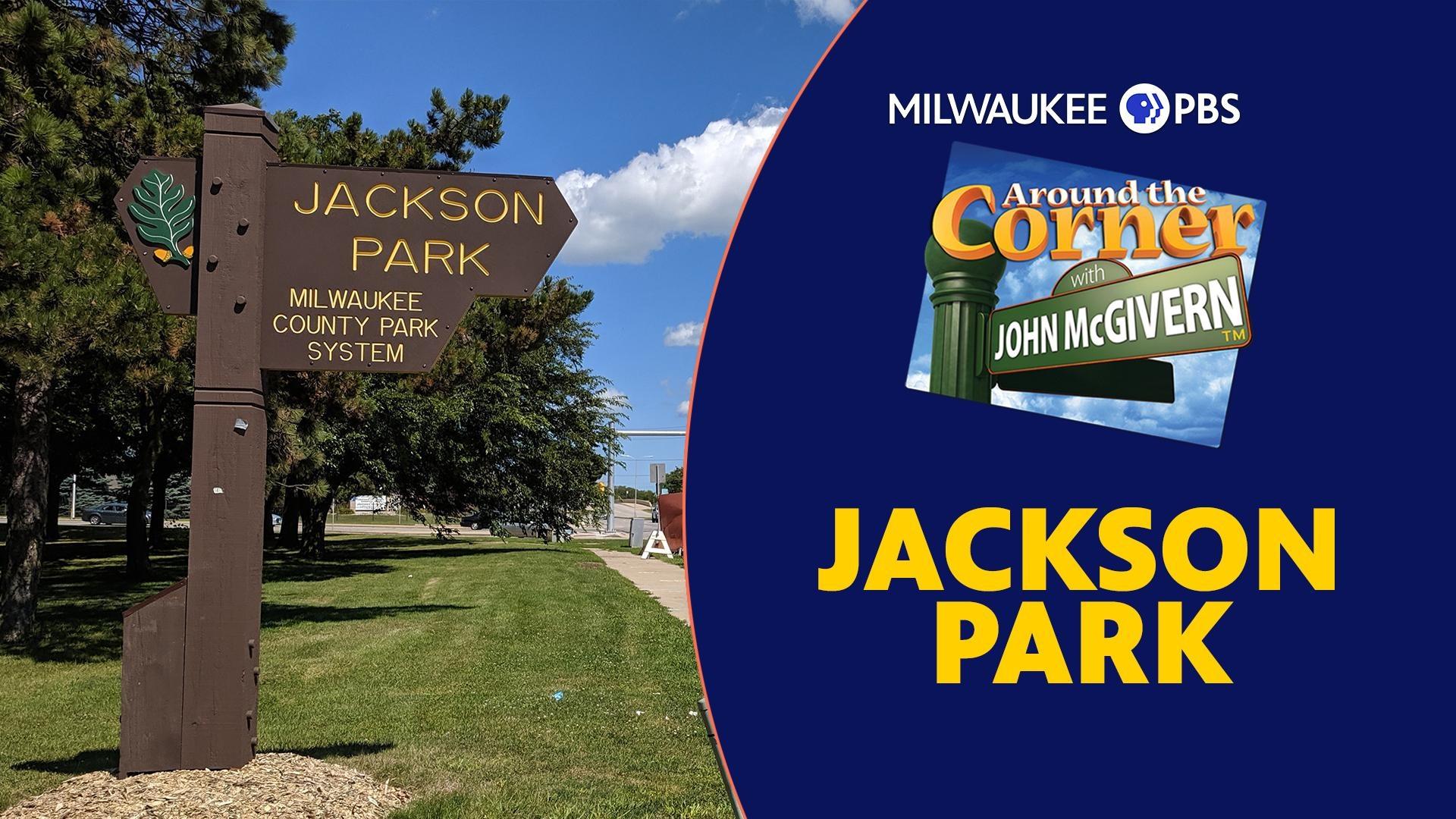
Jackson Park
04/02/20 | 26m 46s | Rating: NR
Jackson Park is one of our favorites this season, and not just because we didn’t have to use our GPS even once! As John said, this neighborhood has a heart all its own, and it’s a strong, healthy heart. Thanks to everyone in Jackson Park for pumping vitality and beauty into Milwaukee!


Copy and Paste the Following Code to Embed this Video:
Jackson Park
(gentle music) I'm on Oklahoma, 43rd and Forest Home. This is the middle of the Milwaukee neighborhood known as Jackson Park. (plucky upbeat music) That's the base. (gentle upbeat music) I am in the heart of the neighborhood called Jackson Park. It's called that because there is a park called Jackson Park (bell dinging) just west of here. Hey, John. - Hey, John, how are you? Just fine. - This is a great story. I love the fact that this is your growing up years, here. I spent the first eight years of my life, John, in a little postwar prefab over on South 34th St, and Jackson Park was a really huge part of my childhood. I can recall fishing for crayfish with my uncle Paul in the old lagoon, swimming in the old county pool, and walking a half mile to Manitoba School for AM and PM kindergarten. - Sure. Right on the edge of the park. So a great place to grow up, and only much later did I realize how historic this area is. -
John M.
Historic why? It begins with the park. - Uh-huh. -
John G.
And that starts as a wooded picnic grove on the old Jamesville Plank Road, which is now Forest Home Avenue. The city bought it for park use back in 1907, although there were only farmers out here at the time. They always tried to buy in advance of need, 'cause they were sure a neighborhood would develop. -
John M.
And obviously, it did. But not 'til the 1920s. - Mm. That's when Polish and German southsiders began to move out here from the old neighborhood, and a lot of them are moving up in the world, so the homes they built were kind of symbols of success, brick and stone, leaded glass windows, hardwood floors. The house on the little hill here-- Yeah. - is from the 1920s, and it's a smaller example of a type they call period revival, but other homes around here would have been right at home in Shorewood or Wauwatosa. So this was all part of the city by 1927, but the lifestyle was pretty much suburban, and people thought it would stay that way. And it didn't stay that way? No, the depression really froze things in their tracks, and that lasted for about 15 years, until the end of World War II. What happened then was just an explosion. You had all that pent up demand, plus the baby boom, plus the hot economy, so there was just a frenzy of building activity. It was still the old south siders moving south and west, but now it's all income levels, so the houses were smaller, a lot of Cape Cods and ranches. So right next door here is a small ranch, built without a basement, back in 1949. Hm. And you can see how they changed the grade here. - Yeah. So it disrupted the old landscape. By 1955, this neighborhood was full, and about a third of the houses were built before the depression, about two-thirds after World War II, and that 15-year gap produced some really pretty obvious contrasts here. -
John M.
And was it just houses that were built? No, institutions were-- - Okay. -
John G.
moving out here as well. In 1952, St. Luke's Hospital moves from Walker's Point to 27th and Oklahoma. Serbian families come out from the same neighborhood. In 1949, they built Serb Hall on 51st and Oklahoma, and 10 years later finished the gorgeous St. Sava Cathedral. -
John M.
Beautiful. -
John G.
The biggest transplant was Alverno College. Mm. - In 1953, it moved from the Franciscan Mother House on 27th and Greenfield on to an old farm on 43rd and Morgan, and over the years, they've become just a national leader in women's higher education. -
John M.
Who lives here now? The Jackson Park neighborhood's always been kind of the old south side once removed, and as the south side has changed, so has the neighborhood. A lot of Polish-German ancestry still out here, but about 30% of the population is Latino, so same story, different chapter. -
John M.
Population? -
John G.
About 12,000. -
John M.
And the location? -
John G.
Basically from South 27th to South 51st between Morgan Avenue and the Kinnickinnic River. -
John M.
Great. Is it great to be riding your bike in your old haunts as a kid? - Yep. A lot of memories here, John. And I can recall when I was riding a tricycle-- There you go! - In these same streets. Thanks, John. - See you, John. -
Chris
About 1,800 patients have been cared for here. -
John M.
And it's lifesaving. It's lifesaving. - That's what it is. It is lifesaving. So without further ado, let's head on in to our procedure room. So let me tell you how important my job is. (laughs) This place was referred to as like a small city. -
Marie
Well, in total, there's over 6,000 employees here. What?! Yeah, it is a small city. Right? - It is. Yeah. - It is. Zipper goes forward. Aurora St. Luke's actually has a longstanding history of excellent cardiac care. So we're going to enter on into the cath lab. All of our procedures are done with x-ray equipment. Here, we have the catheter. This is actually a live x-ray. So you can see the shape of the heart, right? -
John M.
Mm-hm. In the old days, the only options when you had heart disease was open heart surgery, and now-- - Yeah. You come in, you have your procedure done, you go home the same day. This is where we will do our coronary procedures, fixing the vessels in the heart. We have a total of six of these rooms. -
John M.
This is known as a heart hospital? -
Marie
That is our call to fame. Yeah. - But we have so much more than heart. -
Chris
That's a beautiful picture. We have a large neurosciences program. Just as we do cardiac research, we have a large orthopedic program, we have a very large cancer program, lots of solid, concrete programs. And then, we serve as community hospital -
John M.
That's right. to the surrounding community. One of the things that I really want to highlight is our 24/7 program, because it's unique. St. Luke's is staffed 24/7, 365 with a cath lab team and an interventional cardiologist. Having people here to care for patients rather than having them get called in leads to faster care for patients and better outcomes. -
Marie
We have anywhere from 420 to 470,000 outpatient visits a year, and then we have about 27 to 30,000 inpatient. -
Chris
Our saying is we help people live well, and I firmly believe that. -
John M.
Tell our audience where we're standing. We are on the eighth floor in the healing garden. If you'll notice, John, there's a door over there that a bed can fit through, so sometimes we have patients who have been here for longer than they would have hoped, and so we can actually bring them out here, and they can get some sunshine and feel the summer breeze. It's just that moment away that you need. We're inside the Starbucks at St. Luke's.
Statistic
largest, busiest Starbucks in the state of Wisconsin. I swear. So the mirrors are off already. -
Mike Suttner
Statistic
This is called a wrecking area, John. These are vehicles here that are not going to be kept. These are gonna be scrapped. -
John
Statistic
So the auto salvage business, I know nothing about it. A lot of people refer to it as a junkyard. We like to think of it as an automotive recycling facility. We have two types of vehicles. We have a vehicle which we consider a scrap vehicle. We take the tires off, we take the gas tanks off, we recycle the gas. Our employees get a tank of gas every week. -
John
Statistic
They do? Yes, they do. That's a great perk. - And it's part of their fringe benefits. - That's great! Yes. - Yeah. Some of these cars aren't that old. And then we have another category of vehicle called a parts car. This one here has a headlight that's gone to have been sold. Now this is a vehicle that we put into our computer and inventory the parts, so anytime our counter people get a call for a part, we're able to punch into that computer, and we're able to see the location of the part, and the price of the part, and also the condition of the part. We have actually shipped parts to California, Utah, Washington, all over the country, and that's the advantage of buying used versus new. Normally we're priced approximately 50% of what a new one would cost. Yeah. What are people mostly looking for? Tires. - Tires? Tires is very common. Starters and alternators. Of course, from collisions, you sell fenders, bumpers, headlights, turn signals, mirrors. That's one thing about the whole nature of this business. Everything gets recycled. It's like the Indian and the buffalo, nothing goes to waste. -
John
Statistic
How many employees do you have here? -
Mike
Statistic
We've got 17 employees. Well, I have all four of my children working here, my daughter and three sons. - Nice. -
Mike
Statistic
I have two grandsons and two nephews. -
John
Statistic
Yeah. -
Mike
Statistic
One of my employees has actually been here for 40 years. -
John
Statistic
Do you have a dog in the yard? The days of the dog are gone. Are they? Driving up, we were like, "Wonder if they have a dog." Yeah, well, we used to have dogs. Now the dog has been replaced by outside motion detectors and cameras. -
John M.
Statistic
Yeah. -
Mike
Statistic
We have a sophisticated alarm system. -
John M.
Statistic
Let's talk about what happens at Three Seeds Clinic. -
Miriam Miranda
Statistic
We're primarily an acupuncture clinic, but we also do Gua Sha, cupping, we have herbal medicines, and we have herbs that we blend for teas, as well. The treatment that she's going to get is called Gua Sha. -
John M.
Statistic
Gua Sha? It's how it makes her feel and how the circulation is moving. I know sometimes-- - I can tell a difference. It feels like relief. It does? - Yeah. -
Miriam
Statistic
We focus on traditional Chinese medicine. I couldn't walk or turn my head. This acupuncture is something I would have never even thought of. For westerners-- - Mm-hm. -
John
Statistic
Do some come in and say, "You're gonna what?" -
Holt Andrus
Statistic
Usually, once they've come through the door, they're already past that point. They're like, "Okay, this is something different, "but I'm open to it." -
Male Patient
Statistic
All I say, it works for me. Or they're already predisposed to just, like, "Oh, if it works for a billion Chinese people, "it could well work for me." (John laughing) -
Miriam
Statistic
We can't heal broken bones, but for that chronic pain, due to inflammation or overuse, we can certainly diminish that. You can treat it. - Yeah. -
Miriam
Statistic
We can treat it. People come in for more than just physical ailments. Sure. - A lot of times, it's mental. How long are these left on? We'll usually do about 10 minutes. Lots and lots of stress and anxiety. -
John
Statistic
Yeah. Lots of digestive issues. What do you have for us? This tea is called Sooth Your Blues. It's to help you relax. -
Miriam
Statistic
We're providing a service that offers relief to others. In Chinese medicine, they say "root and branch." So usually when people come in, they're complaining about a condition that's a branch condition. We want to try and treat the root, so that's the whole idea of-- - Which then heals the brain? Holistic medicine, right. And may also heal other problems they're having. -
John
Statistic
What's the sense of these when they're on, Ava? -
Ava
Statistic
Kind of like a pulling, and like a tingling. So we're in the Jackson Park neighborhood, and I know what you're thinking. You're thinking, "Is that another park "in the Jackson Park neighborhood?" No, it's not. This is a boulevard on a street they call 30th Street. Shouldn't they call it 30th Boulevard? Look at this. (gentle upbeat music) Wow. This church is iconic. People who know this neighborhood, who know this part of town, know this church. -
Dean Veleusic
Statistic
Here we have Saint Sava. -
John
Statistic
The moment we walked in, you pointed out that these aren't paintings in this church. -
Dean Veleusic
Statistic
No painting. Every square inch is covered in mosaics. In mosaics? - Yes. And colors of mosaics can never be changed. -
John
Statistic
Right, yeah. Because essentially, it is a glass. - Right. -
Dean Veleusic
Statistic
Where any kind of painting fades. -
John
Statistic
Can we talk about the Serbian population in Milwaukee, and how many parishioners do you have? -
Dean
Statistic
It's very difficult to answer that question, because population changes. In the last 15, 20 years, we welcomed about 350 families of refugees-- - Mm-hm. -
Dean Veleusic
Statistic
who came from former Yugoslavia. But we have fourth generation of Serbian people born in Milwaukee already. My estimate is 7,000 Serbian people in Milwaukee area. We serve two liturgy service Sunday morning. One is in English, completely. - Uh-huh. -
Dean Veleusic
Statistic
And second one is in Serbian. -
John
Statistic
It's a beautiful church, built in what year? 1956-57. But I have to tell you the most beautiful church is church full of faithful. -
John
Statistic
That's right. What's this church's relationship with the hall next door? -
Dean Veleusic
Statistic
Serb Hall is property of church. -
John
Statistic
It's property of church? -
Dean Veleusic
Statistic
And Serb Hall was built before church. -
John
Statistic
Yeah. -
Paul
Statistic
In 1950, they bought this whole block, and the first thing they did was build Serb Hall. After just 10 years, they had earned enough money and saved enough to build the cathedral, which is about 100 yards away. So that was the intent? Yes. This is the original Serb Hall. -
John
Statistic
So you could have a wedding of 880 and a wedding of 1,000? -
Paul
Statistic
You can. We do them, we pull them off. - Yeah. -
Paul
Statistic
That's the unique thing about Serb Hall. It's one of the last few big venues on the south side. -
John
Statistic
Function-wise, is it still as busy as it's ever been? - It is. There's bingo every Tuesday. You know, after funerals, we have luncheons here, but we have quinceneras. -
John
Statistic
So there was always a bowling alley in here? -
Paul
Statistic
Yeah, and that's been unchanged, except for updating-- - How many lanes? -
Paul
Statistic
12. So on a busy fish fry Friday, these are usually people waiting, right? Right. There's a line to, you know, the fish fries are popular. And not just during Lent. No, it's year round. -
John
Statistic
What presidents have stopped by here? Reagan, Clinton, President Bush the Senior through a ball down the bowling alley for the cameras, and he fell down. There was a famous picture of him lying on the alleys after letting go of his ball. So I am in the neighborhood of Harder Oaks, which is inside the neighborhood of Jackson Park. It's a great little neighborhood that goes from Alverno to 35th, and from Morgan to Ohio. A neighborhood inside a neighborhood. We're at Alverno College, which is an incredible campus in the middle-- - It is. -
John
Statistic
of our city of Milwaukee. Isn't it beautiful? - Yeah, it sure is. -
Carole
Statistic
And you came at the perfect season, because it's gorgeous, and everything's blooming. It's great. Let's talk the history-- - Yes. of this place. - Yes. We are an ability-based curriculum, which means that students have to develop and show achievement in eight abilities in order to graduate, and those eight abilities are things like problem solving, communication, aesthetic engagement. Analysis. - Yeah. So we don't lecture. Maybe 10 minutes, five minutes here. Everything is active. You need to be able to demonstrate not just your knowledge, but what you can do with it. -
John
Statistic
So the way you learned in high school, is that the way you learn here? -
Alejandra
Statistic
No. - Is it-- It's the actual real-world experience that you're gonna get out in the workforce. Yeah. - You're gonna get that narrative, what you're doing right and what you're doing wrong. Hello. -
Alejandra
Statistic
I think I was looking for that. That's what I needed more than anything. -
John
Statistic
And you had no idea you were looking for it? - No. Are you from the area? - I am. I'm five minutes away. -
John
Statistic
And the population, where do they come from? -
Carole
Statistic
I think we very much draw from this area, from our neighborhood, as well as Illinois, Minnesota. Our students are, I think, about 69% of them are first generation-- - Yeah. -
Carole
Statistic
To come to college, which I take as a huge responsibility. Are you the first in your family? - I am, yes. -
Carole
Statistic
We are the very first Hispanic-serving institution in the state, at least as of right now, that have been awarded that. -
John
Statistic
And program-wise, what's... -
Carole
Statistic
If you look at our programs, we look like a fairly traditional college. We've got almost every major that you could find in most other places. Our biggest majors right now, social work, obviously nursing. - Mm-hm. -
Carole
Statistic
Any of the healthcare fields. -
John
Statistic
Student-wise, how many? Undergrad is still all women, and about 1,200 students. Our graduate programs are about another 600, and our graduate programs are coed. Maybe 70% of our women when they graduate stay in the area, so I feel like we are contributing to the intellectual development of Milwaukee. I teach at Alverno because I'm empowering women for leadership, and what better job can you have? -
Alejandra
Statistic
It's the only place that you can see actual women working together, learning together, but also developing themselves professionally. - Yeah. Jackson Park is a diverse neighborhood with a significant Latino population, so I stopped at El Ray, and one of the things that I picked up was El Conquistador, the most sought after, largest Latino newspaper in the state, and it's published where? In Jackson Park. This is Bryan Barnes, we were talking about the Jackson Park Security and Safety Patrol. Right? - Yes, sir. It's a neighborhood patrol. That's correct. How did it start, how long has it been going on? -
Bryan
Statistic
The safety patrol was established in 2014, basically with just combined effort of residents that wanted to kind of promote neighborhood watch throughout the community. - Yeah. -
Bryan
Statistic
So we just kind of took it a little bit step farther, and we started establishing two divisions of patrol, foot patrol and mobile patrol. One of the biggest deterrents for crime is just people being outside, being active. We have a lot of people who walk through the community just for exercise. - Yeah. While we're out walking, we might as well just kind of treat it as a patrol. There really wasn't a need, as far as there was high crime or anything in the community. Jackson Park is some of the lower crime in the south side of Milwaukee. But it was just literally people valued the community. It's a great community, it's close-knit. - Yeah. I think our mission statement says it all, and that's just that it's to inspire and encourage people to help build a safe and secure community. That's really all we're trying to do. So I was raised on the east side, where the houses are this close together, and you knew everybody. Right. - Like Hilda Wasilewski, she was the neighborhood watch. She knew everything-- - Right. that was going on at all times. Right. - And it used to be that neighborhoods were like that. -
Bryan
Statistic
Yeah, we get the comment all the time that they love to see that little amber light flashing at night-- - There you go. -
Bryan
Statistic
knowing we're out there, and we're watching over them. Yeah. - It is all volunteer. Police Officer Michael Michalski died in the line of duty in 2018. This bench pays tribute to his service, here in Manitoba Park, in the neighborhood that he called home. Michael, the back of your shirt says "Tenor Veritas." Two schools, one's in downtown Milwaukee, Veritas is here in Jackson Park. -
Mike
Statistic
And they coop with Tenor so they can have enough kids to participate, and we're talking boy's soccer, John. They are in the Indian Trails Conference, and they haven't lost a game in five years. Well, that's good. So they're the leaders in that conference. They are the leaders in that conference. - Great. The hard part for them is because they coop with Tenor, they're now a division three school when it comes to WIAA rules. - Oh. So when it comes to tournament time, they've not yet won a tournament game, so that's kind of the goal at this point. And at Veritas, they have track and field, volleyball, basketball. They don't have a gym at Veritas. They don't have a field, so they come here to Zablocki Park to practice. - Yeah. And if they have home games, they play 'em at Uihlein Park, which is on 76th and Good Hope. It's not known as a real athletic school, because they have no facilities, so not a lot of kids go to this school in order to play sports. - To play this, yeah. -
Mike
Statistic
They go because of the academics, and then they play sports, because they're given the opportunity. Well, hopefully, this year. Thanks, Mike. - Thanks. That's the Jackson Park Lagoon inside Jackson Park. This is the park that this neighborhood is named after. This park was built in 1907, and it has 113 acres, which is a sizeable park for the city of Milwaukee. Yeah, Jackson Park. Can we talk about what the difference is between when your parents opened this 'til now? -
Marie Greguska
Statistic
1960 was the time of gin martinis, it's the time of Manhattans. Back in those days, there was Pabst, Hamms, Meister Brau. -
Frank
Statistic
Gettleman, 1,000 dollar. 1,000 dollar beer, and domestic. Now we carry 2,000 different types of beers. -
Marie
Statistic
We carry 4,000 different types of liquor and 8,000 different types of wine, so it's the selection that's available to the average consumer is mind boggling. -
John
Statistic
So you've been knowing this business your whole life, haven't you? -
Marie
Statistic
We grew up in the business. All of our first jobs were sorting the returnable soda and beer bottles in the basement. -
John
Statistic
Remember those?! Yes. - Yeah. And it's all family run? -
Marie
Statistic
All family run. Five siblings, all in the business. We're actually the oldest third generation-run liquor store in southeastern Wisconsin. We were actually the first store to carry New Glarus in Milwaukee and Waukesha. -
Frank
Statistic
I think the first time, we took 25 or 30 cases, just to try. - Just to try it. Sold it that weekend. Is that right? - Yep. Then we made another trip, and it was my van, and I think we put 60 or 70 cases in it, almost broke the truck. -
Marie
Statistic
In fact, they were kind enough when we had our 50th anniversary to make a special beer bottle for us, which actually has our parents on the cover. -
Frank
Statistic
And we love what we do. We like helping people. - Correct. -
Frank
Statistic
We love helping customers. It's in our blood. -
John
Statistic
189.99? Mm-hm, well, no. 159.99, on sale. Oh, I've gotta get it. No way. (laughs) - That's right. It's discount. This is Discount Liquor. This is Discount Liquor (laughing)? It's on sale. -
John
Statistic
If people showed up here at Discount Liquor and needed help, that's kind of what this place is known for, right? -
Tom
Statistic
Absolutely, yeah. Yeah, we'll point you in the right direction, find you what you'd like, and maybe something that you haven't seen before. - Yeah. Do people come in and say, "This is the beer I'm looking for"? Yes, all the time. - And will then end up being here? -
Marie
Statistic
Nine times out of 10, yes. And if it's not here and we can get it, we always will get it for our customer, yes. So if you came here as a kid, and now you shop here as an adult, what do you remember about Discount Liquor? Come on, what do you remember? Yep. This is it. (upbeat music) Still have 'em. So interesting statue. From across the lagoon, I thought, "That must be Andrew Jackson, or maybe Stonewall Jackson." It's no Jackson! It's some woman that they call the Statue of Commerce. Who's she?!? (gentle music) We're at Maria's Pizza, we're here at five o'clock-- -
Bonnie Crivello
Statistic
Yeah, you're welcome. -
John
Statistic
And it is busy as can be. Yes. - Yeah. -
Bonnie
Statistic
It's a busy place. It's a busy place? - Yeah. -
John
Statistic
How long have you been with it? -
Bonnie
Statistic
62 years. -
John
Statistic
What?! 62 years. - 62 years? (both laughing) Really? Yeah. So who's Maria? Maria was my mother. -
John
Statistic
Was your mom? -
Bonnie
Statistic
Yeah. -
John
Statistic
And she started the place? -
Bonnie
Statistic
Yes, she did. -
John
Statistic
And this place is known for really good pizza. I think it is. - Yeah. This is the greatest pizza I've ever had. -
John
Statistic
Ever? Ever. -
John
Statistic
Why'd you come here? Oh, the best pizza in Milwaukee. The best pizza in Milwaukee you just said? - Yep. Really? Who's your customer? -
Bonnie
Statistic
Well, we have generations of people that come in. -
John
Statistic
And not just neighborhood people? No. - No. Thanks a lot. We live out in Waukesha now, and we drive all the way out here. I've been doing this for years. -
John
Statistic
It's a destination pizza place, isn't it? -
Bonnie
Statistic
It is. They get off the plane to visit their parents, they come to Maria's first. Really? - Yeah. (laughing) -
John
Statistic
Is it just pizza on the menu? -
Bonnie
Statistic
Oh no, we have spaghetti, mostaccioli, lasagna. -
John
Statistic
Family recipe? My mother's recipe, we never changed anything. You didn't? - No, nothing. -
John
Statistic
Are there any secrets you can tell me? Not really. - No, not really? (laughing) (both laughing) This place, have you ever been here before? He's been here quite a bit. Since 1962, since they first ran a restaurant. Pickup. -
Bonnie
Statistic
We sell a lot of pizzas. You do? - Yes, a lot. -
John
Statistic
I see a square pizza coming out of the oven. - Yeah. -
John
Statistic
Has it always been square? -
Bonnie
Statistic
Yeah, and then we have the small one. -
John
Statistic
The small ones are round? Round. - And the big ones are square? -
Bonnie
Statistic
Right. -
John
Statistic
And what's the special pizza here? Maria's pizza, Maria's special. What's Maria's special? Cheese, sausage, mushrooms, and onions. Is that right? - Yeah. That's my favorite pizza. - Oh, see-- So Maria would have liked me. Yes. - Yeah. If you go somewhere else in the country, and you say "custard" to them, and they're like, "huh?" Like they don't know. What really is custard? -
Steven Schneider
Statistic
Well, frozen custard essentially is fresh cream and eggs. It's got a higher butter fat that gives it its creamy texture. -
John
Statistic
Mm-hm. And the real big difference between that and ice cream is that it's ran fresh. You know, ice cream is prepackaged, frozen custard is ran fresh. Here it comes. All day. -
Steven
Statistic
All day, yep. -
John
Statistic
It's coming out of that machine, isn't it? - Yeah. It's always coming out of that machine. There will be days we'll start the vanilla machine up, it'll be running from morning 'til night. Good. - Nonstop. I never shut it off. -
John
Statistic
Is that right? -
Steven
Statistic
Yep. -
John
Statistic
Your grandpa started this? -
Steven
Statistic
Yep, grandfather was Leon. We opened May 1st of 1942, and here we are today. -
John
Statistic
And is there a flavor of the day for you guys? -
Steven
Statistic
There is a flavor of the day. It used to be vanilla and chocolate. With the popularity of butter pecan, we found ourselves having to run butter pecan almost every day. Uh-huh. - So now, the flavors are vanilla, chocolate, and butter pecan. Always? - Every day. -
John
Statistic
Okay. -
Steven
Statistic
And then we rotate a fourth flavor in now. -
John
Statistic
It's the best frozen custard in the world, that's what I'm gonna say. -
Steven
Statistic
A total of eight flavors, we have all together. -
John
Statistic
Are you open every day? -
Steven
Statistic
We are closed major holidays, but we're open year around. You are? - Yeah. I mean, you'll come in the winter, you'll still see a lot of people, lots of diehards. With their snowshoes on, looking for custard. Yeah, in a blizzard, eating their cone outside, taking pictures in front of the sign, you know, snow blowing everywhere. -
John
Statistic
And people love your custard. Yeah, I've even had tornado sirens going off and people lining up out there. (John laughing) I'm serious. I'm trying to get in the basement, and they're just lining up. -
John
Statistic
(laughing) Are you lying? I'm not making that up. -
John
Statistic
We're closing the window! Yeah, exactly. Your neon, you better never change your neon sign, ever. This is iconic. - Yes. And it's really, I mean, you know where you're at when you drive by it, it's really-- -
Steven
Statistic
There's nothing like it, really, in the city. There isn't. This diverse neighborhood in Milwaukee really seems to have a heart of its own. I love Jackson Park. Here's your job, you have thirty seconds to tell us why Jackson Park is the best place in the world to live, work, and play, and Alderman, you can start now. This neighborhood, John, is an old slice of Americana. Beautiful homes, manicured lawns-- Yeah. - Gardens, tended by love. But most importantly, community, people looking out for one another, people checking on people, especially our older people. And I've got a number of block parties, which means that neighbors like one another. That's very cool. - Yeah. But I want to do a special shout out to Officer Mike Michalski, who gave his life, literally, for the city of Milwaukee, and his family still resides here. -
John
Statistic
Perfect. Thanks so much, Alderman. [] That part, you might wanna cut that out. Don't do that. (John laughing) It got down, though. It's really hard not to look at him. (Marie laughing) I'm telling you. (laughing) -
Cameraman
Statistic
Not because of the camera. (both laughing) -
Woman
Statistic
Maybe she's married to a Jackson. (laughing) She must be married to a Jackson. Tito. (woman laughing) Loved Jackson Park. Me too, John, and we couldn't do it without our underwriters. Thank you very much. - Thanks. (gentle music) -
Announcer
Statistic
The Greater Milwaukee Foundations's Ernest C. & Florence M. Schocke Fund, and by the David A. & Nancy E. Putz Fund. The Greater Milwaukee Foundation, inspiring philanthropy, serving donors, and strengthening communities, now and for the future. -
Announcer
Statistic
Michel's Corporation, serving the energy, transportation, telecommunications, and utility industries. Michel's, constructing North America's infrastructure for our future. -
Announcer
Statistic
We Energies Foundation and Wisconsin Public Service Foundation are proud to support public television. Together, we create a brighter future for the communities we serve. ATC moves electricity from where it's generated to communities where it's needed. American Transmission Company, helping to keep the lights on, businesses running, and communities strong. (crickets chirping)
Search Episodes

Donate to sign up. Activate and sign in to Passport. It's that easy to help PBS Wisconsin serve your community through media that educates, inspires, and entertains.
Make your membership gift today
Only for new users: Activate Passport using your code or email address
Already a member?
Look up my account
Need some help? Go to FAQ or visit PBS Passport Help
Need help accessing PBS Wisconsin anywhere?

Online Access | Platform & Device Access | Cable or Satellite Access | Over-The-Air Access
Visit Access Guide
Need help accessing PBS Wisconsin anywhere?
Visit Our
Live TV Access Guide
Online AccessPlatform & Device Access
Cable or Satellite Access
Over-The-Air Access
Visit Access Guide




Follow Us