

 Passport





Stephen Webster on white corn cuisine and barters for trade
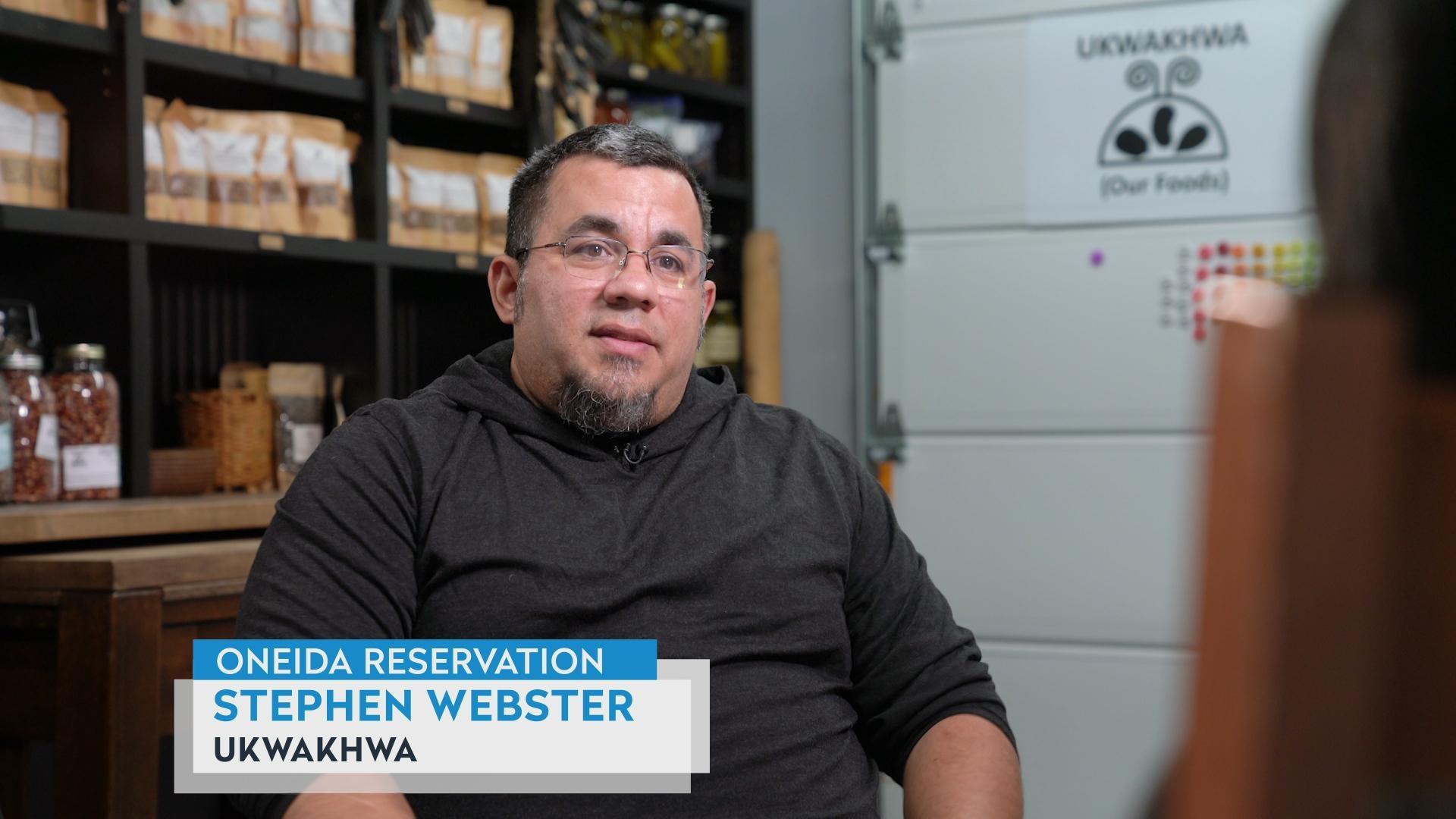
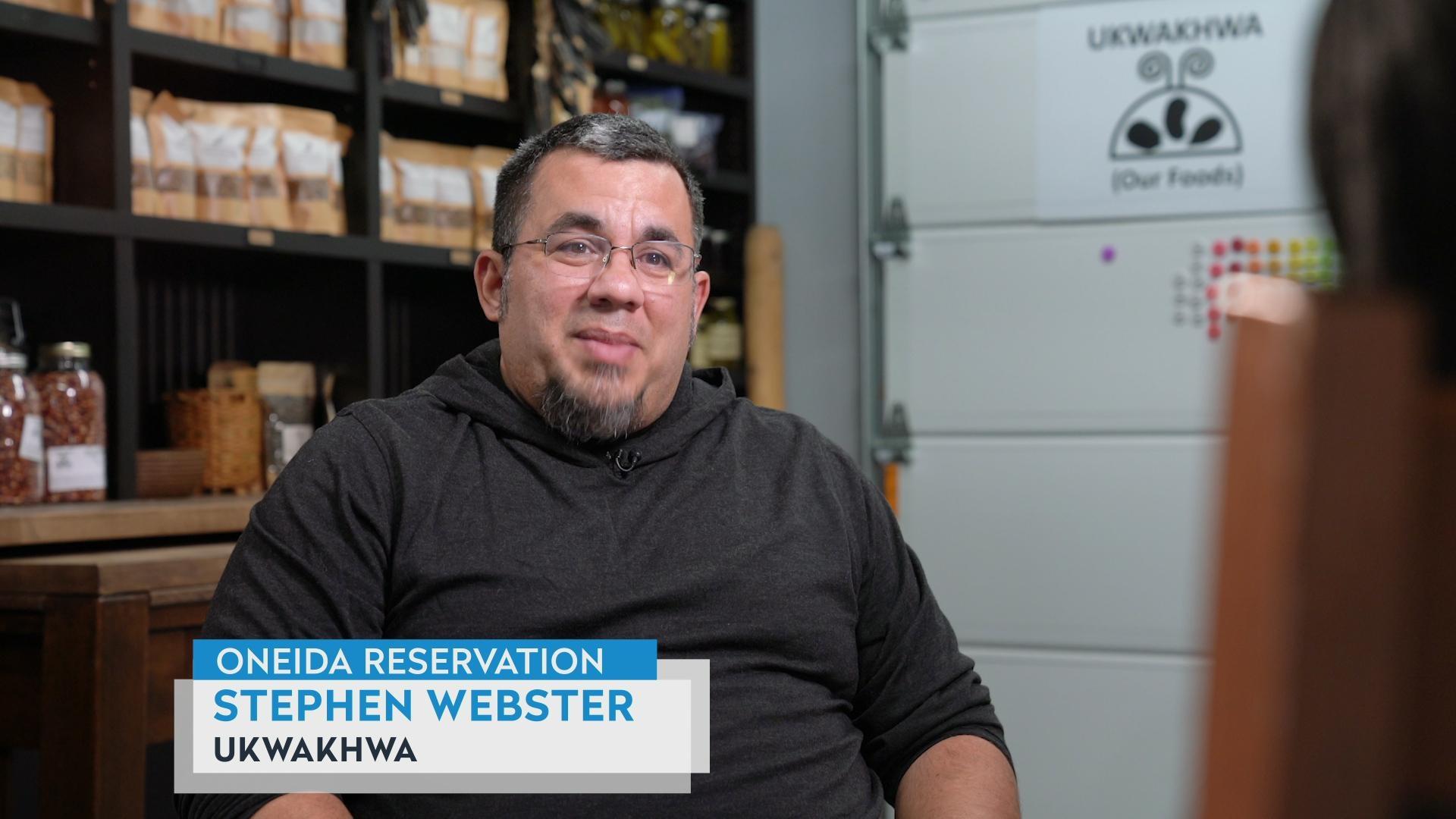
Ukwakhwa Director of Farm & Culinary Operations Stephen Webster describes how white corn grown by the project is used to prepare multiple Indigenous recipes and is distributed through a barter system.
By Erica Ayisi | Here & Now, ICT News
March 18, 2026


Stephen Webster on how white corn is used to prepare multiple Indigenous recipes.

VIDEO TRANSCRIPT
Stephen Webster:
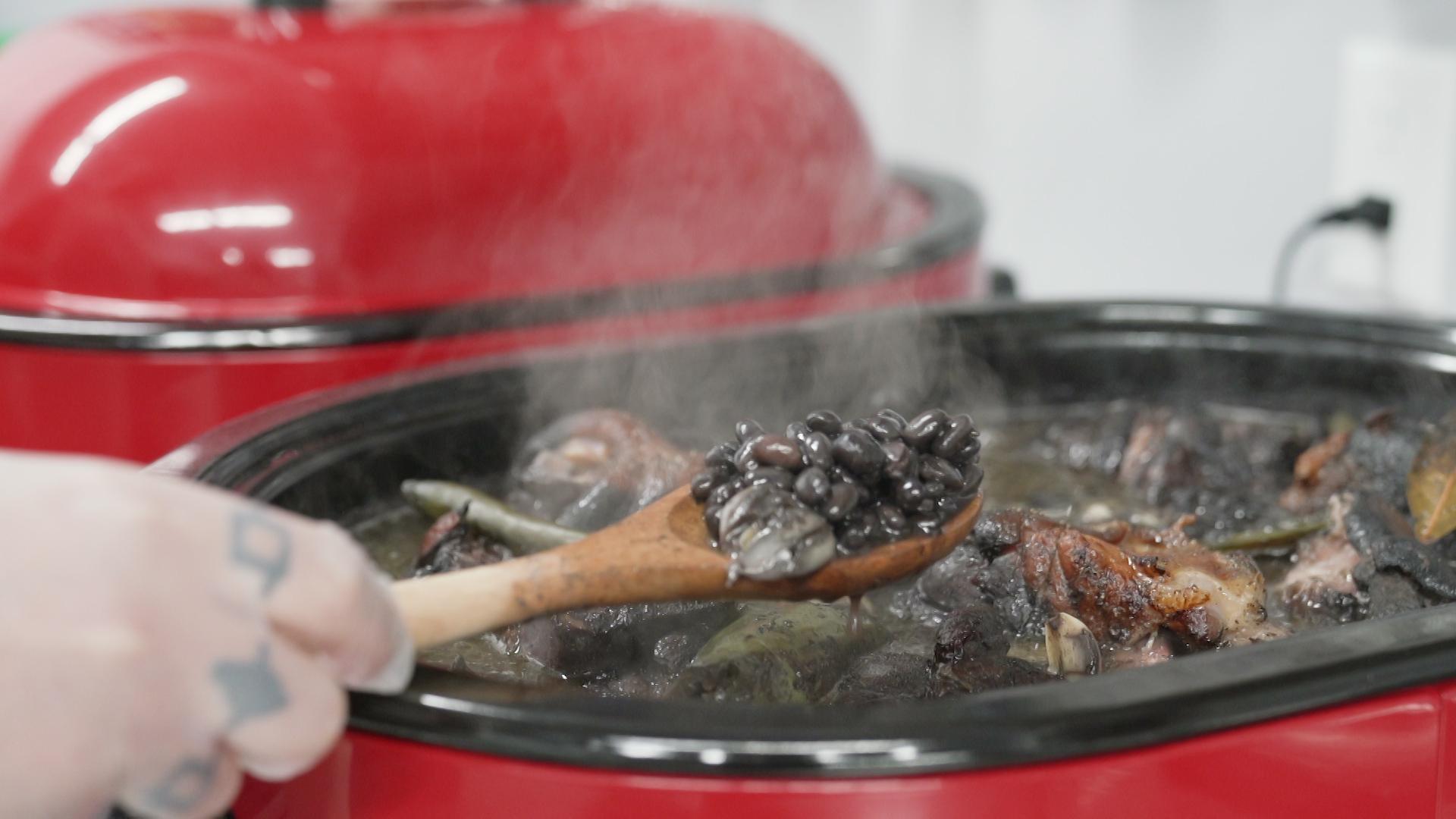
Right now, there are actually a huge variety of corns that we are growing, but white corn seems to be the main staple here on the Oneida res that a lot of people kind of just know and is accepted as, like, that's our traditional corn. But here on Ukwakhwa, we grow actually all kinds of different types of corn as well. When you talking about the different types — like flint, and there's flour, sweet corns and so forth — we had corns for different purposes, and we often traded and bartered and grew out for other people, and just had a variety of that stuff. For here, though, the white corn's main roles are kind of boiled down to three different things. There's a corn mush, which is pretty much like a ground up toasted corn that's very similar to grits. That's really what it is. It's often eaten as a breakfast staple. There is kanʌstóhale, which is Oneida word for cornbread, which is different than, like, say a regular cornbread you put into a oven. This is actually corn that's shaped into a loaf and it has cooked beans in it, and then it's boiled, so it's amazing, it's delicious. I actually cheat a little bit, and fry it up with a little butter and salt. And then there's corn soup, and that is pretty much the white corn, along with, typically, smoked pork hocks or turkey and beans.
Erica Ayisi:
So, if community members come here and say, "I like this corn. You know, I want to buy some" — tell us about that.
Stephen Webster:
Yeah, we have a pretty strange rule, a unique rule I guess you could call it — we don't really sell our corn. We only trade and barter for it, and there's a lot of reasons behind that. The very first one — there's a couple of things. One is accessibility, and so a lot of times, when our nation grows corn, they sell it for, like, $6, $8 at the shop. It's about a one-pound bag. It's really subsidized at that point, and can be really hard if you're somebody on your own who's doing that when you're paying for your own equipment and diesel and your hours and so forth. We wanted to have people get access to this stuff, and I thought one of the cooler ways to do that would be through trade and barter. It's a real challenge, and it's really, it's been a learning curve for the community. It's almost like a dance. It's really awkward and sometimes you got to hear no and so forth, but, like, the only way to get better at it is to keep doing it. So, people will come in, want to trade and barter, and they always want to buy from us. We're like, "Nope, we only trade and barter." First thing that comes out of their mouth is, like, "Well, I have nothing of value," and I'm like, "Nah, that's boarding school talk, come on." And so we ended up having a conversation, like, "What do you do? What are you good at? What do you like doing?." So, usually through those conversations you kind of coax out of them different things that they do bring to the table, and so what's nice is, like, it doesn't have to be something amazing, like, "Can you make me really nice pair of moccasins or, you know, a really cool ribbon skirt for my wife?" It can be like, "Hey, if you could bring over chili and sandwiches, we will hook you up with some corn. We're busy giving her here on this farm and sometimes we don't have time to cook." We've traded for things like singing lessons. I'm a '80s kid, so I traded for an old He-Man castle one time that somebody had. There's haircuts. Work on the farm — a lot of times, it helps just to have an extra set of hands if you want to come help, and you've got a wedding coming up and you need 20 pounds of corn, absolutely, we'll work something out.
This report is in collaboration with our partners at ICT.
Video Interviews
More Indigenous


Our Partners




PBS Wisconsin is a service of the Wisconsin Educational Communications Board and the University of Wisconsin-Madison. © 2026 All Rights Reserved.
Follow Us