



Politics

Bradley Carl on Wisconsin rural school district referendums

UW-Madison Wisconsin Center for Education Research scientist Bradley Carl explains the basis for school districts holding referendums and the choices faced by voters being asked to raise local taxes.

By Steven Potter | Here & Now

June 10, 2026

FacebookRedditGoogle ClassroomEmail

Bradley Carl on school districts holding referendums and choices faced by voters.
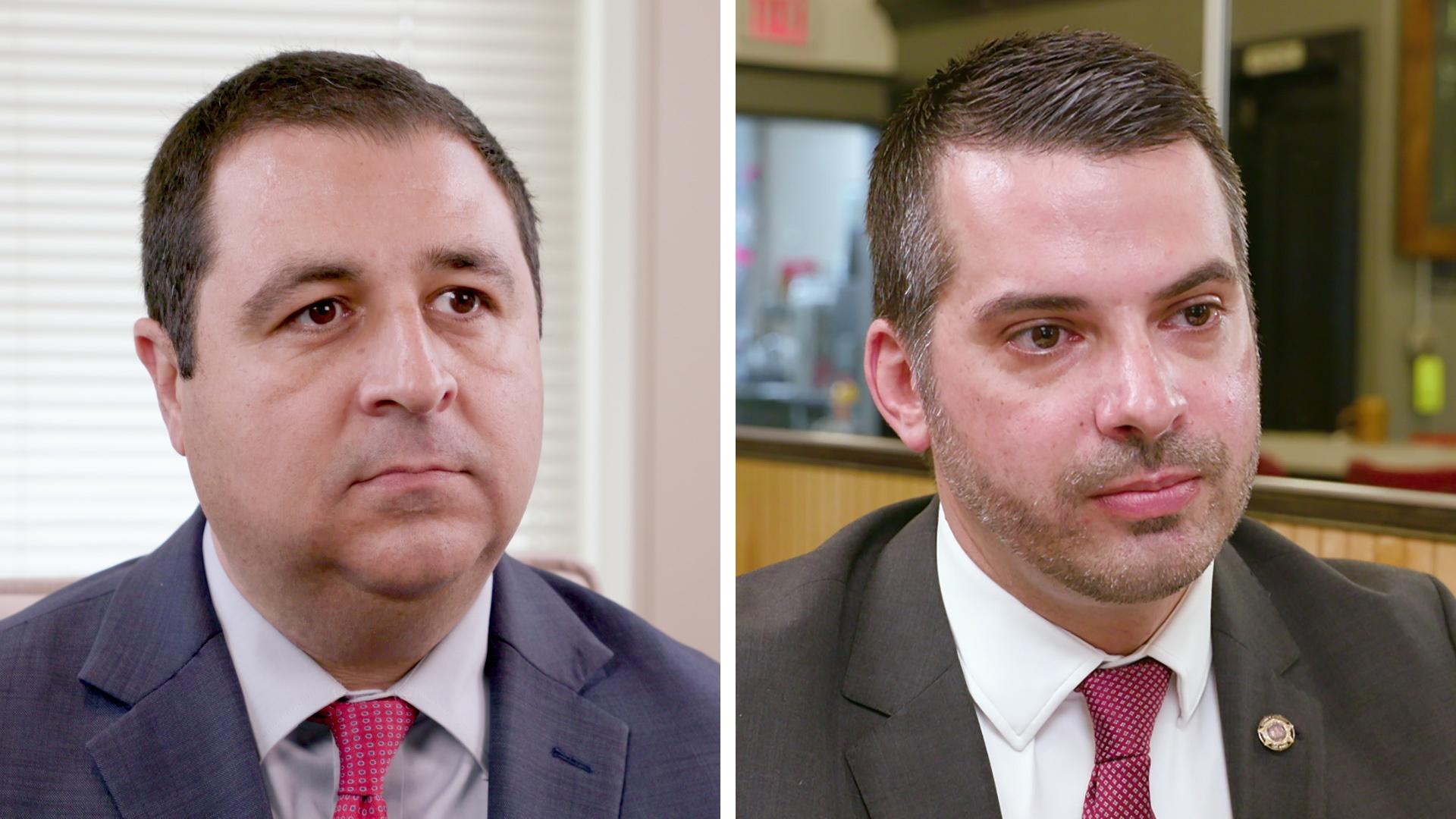

Bradley Carl:
What we see — what do districts go to referendum for? They do this, they ask taxpayers for additional support when they can't meet their costs for doing business. They can be either operating revenue, which is just the cost of doing business from year to year, and/or they can ask for what are called capital referenda, which is to build a new school or to renovate, put a new roof on, that kind of thing. We see more districts going to referendum, including more rural districts. The passage rates are still above 50%, but they've gone down over time. So, what does this signal to us? It signals that people's budgets are strapped and they're increasingly having to decide between cost of, you know, meeting their own cost and paying for supporting the local school. So when districts, a number of rural districts have had referenda that have not passed — eventually, you know, they'll typically, they'll try again. Maybe they'll reduce the ask of the taxpayers. Some districts have not passed a referendum, and then they face some very difficult choices. They can consolidate with another district. If you happen to be in a rural district that has another district close by, maybe that's no big deal. In other areas where the next district is a long ways away, you have much more difficult choices. You could say, well, again, we need to close the district, but that'll mean kids are going to be on a bus for an hour and a half each day, going to and from school. So again, it's just a very difficult set of decisions that can lead to consolidation and closure.

Video Interviews