

 Passport






Botanist helps lake communities understand aquatic plants
11/14/24 | 4m s | Rating: NR
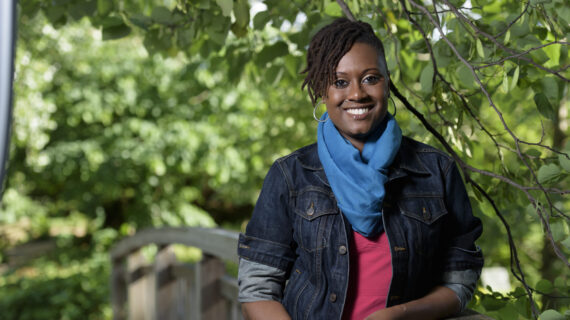
One woman's aquatic plant research is making a splash with lake groups across Wisconsin. Through Aquatic Plant and Habitat Services, Sara Hatleli surveys bottom-dwelling plants, combing for diversity and other indicators of lake health. Her work transforms how residents view their lake ecosystems, from seeing weeds to recognizing vital habitats.


Funding for Wisconsin Life is provided by the Wooden Nickel Fund, Mary and Lowell Peterson, A.C.V. and Mary Elston Family, Leon Price & Lily Postel, Stanley J. Cottrill Fund, UW Health, donors to the Focus Fund for Wisconsin Programs, and Friends of PBS Wisconsin.
Related Stories from PBS Wisconsin's Blog





Donate to sign up. Activate and sign in to Passport. It's that easy to help PBS Wisconsin serve your community through media that educates, inspires, and entertains.
Need some help? Go to FAQ or visit PBS Passport Help
Need help accessing PBS Wisconsin anywhere?

Visit our Live TV Access Guide
Online Access | Platform & Device Access | Cable or Satellite Access | Over-The-Air Access
Visit Access Guide
Online Access | Platform & Device Access | Cable or Satellite Access | Over-The-Air Access
Visit Access Guide
Need help accessing PBS Wisconsin anywhere?
Visit Our
Live TV Access Guide
Online AccessPlatform & Device Access
Cable or Satellite Access
Over-The-Air Access
Visit Access Guide




Follow Us