Sen. Jodi Habush Sinykin on a Bill to Regulate Data Centers
11/14/25 | 5m 15s | Rating: TV-G
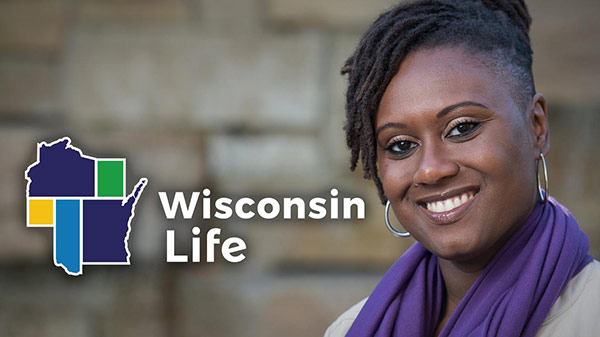
State Sen. Jodi Habush Sinykin, D-Whitefish Bay, discusses a bill that would regulate energy use, water use and labor practices of data centers with dozens of facilities in the works across Wisconsin.
Copy and Paste the Following Code to Embed this Video:
Sen. Jodi Habush Sinykin on a Bill to Regulate Data Centers
Frederica Freyberg: With more than 45 data centers in Wisconsin and more planned and announced in what feels like every day, local communities already grapple with zoning issues and public pushback. But now comes a state legislative bill to regulate the centers built by tech giants like Microsoft and Meta to process artificial intelligence data. Democratic state Senator Jodi Habush Sinykin of Whitefish Bay is author of the bill. And Senator, thanks very much for being here.
Jodi Habush Sinykin Thank you. I appreciate the invitation.
Frederica Freyberg: Why does Wisconsin need a law regulating these data centers?
Jodi Habush Sinykin: Wisconsin currently has no laws on the book, books that provide any regulatory oversight with regard to transparency, accountability for water usage, for energy rates, for those community impacts that people are very concerned about. So this legislation is intended to provide that overarching regulatory framework to fill that current vacuum.
Frederica Freyberg: How much does the proliferation of these centers feel like the wild, wild West?
Jodi Habush Sinykin: A lot, very much so. As I have been hearing from my constituents and others around the state, there is this recognition that in the absence of information, there — it creates worry and distrust and uncertainty about the impacts, not just on themselves and their families and communities, but for our futures.
Frederica Freyberg: How does your bill protect utility ratepayers or consumers?
Jodi Habush Sinykin: It’s a great question because we really wanted to focus on that in terms of the transparency and accountability again. Utilities rates are already too high in Wisconsin, and with winter coming on, it’s very much front and center on people’s minds, especially in these uncertain economic times. So what this bill does is it establishes a very large customer class, which these big data and data centers would fall into, and that class would be responsible for the extremely high energy production needs that they call upon, not individuals or families separate from them.
Frederica Freyberg: How does it track water usage and to what end?
Jodi Habush Sinykin: That’s also a question that people have and a very legitimate concern. People are very curious about how much water will be used, particularly from the Great Lakes, is what I hear a lot of. And again, this bill is very focused on accountability and transparency, which is very much part of Wisconsin’s values. And rather than allowing the water use to be hidden with some of these non-disclosure agreements with utilities and the like, it requires the disclosure of how much water will be used and in what fashion.
Frederica Freyberg: In the face of a state law addressing data centers, how important in your mind is local control?
Jodi Habush Sinykin: Local control is where it all begins. People don’t always understand that. So I’m really glad you asked about that. The idea of where these data centers will be placed and how the developments proceed happen at the local level by local city officials and governments. For the state legislators like myself, I feel we need to show up at the table from the state level to provide some kind of uniformity and a regulatory framework, again, that helps hold these big data centers and big tech accountable to Wisconsin.
Frederica Freyberg: What kind of bipartisan support do you have for this regulatory bill?
Jodi Habush Sinykin: Well, we just introduced it last week, but I’m, again, glad that you asked this, because I am very much hoping for bipartisan support for this bill. Myself, I’m a Democrat, but my Republican colleagues are hearing from the same constituents with the same concerns about property value impacts, water usage – as we’ve already discussed – energy rates, climate change concerns with regard for hopes for renewable energy, all of that. But because the legislature is very much still controlled by the Republican in both the Senate — Republicans, in both the Senate and the Assembly, we need them to lean into this, an interest in providing a regulatory framework for our state, because they decide where the bill will be assigned to what committee, and whether or not there will be a hearing held. And I really want to underscore the importance of a hearing because that’s when the public comes in and shares their thoughts, their concerns, their asks. And that’s how bills across the board become better. That’s the iterative process that is so important here. But we need Republicans to contribute to that important next step.
Frederica Freyberg: All right. Well, we leave it there. Senator Habush Sinykin, thank you so much.


 Passport













Follow Us