







PBS Wisconsin Passport
Watch this video with
PBS Wisconsin Passport
Become a member of PBS Wisconsin, support your local community, and get extended access to PBS shows, films, and specials, like this one.
Croatia -- The Adriatic Influence
04/07/18 | 26m 49s | Rating: TV-G
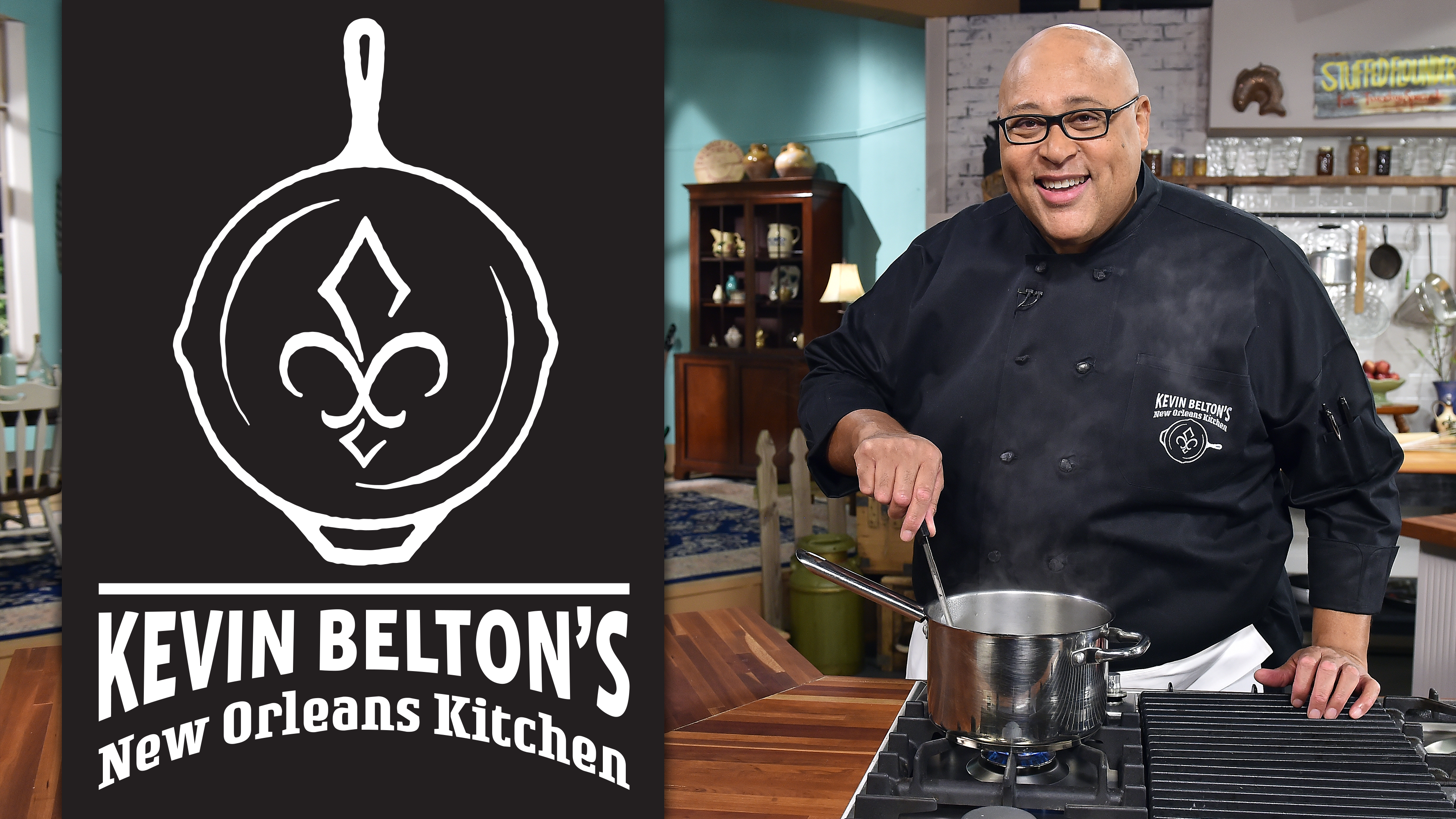
Delve into the diversity of New Orleans flavor with Chef Kevin Belton. During this episode Chef cooks up oven-baked oysters, pan-fried trout with anchovy jalapeno gravy and shrimp with smoked grit cakes.


Copy and Paste the Following Code to Embed this Video:
Croatia -- The Adriatic Influence
-Funding for "Kevin Belton's New Orleans Kitchen" was provided in part by the L.E. Phillips Family Foundation, Inc. and by the St. Tammany Parish Tourist Commission. Located 40 minutes from New Orleans, the Northshore's Tammany Taste features the chefs and farmers, brewers and bakers of St. Tammany Parish's culinary scene. Learn more at louisiananorthshore.com. -Additional funding was provided by Welbilt -- bringing innovation to the table. -Hi. I'm Kevin Belton. Today, in my New Orleans kitchen, folks come from all around the world and end up here in our city, so, today, we're going to do some Croatian-inspired dishes. We're going to start with oven-roasted oysters. We're going to do a panfried trout with anchovy jalapeo gravy and finish it off with shrimp and smoked grit cakes. So guess what? Time to have some wonderful seafood.
Smooches
Zing! Whip! Whip! Whip! Sloop!
Lion snarls
Ding!
Gong sounds
Bonjour, cher! Welcome to my New Orleans kitchen. You know, it's another fantastic day here in New Orleans. We're going to start with Creole oven-baked oysters. You know, I tell you, oh! My feet are wet from going, getting seafood. I just love seafood. We eat so much seafood down here, and I can't wait to get this together because this is something -- If you've ever come to New Orleans, you've probably eaten this. So, in our food processor, let's get a little breadcrumbs, a little bit of Creole mustard. Let's get that mustard down in there. You know, Creole mustard, if you're not familiar with it, is ground mustard seeds. We'll get in a little chopped parsley. Now a little butter. Butter is going to bring all of this together. Basically, this is going to go on top of our oysters. Now, often, you don't think about cheese and seafood, but for this dish, without a doubt. Parmesan cheese. We're going to get in a little bit of our Creole seasoning, about a tablespoon. Just a pinch of black pepper. All right. So, let's also get in a pinch of salt. We've got in about 2 tablespoons of our Creole seasoning. We've got 1/2 cup of butter down in there, and now let's just let this work its magic to blend all of this together to put on the top of our oysters. So I always like to start things off by pulsing it, and then this can just run on low. That's all we need. All right. Be careful. Take out your blade. Let's set that there. Let's take our bowl and just set it down, because we want to get this nice and close to our oysters. Now, we only need to put about 1 teaspoon of this mixture right on top of the oysters. You know, one of the things about oysters -- They don't take long to cook. If you've ever cooked oysters, right on the sides of the oysters, see, right in there -- I don't know if you can see that, right there. It has that little flap. And when these edges curl, that means they've cooked enough. That's one of the worst things folks can do with seafood, is overcook this. Now, a lot of times, folks will put this in a broiler. But, you know, I've had so many friends, when they put it in the broiler, that will actually burn it. Go ahead. Take the time and just put this in the oven, because it works out just so great. Croatia is an area, and that whole region were nothing but fisherman. And they came to New Orleans, and that's where we get some of these wonderful oyster dishes from. My grandmother told my mom that she was having some friends come over from their church, and so everybody showed up. We were having dinner, and then, unexpectedly, someone else showed up. So of course, being a good host here in the city, you never run out of food. Here, my dad stuck down the alley to go up a few blocks away to get some more oysters, and then he comes back home, and all of a sudden, a few minutes later, here comes someone else, shows up, and I see my dad's head going down the alley again, because, of course, everybody shows up saying, "Oh, no. We don't want anything to eat. We've eaten already." But that's all right. That's what it's all about here in New Orleans, is sharing that table and having a good time. One other thing that has to go on this to give it a wonderful flavor, a little pinch of bacon. You know I like my bacon. Now, our bacon has already been cooked, but this just adds another little layer of flavor on top. A little bacon or a lot of bacon, it's totally up to you. And if you notice, I have our oysters sitting on a little rock salt. That way, the shells stay stable. They don't tip over as we bake them. So we're going to put them in the oven at 450 degrees. This is going to be in the oven only for about 10 minutes for them to cook and get nice and juicy. Even though our bacon was cooked, we just wanted to go ahead and finish off that bacon on the top, because now it gets nice and crunchy. So now all we have to do -- Let's put a lemon wedge here. Let's put one there. We'll pop another one there if it comes out, and this is what we have. Look. Our oysters are nice and plump. One other way to tell when an oyster gets overcooked -- It shrinks, and it dries up. But you can see our oysters are still nice and plump, because our filling hasn't settled down. That means those oysters are standing up. They are wonderful. They are ready to eat. Here we have our oven-baked oysters. Coming up next, panfried trout with anchovy jalapeo gravy. Here in New Orleans, there is nothing like fresh seafood. You know, there was a restaurant I used to go to. Oh, I loved it so much because everything was so fresh. And here I have some fresh speckled trout. Speckled trout comes out of Lake Pontchartrain, the Gulf of Mexico. Now, I'm going to take a little bit of our Creole seasoning. You know, we have such wonderful fishermen in this area. And, you know, we have all of our restaurants. They use such wonderful, fresh seafood. This particular dish, I used to eat it all the time. It was so fresh, and I wanted to do my version of that wonderful dish that I had remembered having so often. So, here, I have a little Italian bread crumb. We've seasoned the fish, and I have a little egg wash, just a little egg and water. All right? Just make sure that gets dipped in. And now we're going to dredge it. Just a little bit of coating. Just shake off the excess breadcrumbs. And we're going to panfry this. My uncle Chet used to go fishing every week. Every weekend, he went fishing. So it was so wonderful because, every weekend, he would bring fish home. He'd bring some to his house. He would bring some to my mother. So it's just natural that we eat so much seafood here. We don't want a heavy batter on this, just something nice and light, because we're going to make a wonderful gravy to go on top of this. So now let's go ahead and get our fish starting to cook. In our pan, I've had it heating up, and we're going to put in a little butter. We just want to panfry our fish in some butter. Fish doesn't take long to cook. So let's just take our fish, lay it down. We're going to periodically come and check on it, but this is going to take 5 minutes, 6 minutes to cook. So now let's go ahead and make the wonderful gravy for this. So let's make a roux. Now, a roux, of course, is butter and flour or oil and flour. In this case, we're going to do a little oil. I have about 1/4 cup of oil, and we're going to put in about 1/4 cup of flour. Now, cooking flour as a roux, we want this to heat up, because this way, it doesn't take so long. So all-purpose flour, just about 1/4 cup, equal amounts, and you can see how this is already starting to sizzle, because I let the oil heat up. You're also going to notice how this will blend together nice and smooth. We're going to cook this roux to a dark, dark peanut butter color. That way, it gives us a nice, toasted taste. At the same time, it's going to give a little body to our gravy. Ooh. You know what? I think it's time that we turn our fish. Now, one of the things we never want to do is leave our roux for long. So I'm going to just scooch over. Yeah. I said scooch. We're going to scooch over for just a second and get our fish turned. Okay. Behave in here. Let's take the fish and start with the one that started cooking first. Turn that one first. And you can see how they're browning off. And I tell you what, the smell of fresh fish cooking, this is a smell that brings back so many memories as a kid. I sometimes never knew what Mom was cooking until dinner was ready. And then when I got older, I got to learn that, "Ooh. That's the smell of fish cooking." So let's turn this down because we've turned our fish, and now we just want the bottom side to cook. Here, as you can see in our panfry, our roux, our roux now has started to change color. What is causing this to change color -- We are cooking the flour. That's why this is changing colors. The longer we go, the darker it gets, the more toasted taste it has, and that's what we want for this. I'm going to put just a little sprinkle of our Creole seasoning in this, just a little touch. I'm not going to put any salt in because we're actually going to use some anchovy in this. So let's put in a little bit of our stock......so we have a little moisture in here. Oh. Let's turn our fire down. And now will go in sliced garlic. Garlic gives off such a wonderful flavor, and especially when it's sliced. It gives off a delicate flavor when you slice it. I've taken a jalapeo, and I've diced it, de-seeded it. This is going to give us a little bit of a bite. And for that saltiness, I've just mashed up some anchovies. So let's get these anchovies in, and this is where our saltiness is going to come from. So now we can go in with the rest of our stock. And this just has to simmer. And our fish -- Oh, I think our fish is ready. Actually, this is ready. This is one of those dishes where it doesn't take that long to cook, and we just want these flavors to blend together really good. Don't you think this kind of looks like the Mississippi River, all right, that rich depth of color to it? Oh, look at this. All right. Let's turn off our fish. Let's smooth this out. And, of course, we have to give a little bit of a taste to see if we need to adjust it with any seasoning. Wow. That is absolutely -- Oh, man. That is so good. Now let's get ready to plate this. We put this nice bread crumb batter on it. Well, we're going to put a gravy on here, so this is what we're going to do, because, often, folks will take something that's really crispy, and now what's happens is you put sauce on the top, and it just totally loses that crunch. So we're going to take a little bit of our gravy and actually put it on our plate. Put a little bit of your gravy on your plate. Now we can take our fish. Lay the fish right in the middle of that gravy. Come on. Come out of there. If you want, just take a tiny bit right over the top, because that was the whole point of cooking it, was so we had that little crunch on the outside of it. To finish this off, just a little sprinkle of parsley. So, here we have one of my favorite New Orleans dishes, panfried trout with that wonderful gravy. Coming up next, shrimp with pecan wood-smoked grit cakes. Grits are something that my dad cooked every week. You know, many of you have cream of wheat. This is a stone-ground grit, which basically means it's corn. Now, in the grocery store, you may see stone-ground grits, but you also may see quick-cook grits. Either one, that's fine. So, in our pot, I have some chicken stock. We're going to put in about 1 cup of cream, because this just makes this cook nice and rich, and it gives them such a wonderful flavor. Also in here, we're going to do a little bit of butter. Come on. Hop in there. Yes. So, this is hot. Let's get our grits in, and this is something that you have to stir. My dad would make a pot of grits, and then he would eat on it all week long, and there were some different things that he did to it. So one of the things that he did to it, I want to show you. So while our grits are slowly cooking, to this, while it's here, let's put in a little bit of Creole seasoning. We're also going to get a little garlic powder and a little onion powder, about 1 teaspoon of each. Let's just stir that. Periodically, we have to stir this so it doesn't stick. And now I'll show you some other things that we're adding to this, but I have some that's already done. Here I've taken our grits. Once they cooked, I actually smoked them. But don't worry. You're not going to miss that. I'll show you how to do it. I put them in a buttered baking dish, put them in the refrigerator, and, as you can see, it comes out in a nice, little, firm square. So we're going to go ahead and panfry this. This is something that my dad often did, because you don't have to make grits every day. He could make it for a week and have this. So, we're going to take a little bit of our seasoning. We'll put a little bit in our seasoned breadcrumbs. We'll put a little bit in our flour. The other thing we're going to put in, a little touch of salt, because, remember, this is not seasoned. I also have a little garlic powder that I'm going to put into our breadcrumbs. So now let's just stir this together. So something my dad would do-- He would take, cut it. So now we have a nice square. But he would cut it and make triangles out of it. So now, dry, wet, dry. So we go into our seasoned flour, and you see, once this refrigerates, you see how this holds together, okay? We'll go into a little egg and water, and we'll put this into our breadcrumbs. Let's do one more piece while we're here. And for those of you that don't have grits, you may have heard of polenta. You know, polenta is a little different texture. It's a similar texture, but it's a little different. So, into the dry. And you notice I have one hand dry, one hand wet, and typically, when you fry things, you want to dry, wet, dry. Now these are battered. I have our oil heating up, but you know what? I have to go over here and stir the grits. We don't want them to stick. That's one of the things about grits. You have to stir often. So let's turn this fire down real low. See, that's starting to thicken up for us. So by the time we fry our grit cakes, this will be ready. Here, we have battered, and we're ready to go. Shake off the excess and just basically place it right in. You don't want to drop it straight in there, but just take your fingers and release it. These really don't take that long to cook. I've got the oil nice and hot. Look at this first one we put in. It's already browned off, and basically, we're just heating this up on the inside. Look how quick. Let's turn this fire off. What I want to do now is I want to take this out, and I want to just drain this. Now, you can make these in advance, and you notice I have a sheet pan here with just some paper towels on it. So if you're making this for breakfast, you could get this done ahead of time. Oh. So while this is cooking a little more, let's fry up a couple more grit cakes. Always cook to your taste. So here we have some darker. We have some lighter, because the shrimp sauce we're going to put on top of this is going to work out just fine. Whether you like it really dark or whether you like it really light, it's going to work out fine, because it's all about flavor. Now, as you notice, our grits are starting to get thick. Let's turn this off, okay? Into our grits, we're going to add some cheese. Here we've got 1 cup of sharp cheddar. We have 1 cup of Monterey Jack. And we're going to get in a little splash of hot sauce. Now, as we stir this, this will melt. You can always taste this to adjust your seasoning. But what's going to make this totally different, all right, totally, totally, completely different, is the fact that we're going to smoke our grits. Some people have a stove-top smoker, but here, I like little gadgets, okay? We're going to cover our grits. But I'm not going to cover them tight just yet, because here I have a little smoke gun. Basically, if you turn that on, we just want to get this wood starting to smoke. Look at that fan blowing that smoke out of there. That's why smoke guns are really wonderful. Now we're just going to cover this, and we're going to smoke our grits. It doesn't look different, but now they have that rich, smoky flavor. Now, for our sauce that's going to go on top of the shrimp, I've fried off some bacon and have a little bit of oil left from that bacon in the pan. We're going to go in with some shallots. You know, shallots are a nice, mild onion. We're going to put in a little red bell pepper. Of course, a little bit of our Creole seasoning. And I'm putting a little extra seasoning in because of the fact that we're going to put a little cream into this. Now just about 1 teaspoon of fresh thyme. We're going to save some partially for garnish, but I want to put in a little parsley now. 1/4 cup heavy cream. And we're going to get in some creamed corn. All of this just makes a nice, smooth flavor. These flavors are going to blend together. You know, seafood and cream, it is so nice. So now the star of the show for this particular dish, our shrimp. So we can go ahead, turn this up. So now our shrimp. I've taken our shrimp, and I've peeled them. As soon as our shrimp cook, this will be ready to serve. Hey, I just want to turn our shrimp, because, like I said, they don't take very long to cook. So let's just try to turn them. Flip over, baby. Flip over. And you see they're getting a nice, rich, deep pink color. That's what we want. That's what we're looking for. So now to plate this, let's do this. Let's use one of each. We have a darker one. We'll take a lighter one. And you know what? We can put them side-by-side, like this. We're going to take some of this wonderful sauce with our shrimp and put it right on top, right on top of those grits. Grab a little extra sauce, put that on the top. We're going to finish this off, little touch of bacon. Yeah, baby. And we're going to do a little bit of parsley. So here we have our wonderful smoked grit cake with that wonderful cream-shrimp sauce on the top. You know, thank you so much for spending your time with me in my kitchen. I'm Kevin Belton. Remember, the absolute best place in the house is sharing your table with your family and friends. So I'll see you next time. -The companion cookbook to "Kevin Belton's New Orleans Kitchen" is available for $24.99, plus $6 shipping and handling. You can also order an hour-long DVD of favorite dishes from the series for $19.95, plus $4 shipping and handling. Both the book and favorites DVD are available for $40.95, plus $7 shipping and handling. To order these items, call 1-866-360-4924 or order online at wyes.org. -Hi. I'm Kevin Belton, and today on "New Orleans Cooking with Kevin Belton" -- That's last year! That was not this year! That was last year! This is a whole different year. The reason why Kelsi's floor director 'cause she's small. Look how little she is. -Can you even see me? -There we go! See? She can move quicker than everybody else. So here we're going to start with a little butter. Magic, hyah! Ye-e-e-e-ah! Now, if that would have come out, that'd have been -- We'd have all been in trouble. Quack, quack. Quack? Quack, quack, quack, quack, quack. Quack, quack, quack, quack, quack. Quack. Quack, quack, quack, quack. I'm not going back. I'm not starting back. I'm gonna start right here. I'm not going back. It is not my fault. I was perfection, but no. -For more information about "Kevin Belton's New Orleans Kitchen," visit wyes.org. -Funding for "Kevin Belton's New Orleans Kitchen" was provided in part by the L.E. Phillips Family Foundation, Inc. and by the St. Tammany Parish Tourist Commission. A short drive from New Orleans, the Northshore offers epicurean experiences, as well as kayaking, cycling, and tours of the Honey Island Swamp. Learn more about the Tammany Taste at lousinananorthshore.com. -Additional funding was provided by Welbilt -- bringing innovation to the table.
Search Episodes

Donate to sign up. Activate and sign in to Passport. It's that easy to help PBS Wisconsin serve your community through media that educates, inspires, and entertains.
Make your membership gift today
Only for new users: Activate Passport using your code or email address
Already a member?
Look up my account
Need some help? Go to FAQ or visit PBS Passport Help
Need help accessing PBS Wisconsin anywhere?

Online Access | Platform & Device Access | Cable or Satellite Access | Over-The-Air Access
Visit Access Guide
Need help accessing PBS Wisconsin anywhere?
Visit Our
Live TV Access Guide
Online AccessPlatform & Device Access
Cable or Satellite Access
Over-The-Air Access
Visit Access Guide




Follow Us