
 Passport





From Cuba to Wisconsin: One man’s journey animated
In 1980, Ernesto Rodriguez risked everything to leave Cuba, crossing open waters on a fishing boat as part of the Mariel Boatlift.
02/23/26



In 1980, Ernesto Rodriguez risked everything to leave Cuba, crossing open waters on a fishing boat as part of the Mariel Boatlift.
02/23/26
In 1980, Ernesto Rodriguez risked everything to leave Cuba, crossing open waters on a fishing boat as part of the Mariel Boatlift. His journey eventually led him to La Crosse, where he built a life in Wisconsin while holding onto his Cuban roots. After more than four decades of waiting, Rodriguez became a U.S. citizen in 2023.
His story, first shared on the WPR Reports: Uprooted podcast, has now been brought to life through animation by Wisconsin Life.
We spoke with animation director Amanda Roslansky to hear how historical research and creative decisions came together to animate Rodriguez’s journey.
PBS Wisconsin: What drew you to this story?
Amanda Roslansky: I grew up in the 1980s and 1990s and knew very little about what happened during the Mariel Boatlift. I was really engrossed in the WPR Reports: Uprooted podcast. [Former Wisconsin Life host and producer] Maureen McCollum and [University of Wisconsin-La Crosse associate professor of Global Cultures and Languages Omar [Granado] answered some of my questions and shared with me the documentary, Beyond the Sea, so I got to really understand what was happening. I knew I wanted to tell this story about having to flee your country and restart your life. Everyone’s American experience is different.
PBS Wisconsin: What did you learn about the 1980 Mariel Boatlift?
Roslansky: The Mariel Boatlift was traumatic because a lot of those people really did not want to flee Cuba but were forced to [leave]. A quarter of the exiles were from Cuba’s prisons, which contained political prisoners, people who identified as LGBTQ+, people considered ‘undesirable’ to [Fidel] Castro’s society, and people with minor offenses that were given long sentences because it was Castro’s Cuba. These were people that Castro viewed as unfit for his vision of Cuba, when they were just people trying to live within the place they called home. It was a really traumatic and very chaotic time
Learn more about the Mariel Boatlift at wpr.org.
View this post on Instagram
PBS Wisconsin: Could you tell us about your creative influences in this project?
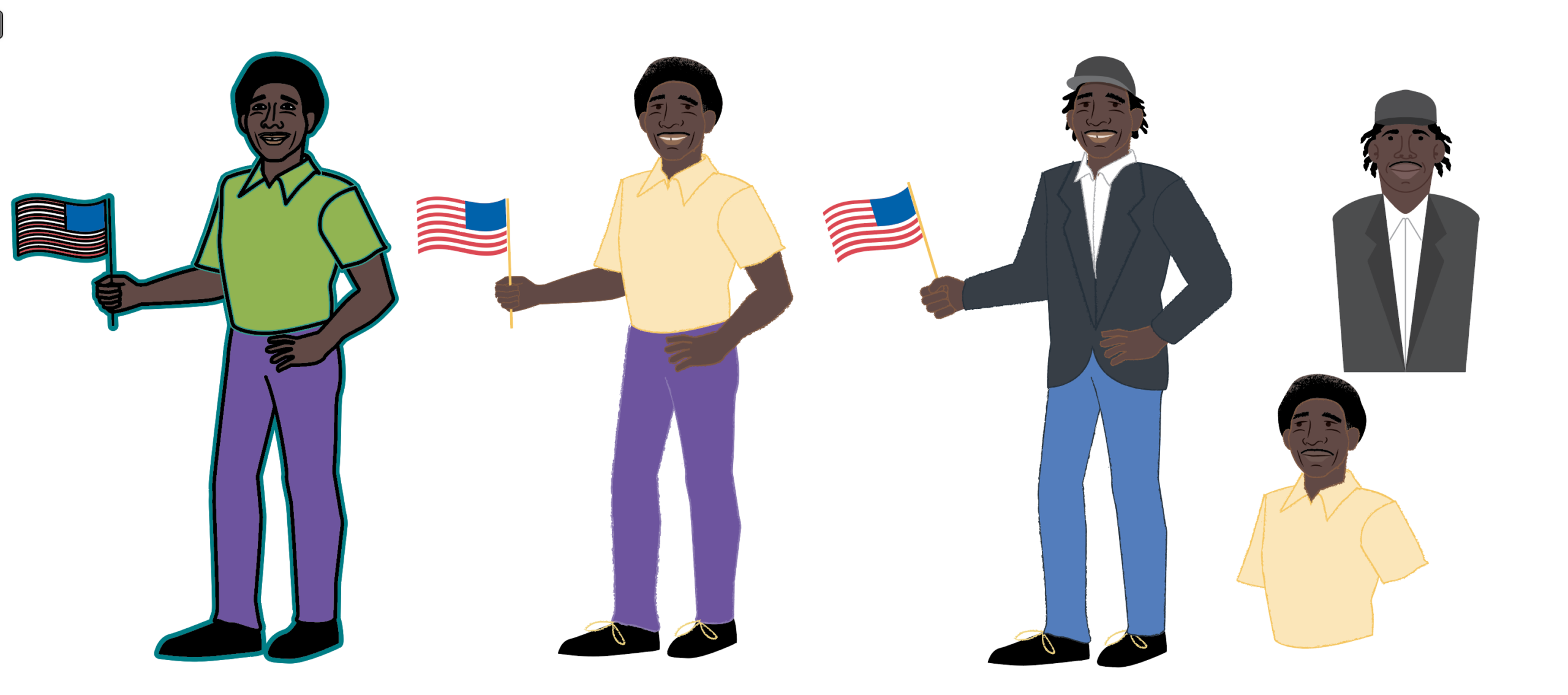
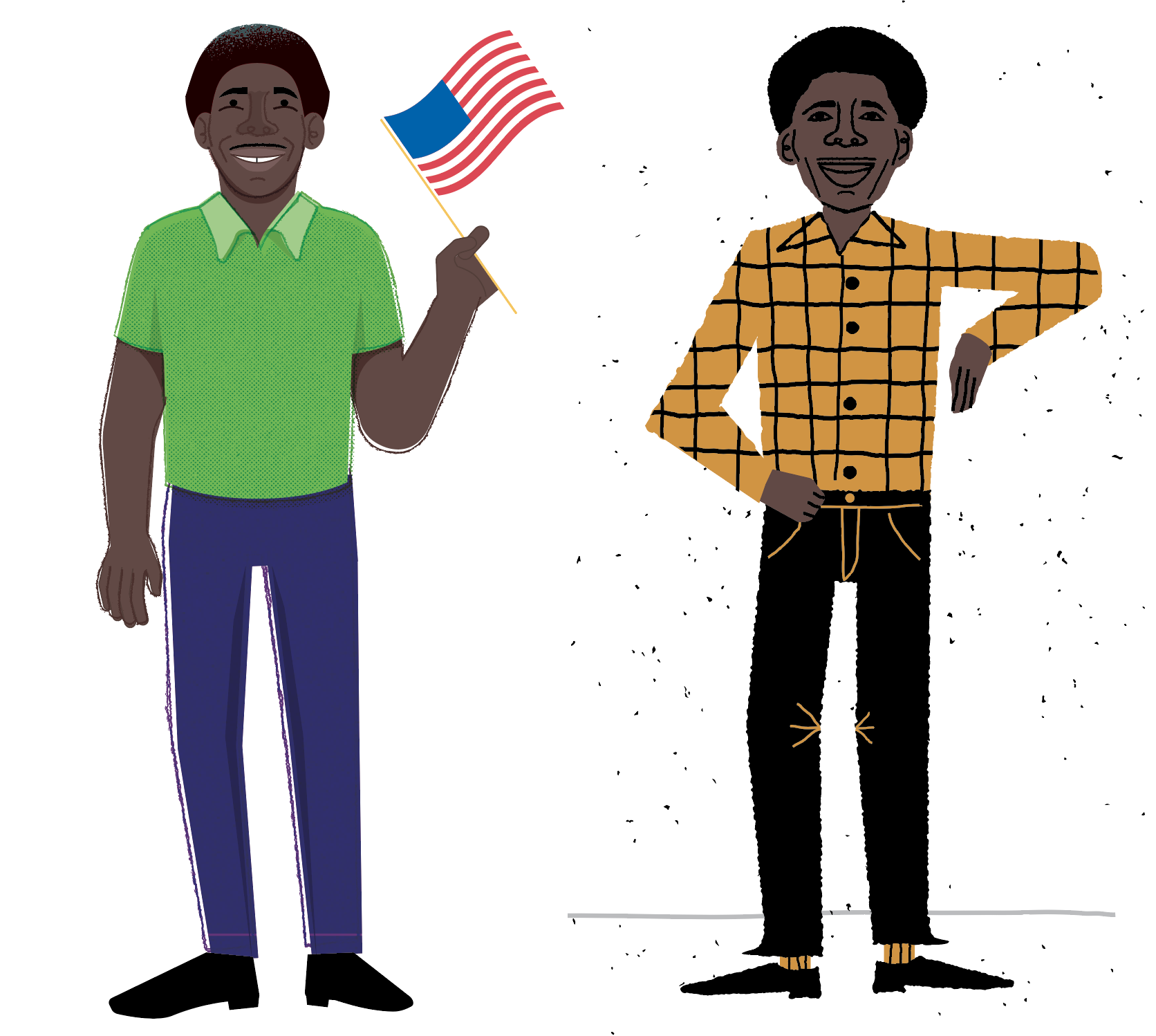
Roslansky: I started by looking into artists in Cuba around the time period of the 1970s and 1980s. I came across “Filminutos” and some of the poster art by Eduardo Muñoz Bachs. I knew I wanted a very minimalistic style for this animation. When my illustrator [John Thomas Nichols] was brought on board, he shared with me the graphic novel, “Worm: A Cuban American Odyssey” by Edel Rodriguez. And I just knew this was what we were looking for. Looking at these panels, I could just see how each could move for an animation. We also looked at the American Masters piece about Edel Rodriguez.
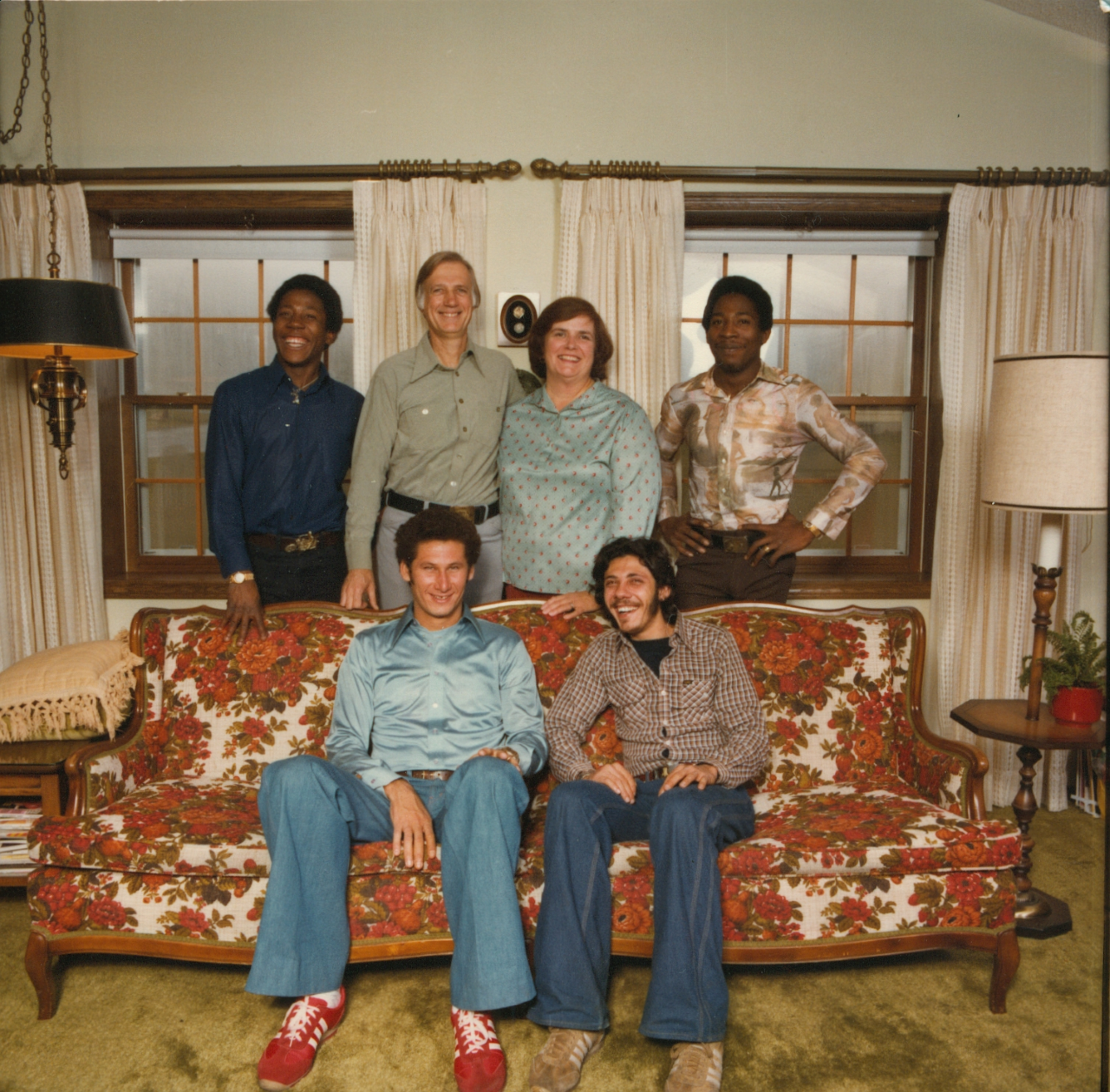
Photo courtesy of Brian Brandstetter.
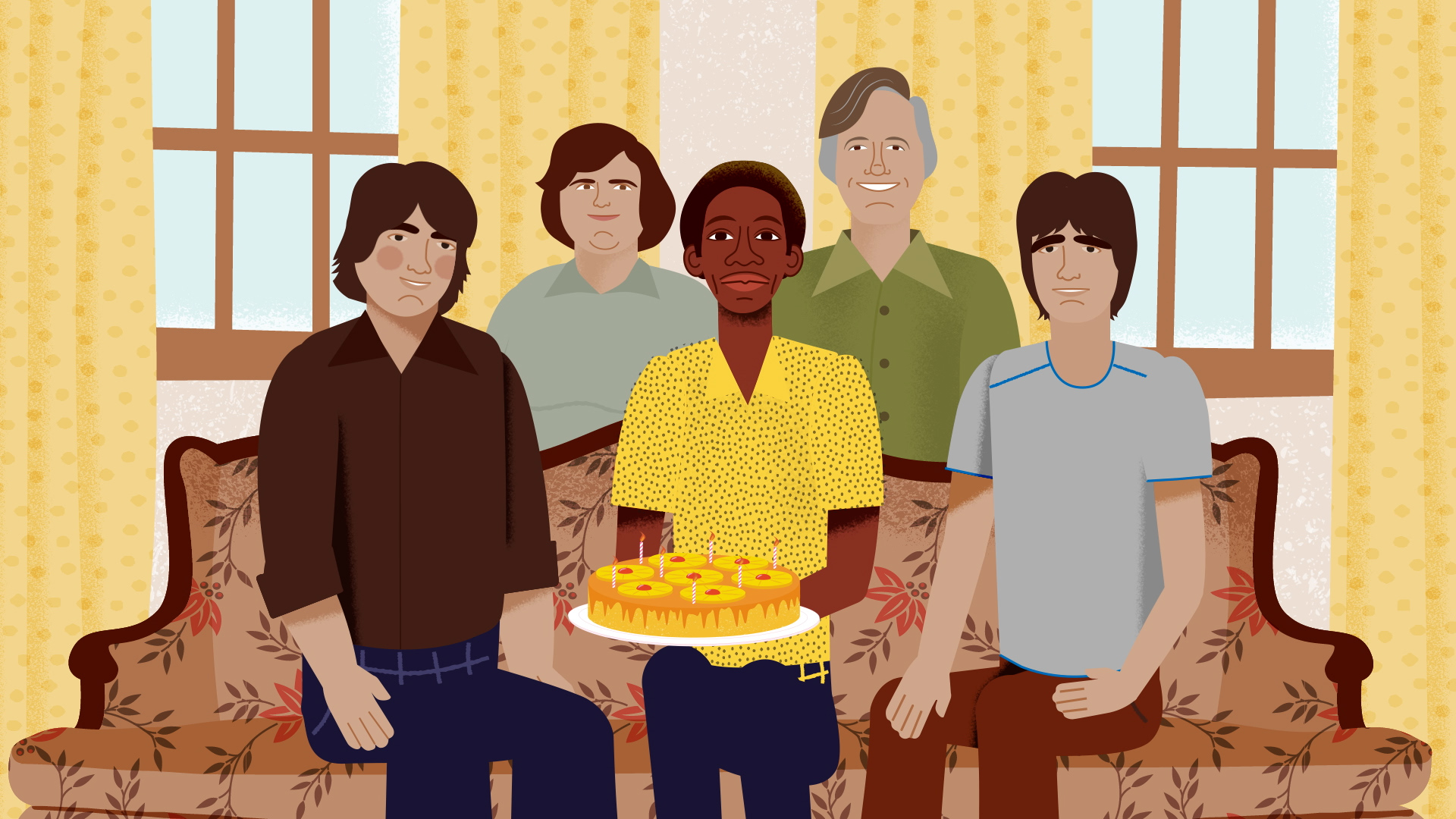
PBS Wisconsin: What decisions went into the framing and editing?
Roslansky: Each scene was designed to tell the story via visual cues. We looked at blocking techniques by Akira Kurosawa and Wes Anderson for inspiration. In the animation, the main character, Erne, is off to the side of people until we get to the middle of the story, where he is now in the center and surrounded by people.
PBS Wisconsin: What impact did color selection have on the animation?
Roslansky: Color played a big role. We selected a color range that would represent Cuba, and another to represent Wisconsin. At some points in the animation, those colors are mixed into a scene later on to help build around the identity of being a part of Cuba and Wisconsin.
We wanted to represent Cuba in the style and the artwork. I did a lot of research on Cuban artists around this time period, the different types of Cuban artists. Cuba is a very melting pot of a country. There is a hodgepodge of different people there. And each one of those cultures brings in a different style.
When I was trying to figure out how to represent Cuba, we went with bright colors. As I was looking through all of the Cuban artists, I noticed that a lot of them used a lot of bright colors, like oranges and pinks. We found a lot of artists that were very much minimalist with a comic book type of style, so piggybacked off of that, too.





PBS Wisconsin is a service of the Wisconsin Educational Communications Board and the University of Wisconsin-Madison. © 2026 All Rights Reserved.
What do you think?
I would love to get your thoughts, suggestions, and questions in the comments below. Thanks for sharing!
Mike DeVine