
 Passport





Empowering youth voices: Inside PBS Wisconsin Education’s ‘Field Notes’
In April, PBS Wisconsin Education will launch its new series, Field Notes on Climate, developed to connect learners in grades 6-12 to climate science and solutions.
03/23/26



In April, PBS Wisconsin Education will launch its new series, Field Notes on Climate, developed to connect learners in grades 6-12 to climate science and solutions.
03/23/26
In April, PBS Wisconsin Education will launch its new series, Field Notes on Climate, developed to connect learners in grades 6-12 to climate science and solutions.
In each episode, host Ami Eckard-Lee asks a question about climate change, leading her to meet experts and changemakers around the state. They explain the science around climate change impacts and share innovative solutions happening right here in Wisconsin.
A key element of the series is centering student voices. Youth perspectives are featured in every episode, not just as participants but as leaders and changemakers.
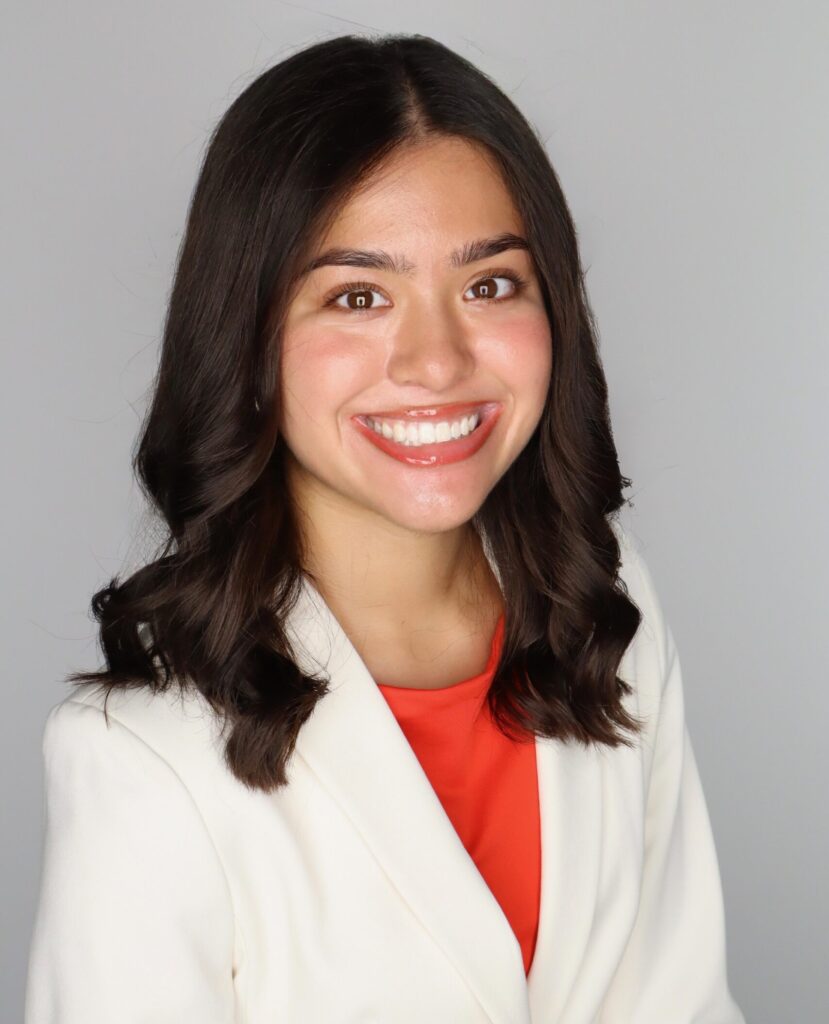
Khatri was a member of By Youth For Youth from 2023-2025 and a member of Youth Climate Action Fund from 2024-2025.
Reya Khatri is one of the young changemakers featured in an episode on youth action. She was member of By Youth For Youth (BYFY), a committee of Dane County high school students who identify needs around issues important to them and make investment decisions about youth-led projects developed to address those needs. She was also a member of Bloomberg Philanthropies’ Youth Climate Action Fund (YCAF), which provides technical assistance and funding to help young people around the world design, produce and govern climate solutions in their communities.
PBS Wisconsin Education recently spoke with Khatri to learn more about her involvement and what others can learn from her experience.
PBS Wisconsin Education: How did you become involved in BYFY and YCAF?
Khatri: My involvement with BYFY first began during my junior year of high school. As a passionate and advocacy-focused individual, I was looking for initiatives to get involved in where I could apply these values and be a part of a program making tangible change. Through collective research efforts and communication from the BYFY team, I was able to apply and be selected as a member of this incredible organization. After my first year in BYFY, I was extended the offer to apply for the YCAF, which I found very interesting as I enjoyed the more specific goal of the program in climate-focused initiatives.
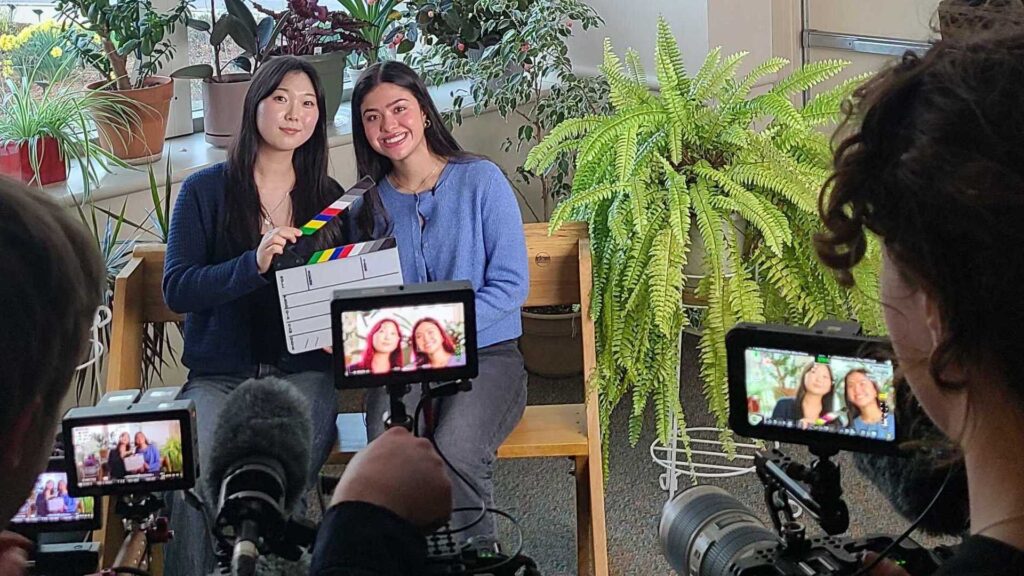
Khatri (right) with fellow By Youth For Youth member Esther Ko during a filming for Field Notes on Climate.
PBS Wisconsin Education: How has your work with BYFY and YCAF impacted your outlook or leadership style?
Khatri: My work within BYFY and YCAF has given me the opportunity to engage in team deliberations and see firsthand the time and efforts that go into developing programs and evaluating initiatives.
Connecting back to my leadership style and outlook, I would say that these experiences allowed me to adopt a growth-heavy mindset where I learned to enjoy the process and seek ways to make deliberations more efficient. Throughout this process, I learned how to delegate tasks and find the most effective way to divide up tasks when it came to developing and presenting our final proposals to the City of Madison and United Way of Dane County.
I would also reinforce the idea that change and being a part of change does not have to be a grand action. Simply spreading the word about a food drive or volunteering once a month at a local philanthropy still counts for getting involved and carries the same value as starting an initiative.
PBS Wisconsin Education: What have you learned about youth climate action through these organizations?
Khatri: Being a member of BYFY and YCAF allowed me to see the true impact that youth voices have in our community. Prior to this experience, I would have never imagined I would have the opportunity to be a part of an organization where youth get to evaluate and award grants to initiatives in their community. Yet, with the help of our incredible leadership team, we as students and youth in the community were able to help fund projects that will hopefully make a tangible difference and continue enriching our community. I see that as the real lesson and value gained.
PBS Wisconsin Education: Is there anything people get wrong about youth voice and youth-led causes or projects?
Khatri: I think the biggest stereotype or drawback people often think of when it comes to youth-led projects is that they are simply resume boosters or a short-term initiative.
My involvement in BYFY throughout the end of my high school career allowed me to see the consistency and passion many of these students had for their projects. The proposals I evaluated were more than words on paper; they all had a vision and youth-led passion to back it up.
I would also say that a lot of people might underestimate the time and effort youth put into actually implementing their projects. However, BYFY allowed students to develop budgets and a physical breakdown of implementation to aid with the real-world aspects of their projects.
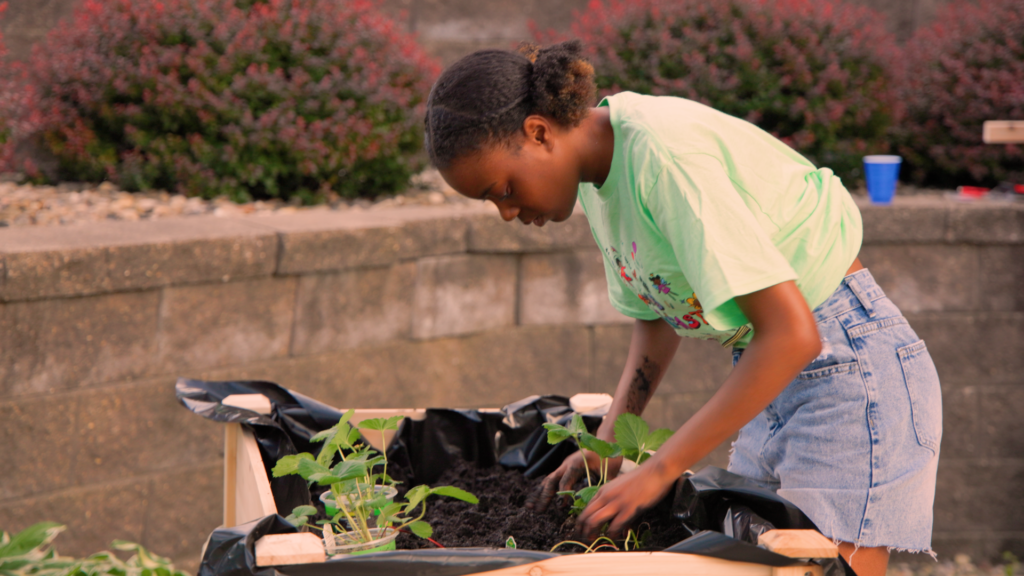
Freedom, Inc.’s Roots of Resilience urban gardening project was one of the projects funded by Youth Climate Action Fund.
PBS Wisconsin Education: There are many people, both youth and adults, who don’t feel they have a way to contribute to the causes they care about in their communities. What do you want them to know?
Khatri: To those who think they can’t make a difference or contribute to youth projects as an individual, I would tell them that all it takes is one person to spark a movement. The most important factor to consider when getting involved in initiatives and causes in your community is to ensure it is something you are truly passionate about and want to help make a difference in. Passion alone is enough to drive creative ideas and spark methods of implementation.
I would also reinforce the idea that change and being a part of change does not have to be a grand action. Simply spreading the word about a food drive or volunteering once a month at a local philanthropy still counts for getting involved and carries the same value as starting an initiative.
All episodes of Field Notes on Climate season 1 will be available April 22, 2026, on PBS Wisconsin Education. Catch a special broadcast premiere at 8 p.m. Monday, April 13, 2026, on PBS Wisconsin.
I would love to get your thoughts, suggestions, and questions in the comments below. Thanks for sharing!




PBS Wisconsin is a service of the Wisconsin Educational Communications Board and the University of Wisconsin-Madison. © 2026 All Rights Reserved.
Lola Salvador
This is a great concept and high time for youth to work together. This is youth time to learn and grow together. I am reading this from Nigeria and I will share with my students. TOSinitiative is an NGO in Lagos, Nigeria