
 Passport








Garden & Green Living Expo experts unearth keys to a fruitful vegetable garden
Could you use advice for harvesting, watering, preventing crop damage, managing weeds or coordinating successive planting strategies in your garden?



Could you use advice for harvesting, watering, preventing crop damage, managing weeds or coordinating successive planting strategies in your garden?
Could you use advice for harvesting, watering, preventing crop damage, managing weeds or coordinating successive planting strategies in your garden?
PBS Wisconsin’s Garden & Green Living Expo offers several seminars from experts in each of these areas to help you cultivate a thriving vegetable garden no matter your experience level.
PBS Wisconsin caught up with one of those experts, Bruce Spangenberg with the University of Wisconsin-Madison Division of Extension Horticulture, to discuss these topics. More educational resources and on-demand lectures can be unearthed year round at wigardenexpo.com.
PBS Wisconsin: How often should gardeners harvest their ripe vegetables?
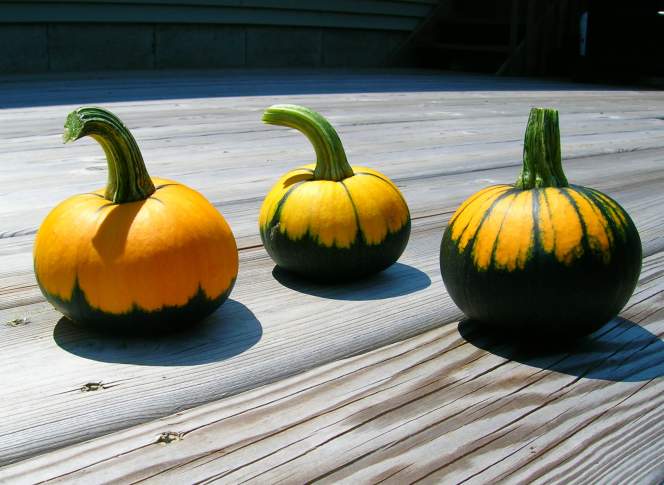
Bruce Spangenberg: It really depends on what crops are growing. You need to understand when a crop is ripe, especially when you’re growing a crop for the first time. If you had a typical vegetable garden with eight to 10 different crops, once you get into the middle part of July up until the first frost, ideally, you’d have something each week that’s ready to bring in to harvest.
Learn how to safely preserve your summer garden bounty.
PBS Wisconsin: How do gardeners know if they are providing enough water?
Spangenberg: Hydration is a key thing all summer. There is a balance between providing enough water and providing too much water. As you look at the soil itself, keep in mind that the surface may look dry, but be sure to check an inch or so down [into the soil]. A lot of times the surface dries out, but there’s still moisture underneath.
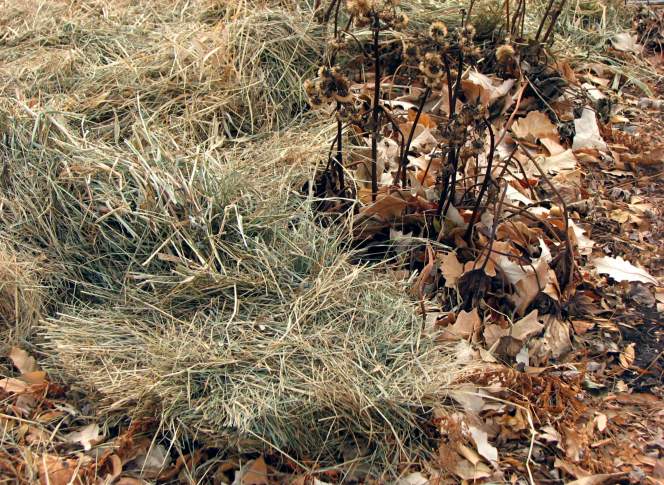
We strongly recommend mulching for gardens – not only to conserve water, but to control weeds. It takes a little experience with your soil to decide how fast it’s going to dry out when you need to water if it’s not been raining. And, obviously, look at your plants as well.
Learn about the impact of plant nutrients on healthy soil.
PBS Wisconsin: Rabbits, deer and insects are known to damage crops. What can be done to prevent that?
Spangenberg: Fencing is the most foolproof way to keep rabbits and deer out of gardens. A deer fence typically has bigger holes in it, so it keeps the deer out, but rabbits can sneak through. Chicken wire works really well to keep rabbits out.
If you know the deer pressure is high, the six-foot deer fencing you can buy is effective. I recommend putting it out at the start of the year rather than waiting until they show up. There are also repellents you can use and devices you can put out.
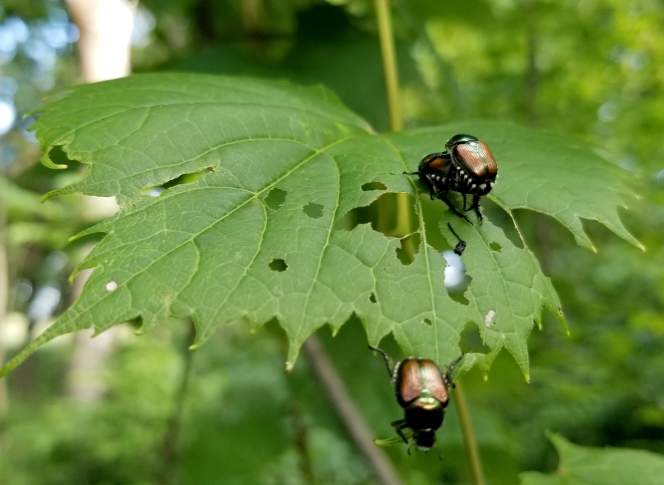
Insects are a little more difficult to deal with because you obviously can’t put a fence up to keep an insect out of your garden. There are a number of insecticides that are much more environmentally friendly, like insecticidal soap and bacterial insecticides. Always identify the insect before taking any management steps.
Learn about three non-native insects which threaten plants in Wisconsin.
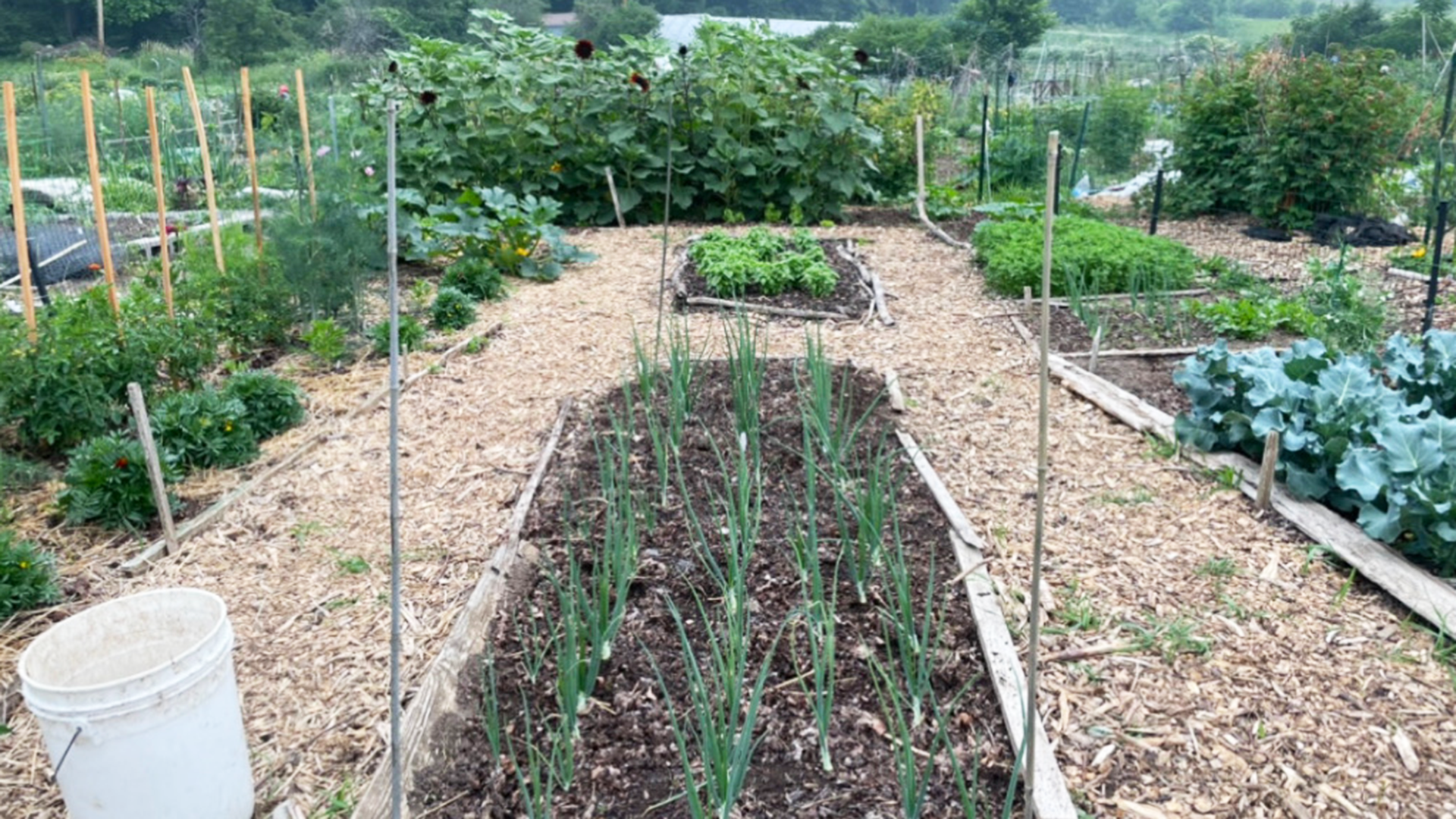
PBS Wisconsin: What kinds of vegetables are best for re-sowing and successive planting?
Spangenberg: There are a lot of crops you can plant from the beginning to mid-summer that will be ready for fall harvest. You can maximize the space you have by essentially getting a double crop off the same garden space. Crops like radishes and lettuce are very short in their development so you can grow a crop, harvest it and then plant another one. Crops like zucchini and cucumbers can be planted in early July for fall harvest.
Some people stagger their plantings. They’ll plant a row of radishes, plant a second row a week later and then plant a third row maybe two weeks later. You have a sequence of harvest mid-development and new seedlings coming up.
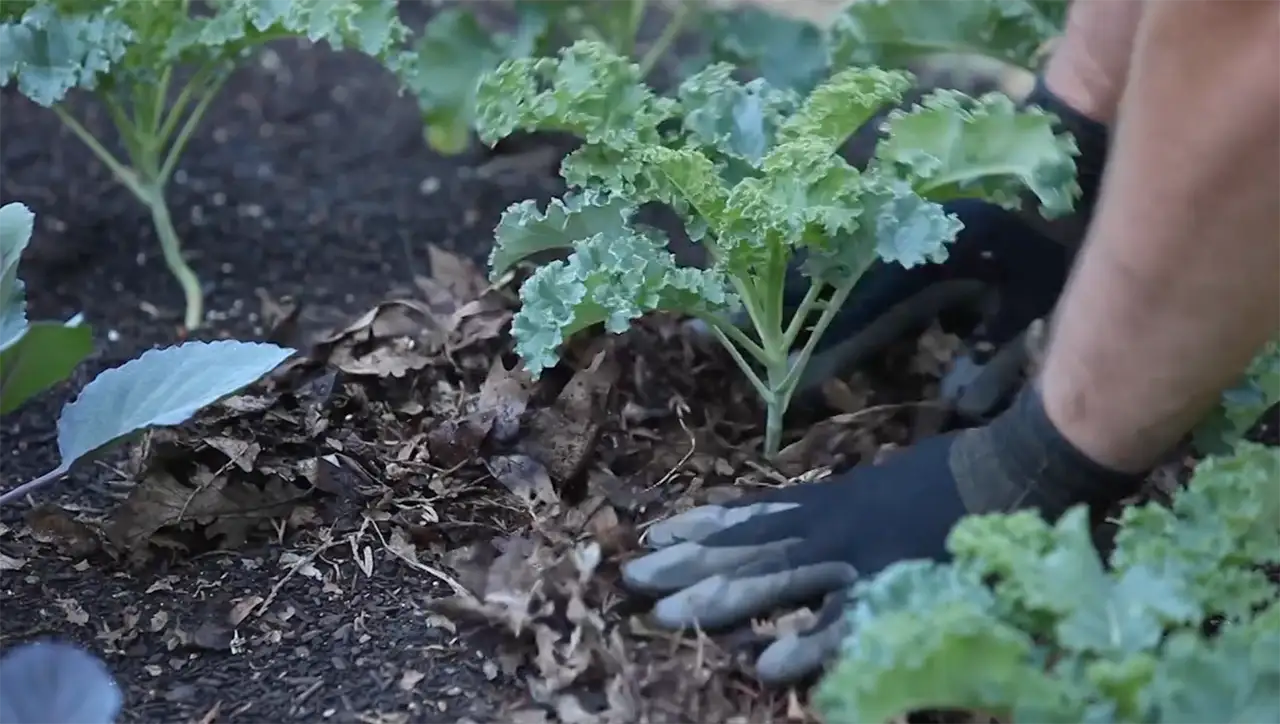
PBS Wisconsin: What measures can gardeners take to prevent weeds from overtaking their gardens?
Spangenberg: Weeds are inevitable. And a lot of times, the better your soil is, the more weeds you’re going to have. That’s just the nature of gardening. There are a few things to think about at the start of the season: prepare the soil, cultivate the soil, pick out the weeds and then pull out as many weeds as you can before you plant the crop.
Learn how to identify and prevent invasive plants from controlling your garden.
The Garden & Green Living Expo connects seasoned gardeners and environmental enthusiasts for a vibrant three-day celebration of gardening, landscaping, local food culture and ecological responsibility. Learn from experts and educators from around the Midwest, browse through the exhibitor mall, chat with experts, enter a floral design competition, explore the PBS KIDS Backyard family area and more.
PBS Wisconsin hosts Garden & Green Living Expo in partnership with the UW-Madison Division of Extension Horticulture Program. All proceeds support PBS Wisconsin’s quality programming, educational initiatives and events that serve to enrich Wisconsin communities.
Save the dates for the 2027 Garden & Green Living Expo: Feb. 12-14, 2027 in Madison, Wisconsin.




PBS Wisconsin is a service of the Wisconsin Educational Communications Board and the University of Wisconsin-Madison. © 2026 All Rights Reserved.
What do you think?
I would love to get your thoughts, suggestions, and questions in the comments below. Thanks for sharing!
Mike DeVine